3D Gallery
Timber: The Material of Every Era
Enter gallery
Timber: The Material of Every Era is a 3D virtual gallery on MyGallery3D, a walkable online exhibition of 15 works. Step inside and explore it in your browser: no app, no headset.
Walk into this 3D virtual gallery of timber, which runs in your browser, and start with the board that framed the modern world.
A two-by-four is not 2 by 4 inches. It once was, green and rough from the saw, but the standards kept shaving it: 4% off in 1928, another 4% in 1956, and in 1961 the finished size was fixed at 38 by 89 millimetres. When Popular Mechanics had the boards tested in 1964, that last cut had taken 10.46% of their compressive strength.
Wood was among the first materials worked by early humans, and microwear on Mousterian stone tools shows Neanderthals used them on it. Shaped sticks with notches from Kalambo Falls in southern Africa date to around 476,000 years ago. The Clacton spearhead is roughly 400,000 years old, and the Schöningen spears, which came with probable awls for domestic work, about 300,000.
Timber framing holds squared beams together with wooden pegs. German master carpenters would peg a joint with about 1 inch of slack, let the wood season and shrink, then cut the pegs and drive the beam home. The oldest known half-timbered building, the House of opus craticum, was buried at Herculaneum by Vesuvius in 79 AD. More than 4,000 cruck frame buildings have been recorded in the UK.
In 1593 Cornelis Corneliszoon, a windmill owner from Uitgeest, built the first wind-powered sawmill. It turned logs into planks thirty times faster than the manually operated sawmills before it. The appetite this fed was already visible: from 1420 the settlers Prince Henry the Navigator sent to Madeira cleared huge expanses of forest, milled the felled trees, and shipped them back to the mainland.
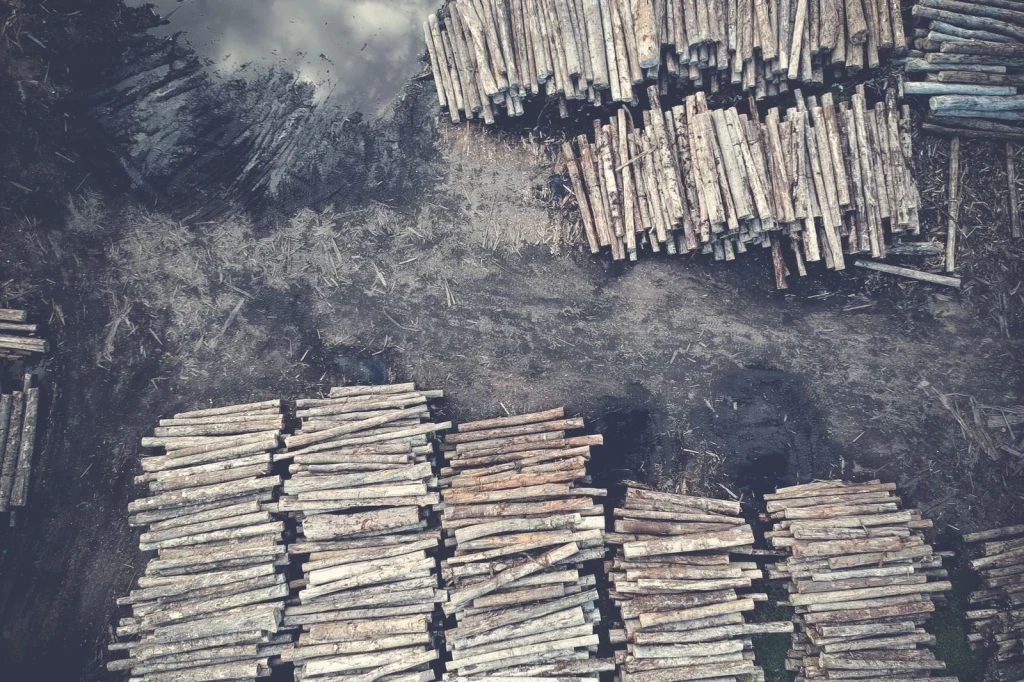
Seen from above, stacked logs and firewood form geometric patterns. The perspective emphasizes how humans organize and process timber at scale.
Photograph by Pok Rie, via Pexels.
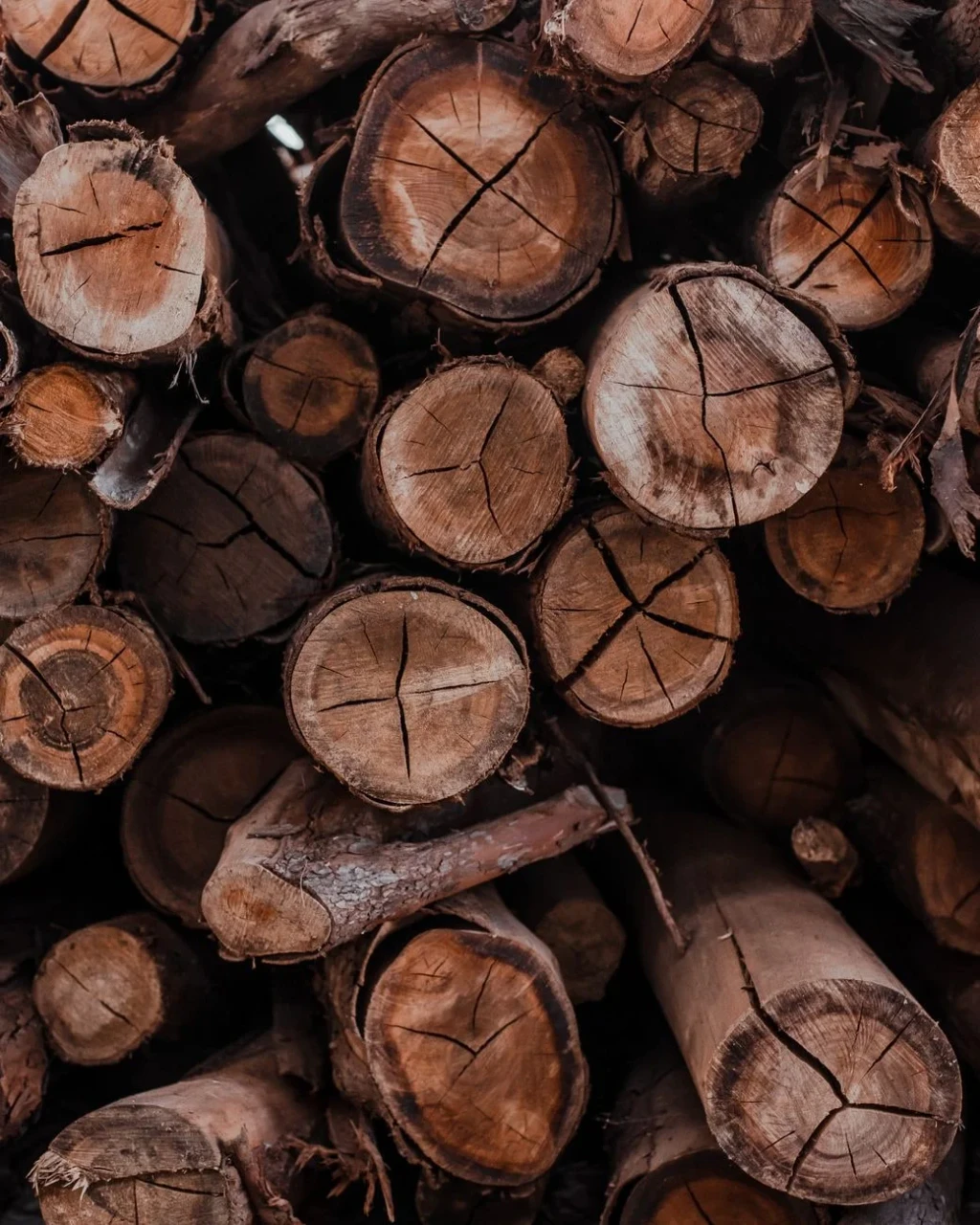
Close study of stacked firewood exposes the natural grain and surface of wood. Each ring and crack tells of the tree's life before becoming material.
Photograph by Vinicius Garcia, via Pexels.
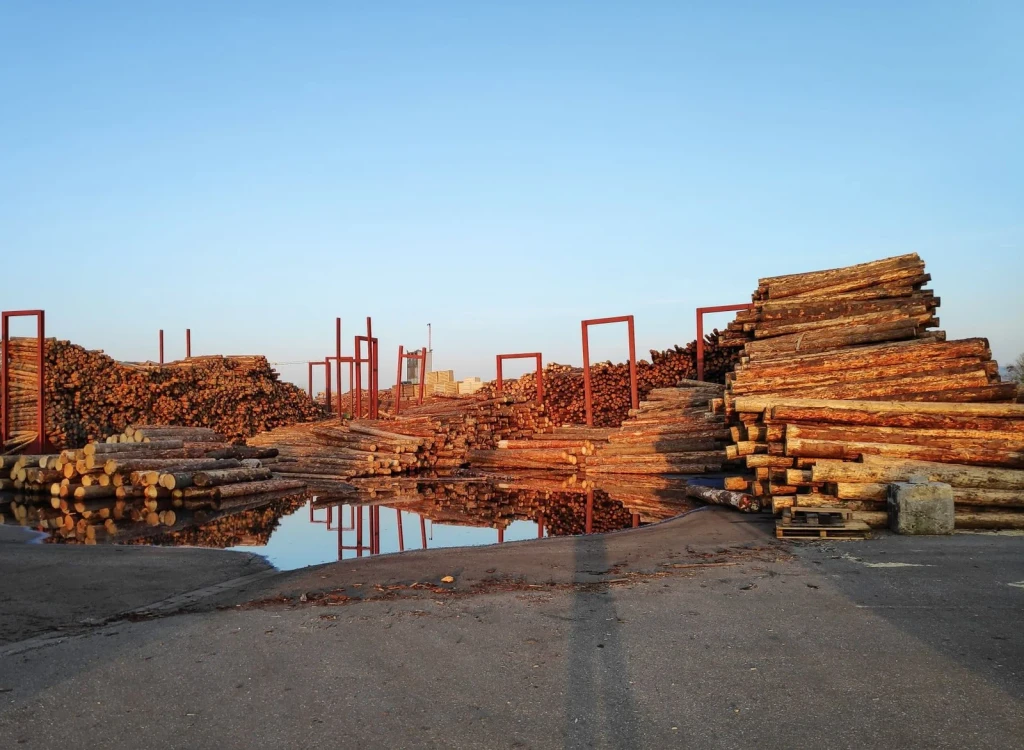
Cut logs stacked in an industrial setting demonstrate timber's role as a processed material. Scale and order mark wood's transition from forest to commodity.
Photograph by sunny green, Germany, via Pexels.
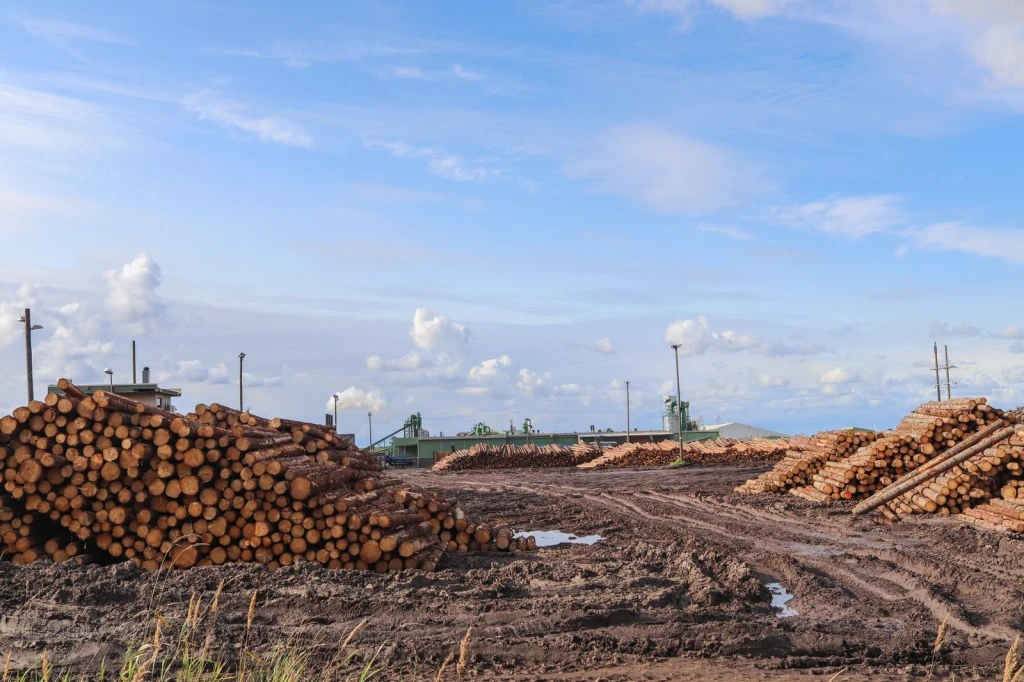
Piled logs await their next purpose. The simple arrangement reveals timber as a working material, fundamental to construction and industry across time.
Photograph by Vincent Delsuc, via Pexels.
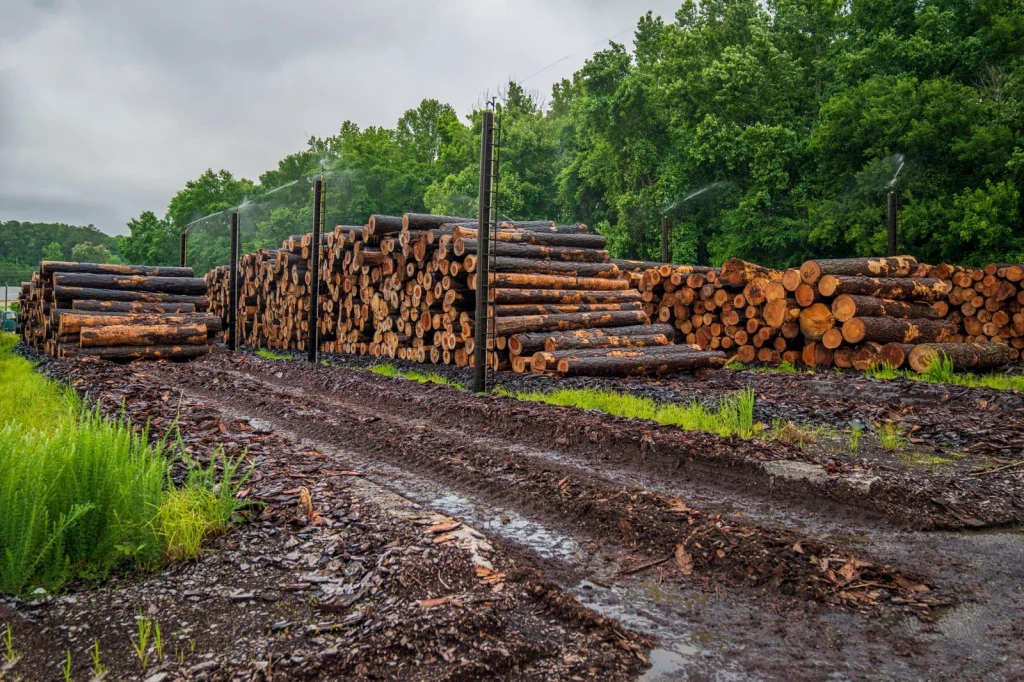
Large stacks of timber logs occupy an outdoor space beneath cloudy skies. The photograph captures timber in its intermediate state, between forest and use.
Photograph by Mark Stebnicki, via Pexels.
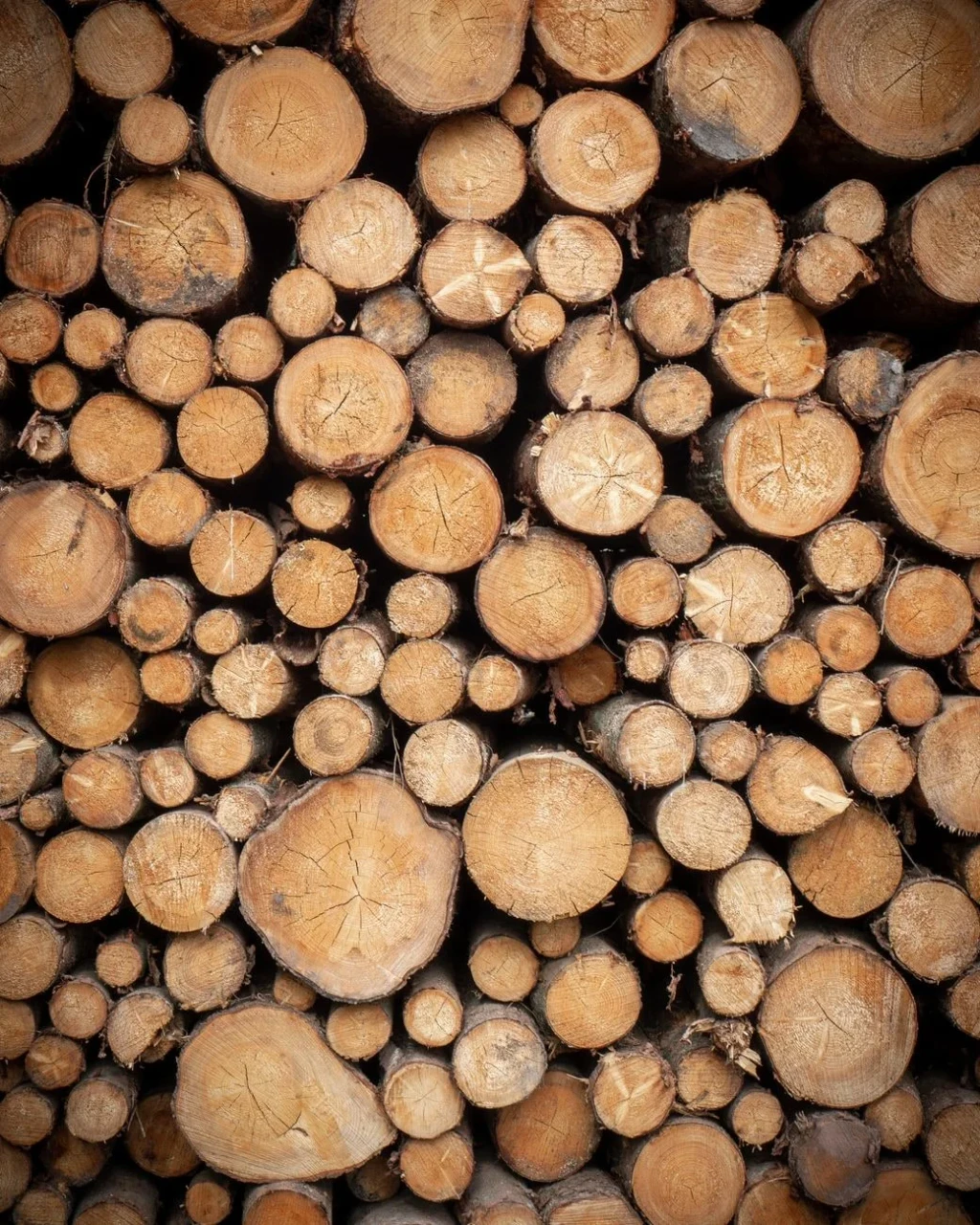
Neatly piled tree logs reveal the texture and grain patterns inherent to wood. This close view shows timber as a material defined by its organic surface.
Photograph by Justus Menke, via Pexels.
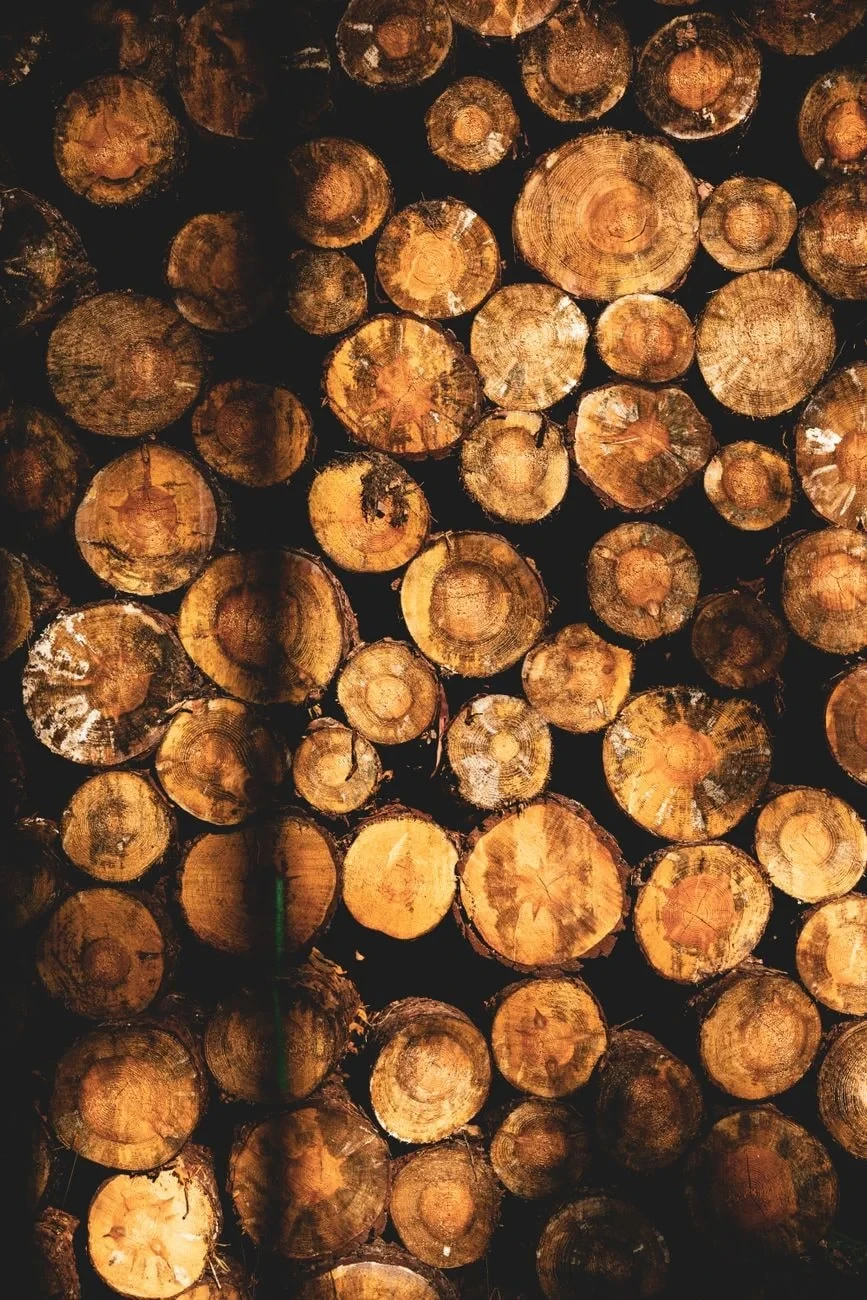
Neatly stacked logs reveal the intricate markings within each piece of wood. These patterns are evidence of timber's life as a living tree.
Photograph by János Csatlós, via Pexels.
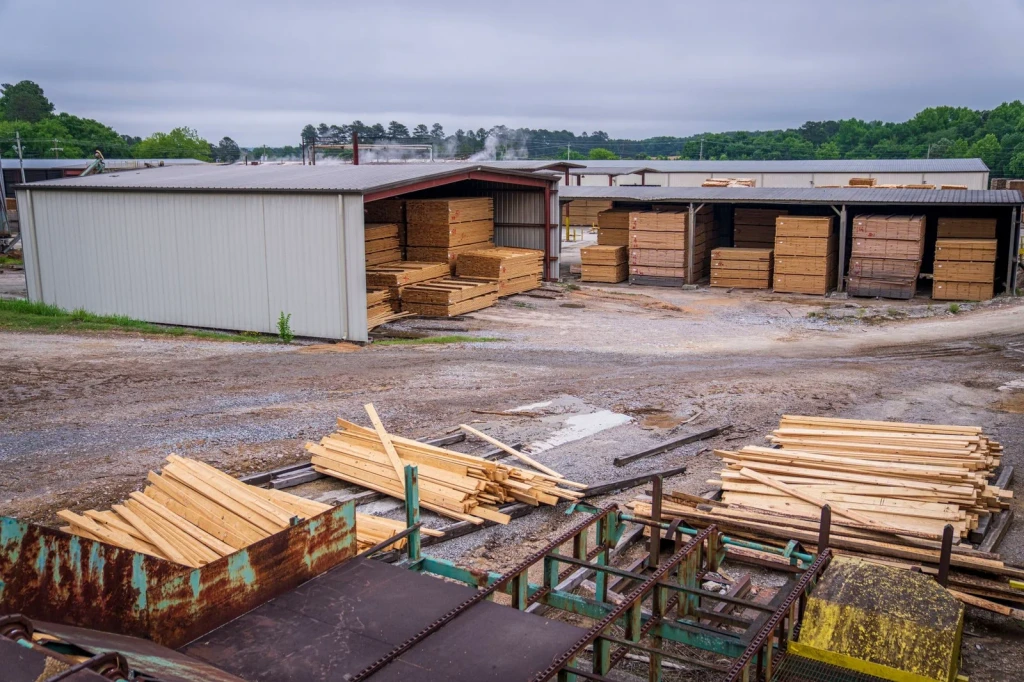
An industrial lumber yard holds processed planks organized for distribution. The image captures timber as a managed material ready for construction and manufacture.
Photograph by Mark Stebnicki, via Pexels.
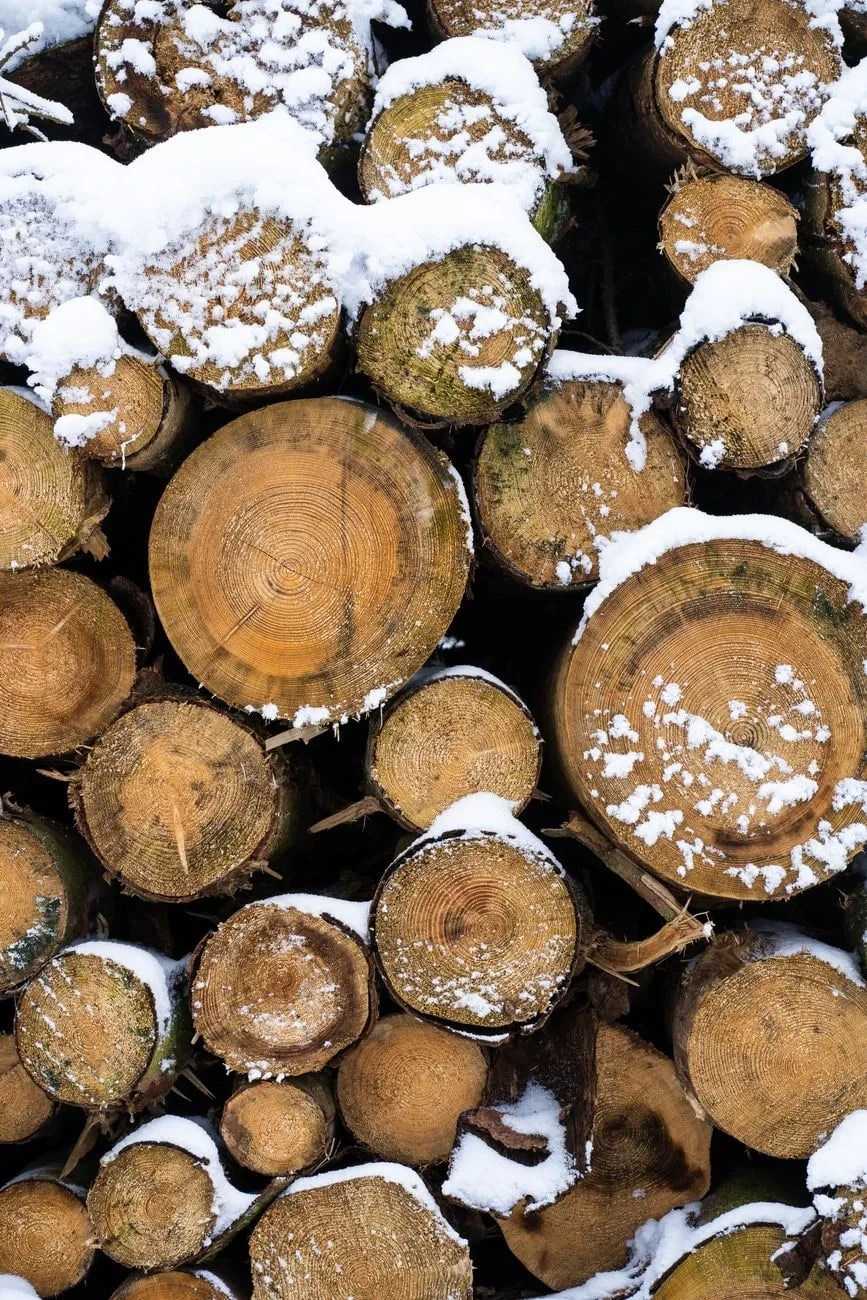
Snow-dusted logs stand in a forest setting. This vertical stack shows timber harvested and prepared, waiting in the season between tree and use.
Photograph by Maximilian Oeverhaus, via Pexels.
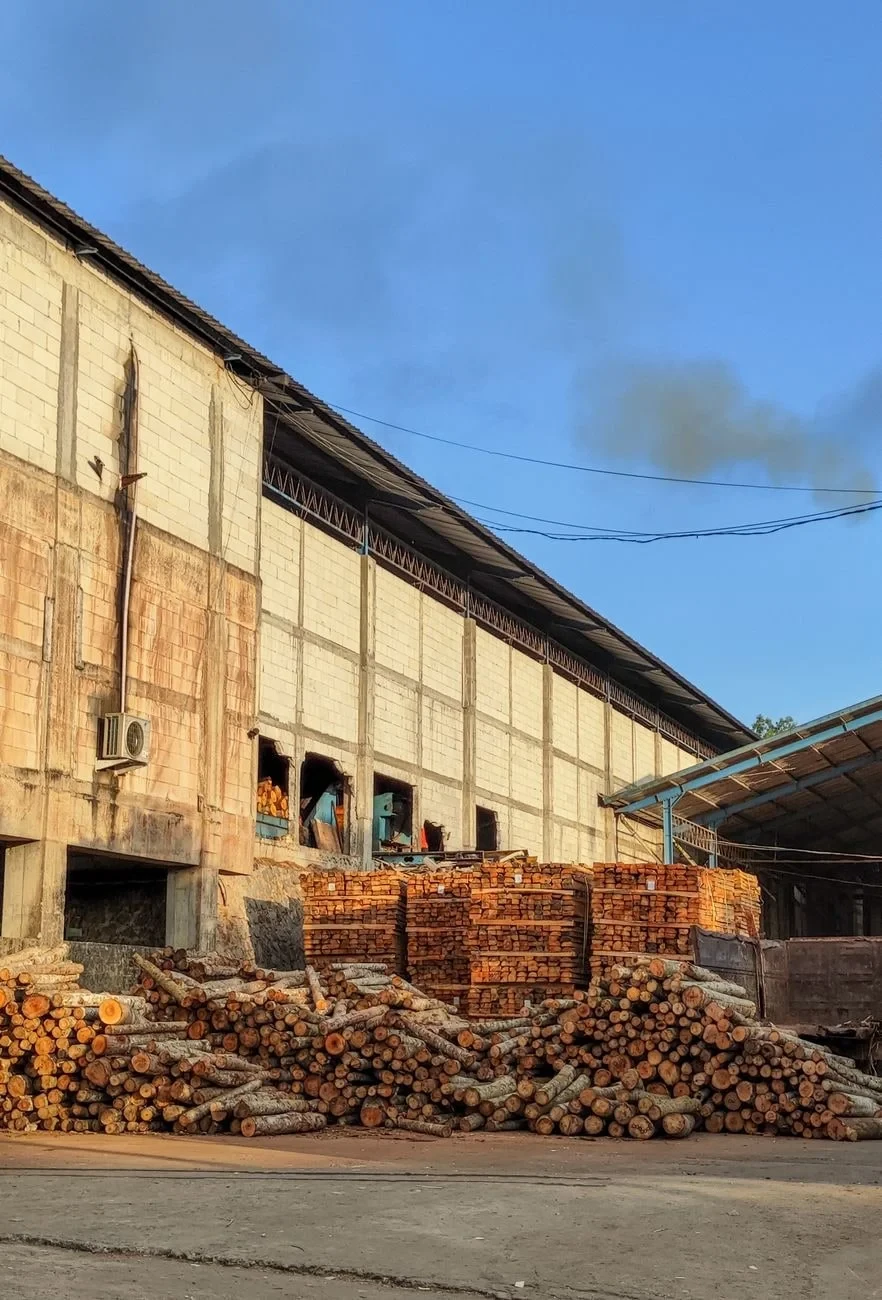
Stacked logs and a rustic building document timber's role as both raw material and shelter. This regional lumber yard shows how wood has served human needs across eras and geographies.
Photograph by Sahid Abdullah, via Pexels.
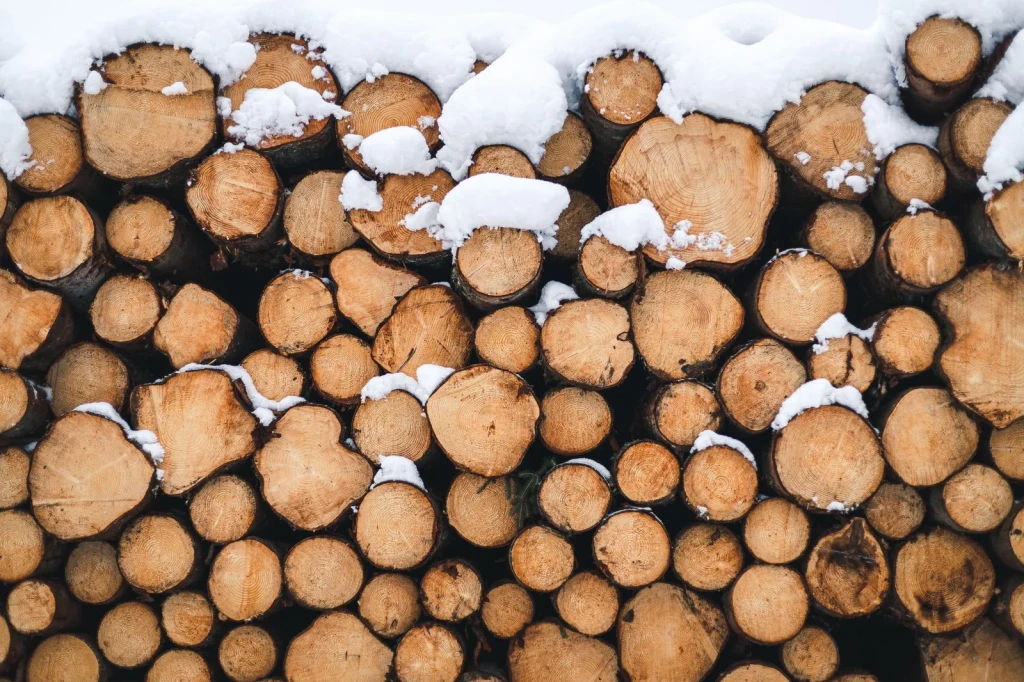
Snow covers stacked logs, adding seasonal texture to the wood's natural surface. The image shows timber persisting through environmental change.
Photograph by Alexis Caso, via Pexels.
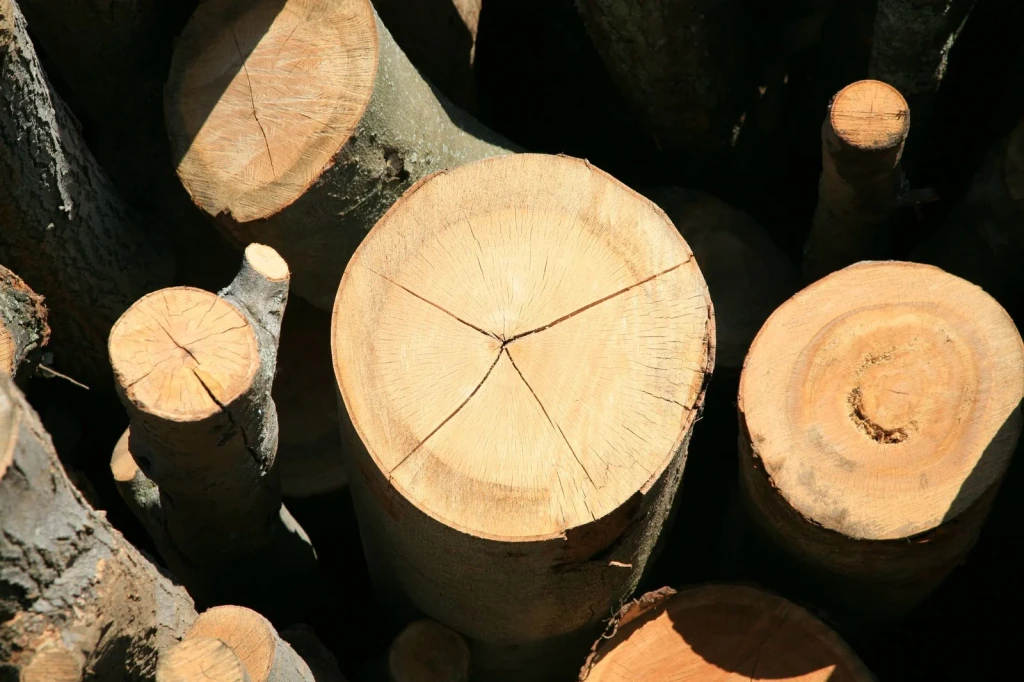
Warm sunlight reveals the annual rings of stacked logs, each circle a record of time. The photograph makes visible what growth looks like when material is cut.
Photograph by Michael Wright, via Pexels.
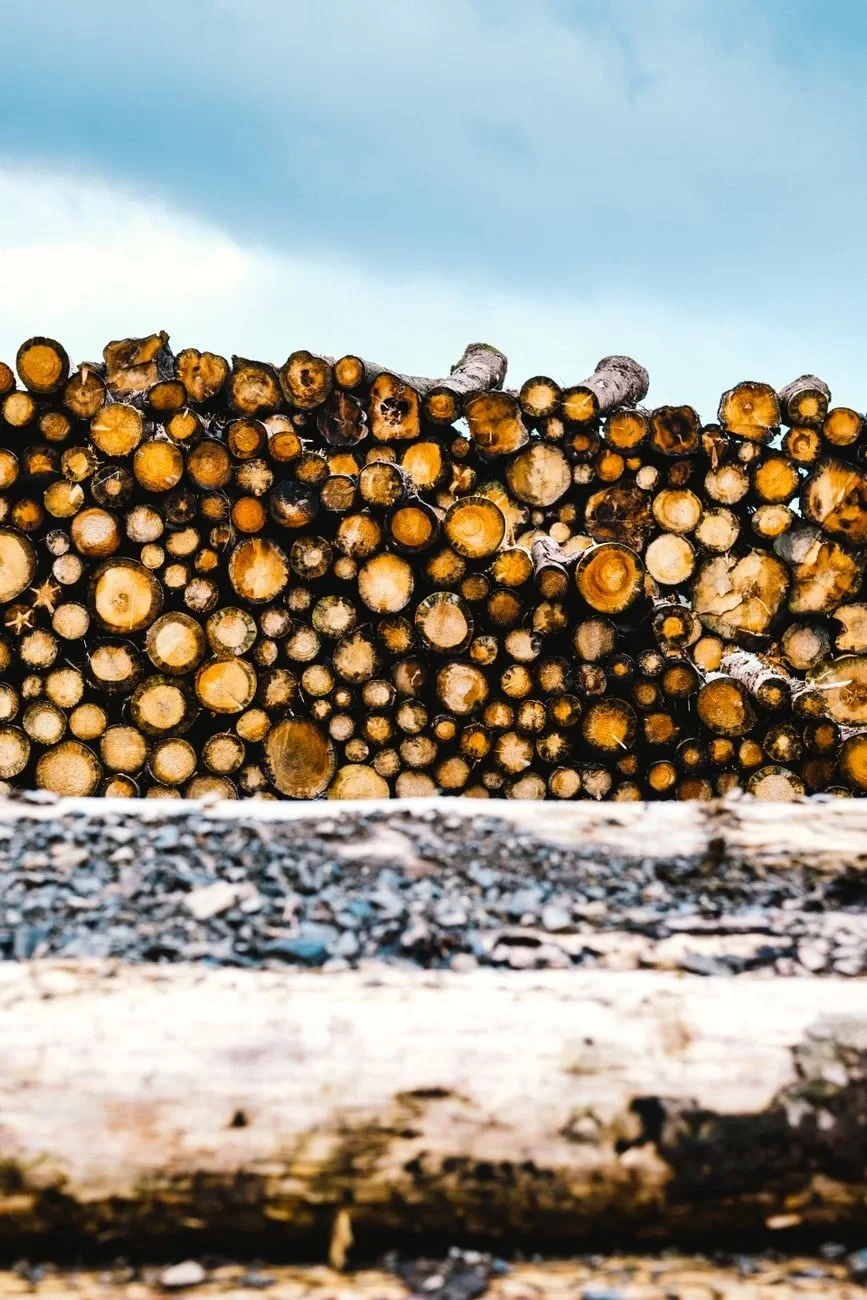
Stacked logs photographed in their vertical arrangement emphasize the structural qualities of timber. Wood grain and form create visual rhythm through repetition.
Photograph by Carsten Kohler, via Pexels.
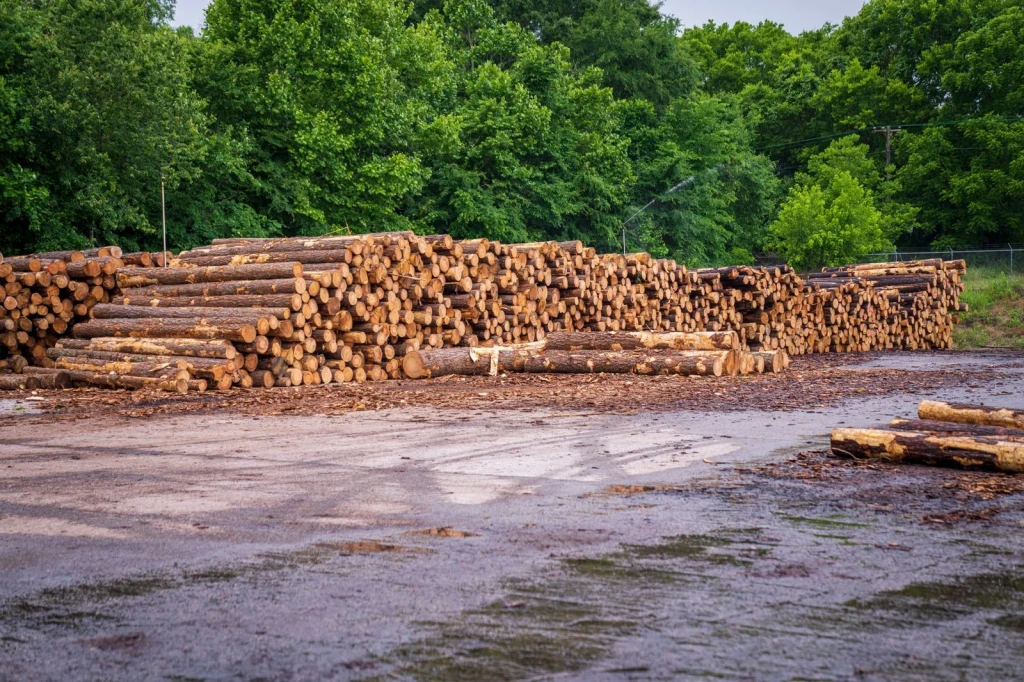
Neatly stacked logs are framed against living forest. The photograph holds both the raw material and its source in a single view.
Photograph by Mark Stebnicki, via Pexels.
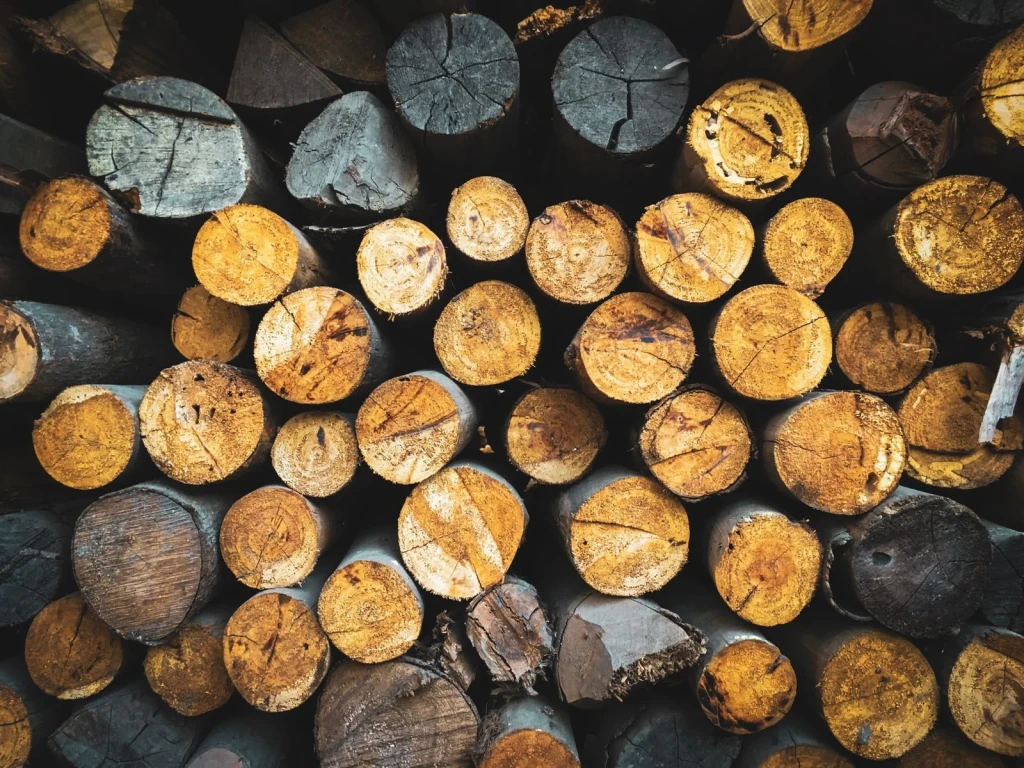
Neatly stacked firewood logs display natural patterns in wood. This domestic scale shows timber as an everyday material across different eras.
Photograph by Hao Nguyen, via Pexels.
