3D Gallery
Vincent van Gogh
Enter gallery
Vincent van Gogh is a 3D virtual gallery on MyGallery3D, a walkable online exhibition of 22 works. Step inside and explore it in your browser: no app, no headset.
Vincent Willem van Gogh (Dutch: [ˈvɪnsɛnt ˈʋɪləɱ vɑŋ ˈɣɔx] ; 30 March 1853 – 29 July 1890) was a Dutch Post-Impressionist painter who is among the most famous and influential figures in the history of Western art. In just over a decade he created about 2,100 artworks, including around 860 oil paintings, most of them in the last two years of his life. They include landscapes, still lifes, portraits and self-portraits, and are characterised by bold colours and dramatic, impulsive and expressive brushwork that contributed to the foundations of modern art.
Text and images from the Wikipedia article "Vincent van Gogh", used under CC BY-SA 4.0. Each work credits its photographer and licence.
After Van Gogh's first exhibitions in the late 1880s, his reputation grew steadily among artists, art critics, dealers and collectors. In 1887, André Antoine hung Van Gogh's alongside works of Georges Seurat and Paul Signac, at the Théâtre Libre in Paris; some were acquired by Julien Tanguy. In 1889, his work was described in the journal Le Moderniste Illustré by Albert Aurier as characterised by "fire, intensity, sunshine". Ten paintings were shown at the Société des Artistes Indépendants, in Brussels in January 1890. French president Marie François Sadi Carnot was said to have been impressed by Van Gogh's work.
Van Gogh drew and painted with watercolours while at school, but only a few examples survive and the authorship of some has been challenged. When he took up art as an adult, he began at an elementary level. In early 1882, his uncle, Cornelis Marinus, owner of a well-known gallery of contemporary art in Amsterdam, asked for drawings of The Hague. Van Gogh's work did not live up to expectations. Marinus offered a second commission, specifying the subject matter in detail, but was again disappointed with the result. Van Gogh persevered; he experimented with lighting in his studio using variable shutters and different drawing materials. For more than a year he worked on single figures – highly elaborate studies in black and white, which at the time gained him only criticism. Later, they were recognised as early masterpieces.
Vincent Willem van Gogh was born on 30 March 1853 in Groot-Zundert, in the predominantly Catholic province of North Brabant in the Netherlands. He was the oldest surviving child of Theodorus van Gogh (1822–1885), a minister of the Dutch Reformed Church, and his wife, Anna Cornelia Carbentus (1819–1907). Van Gogh was given the name of his grandfather and of a brother stillborn exactly a year before his birth. His grandfather, Vincent (1789–1874), was a prominent art dealer and a theology graduate from the University of Leiden in 1811. This Vincent had six sons, three of whom became art dealers, and may have been named after his great-uncle, a sculptor (1729–1802).
The most comprehensive primary source on Van Gogh is his correspondence with his younger brother, Theo. Their lifelong friendship, and most of what is known of Vincent's thoughts and theories of art, are recorded in the hundreds of letters they exchanged from 1872 until 1890. Theo van Gogh was an art dealer and provided his brother with financial and emotional support as well as access to influential people on the contemporary art scene.
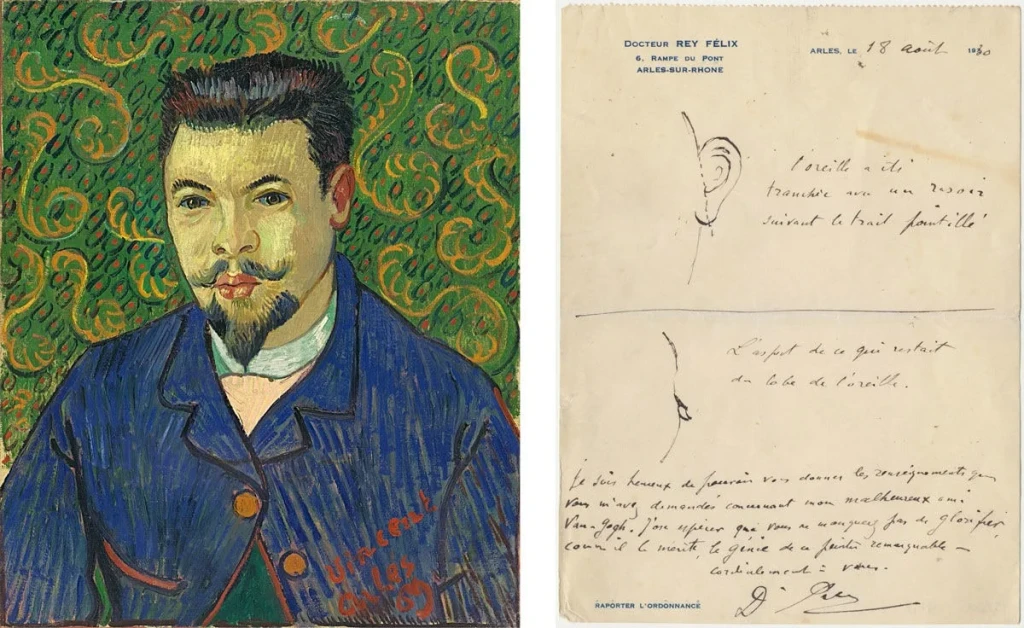
Portrait of Doctor Rey, January 1889, Pushkin Museum; note written by Dr Rey for novelist Irving Stone with sketches of the damage to Van Gogh's ear
Left - Portrait of Dr Felix Rey, Vincent van Gogh, Arles, January 1889 Right - Felix Rey's note to author Irving Stone including a sketch of van Gogh's damaged ear with explanatory notes
Felix Rey portrait & sketch.jpg — Vincent van Gogh; Dr Felix Rey, Public domain, via Wikimedia Commons.
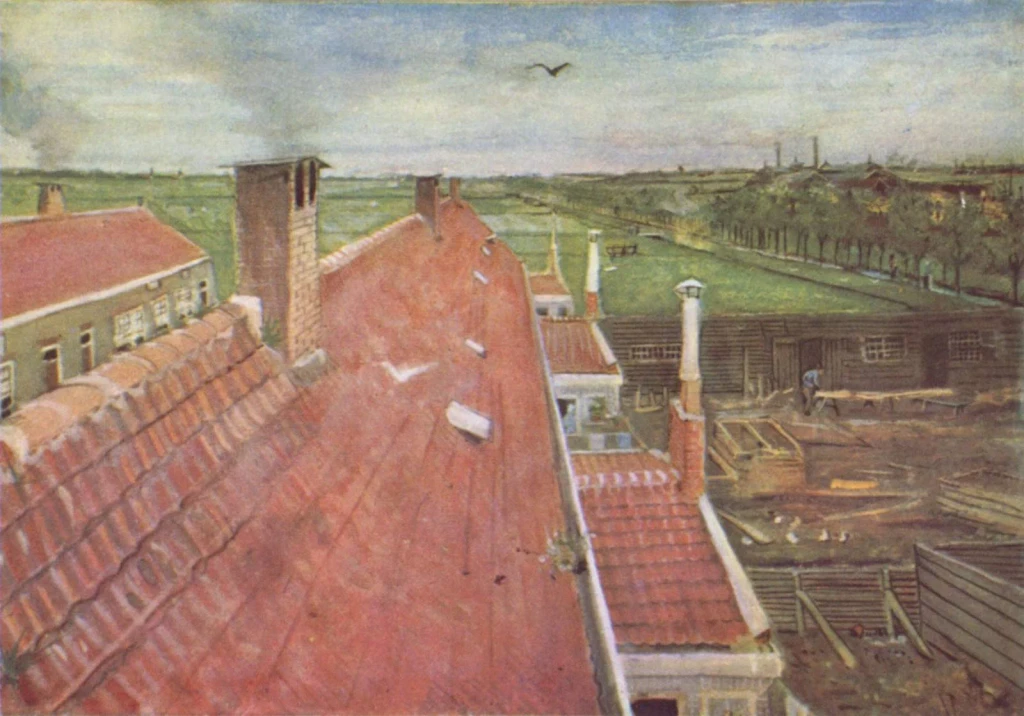
Rooftops, View from the Atelier The Hague, 1882, private collection
Vincent Willem van Gogh 016.jpg — Vincent van Gogh, Public domain, via Wikimedia Commons.
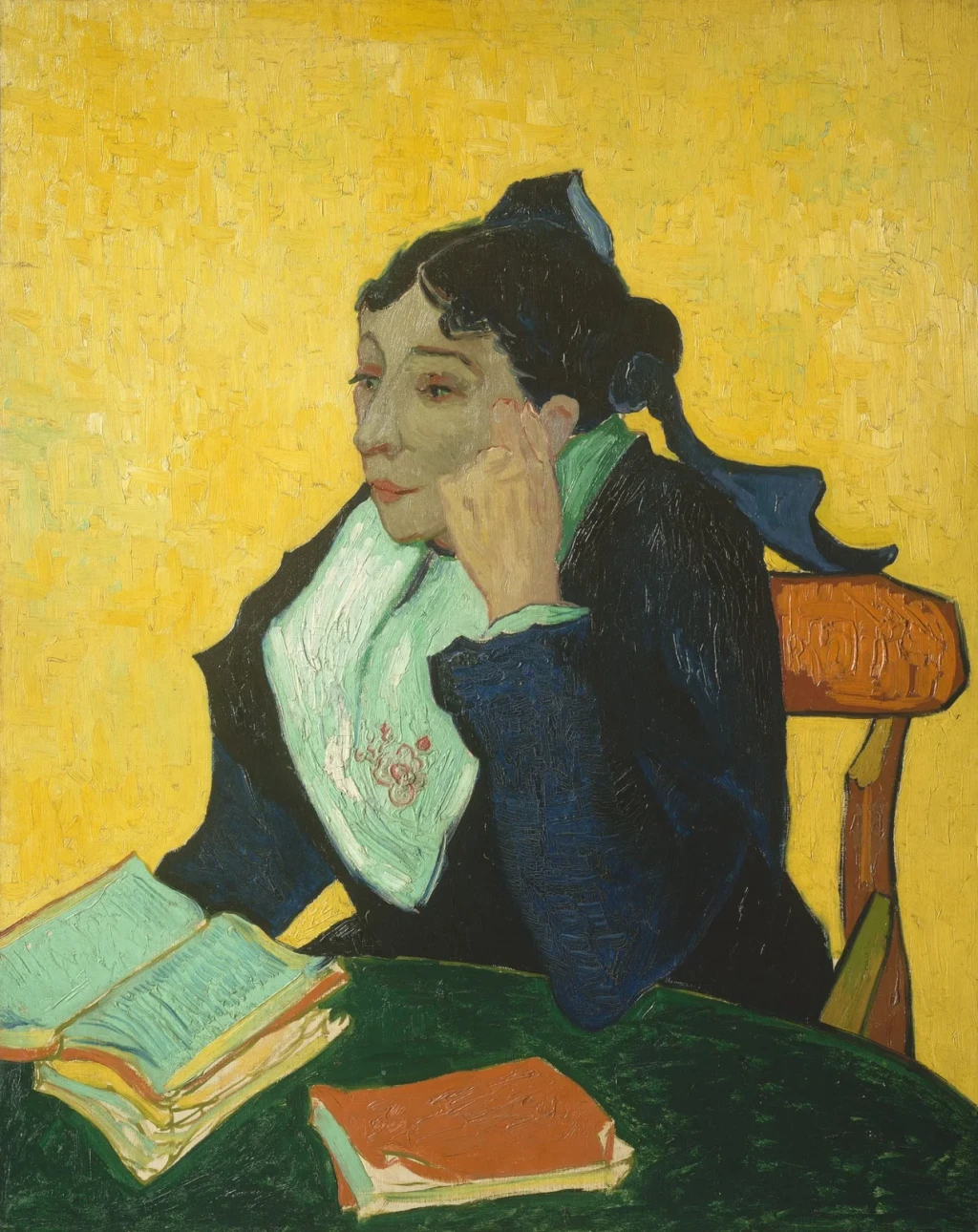
L'Arlésienne: Madame Ginoux with Books, November 1888. Metropolitan Museum of Art, New York
L'Arlésienne- Madame Joseph-Michel Ginoux (Marie Julien, 1848–1911) MET DT1396.jpg — Vincent van Gogh, CC0, via Wikimedia Commons.
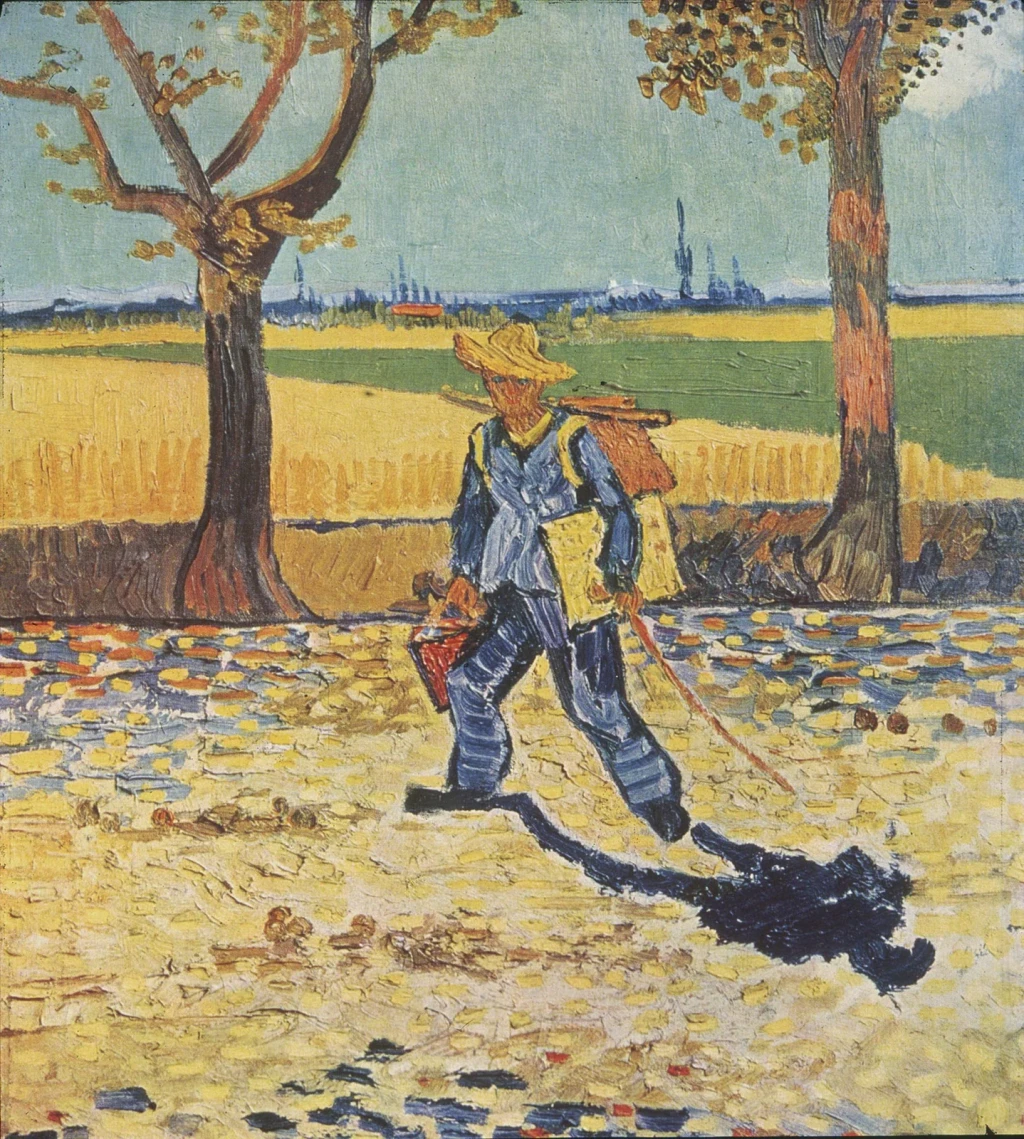
Painter on the Road to Tarascon, August 1888 (destroyed by fire in the Second World War)
Vincent Van Gogh 0013.jpg — Vincent van Gogh, Public domain, via Wikimedia Commons.
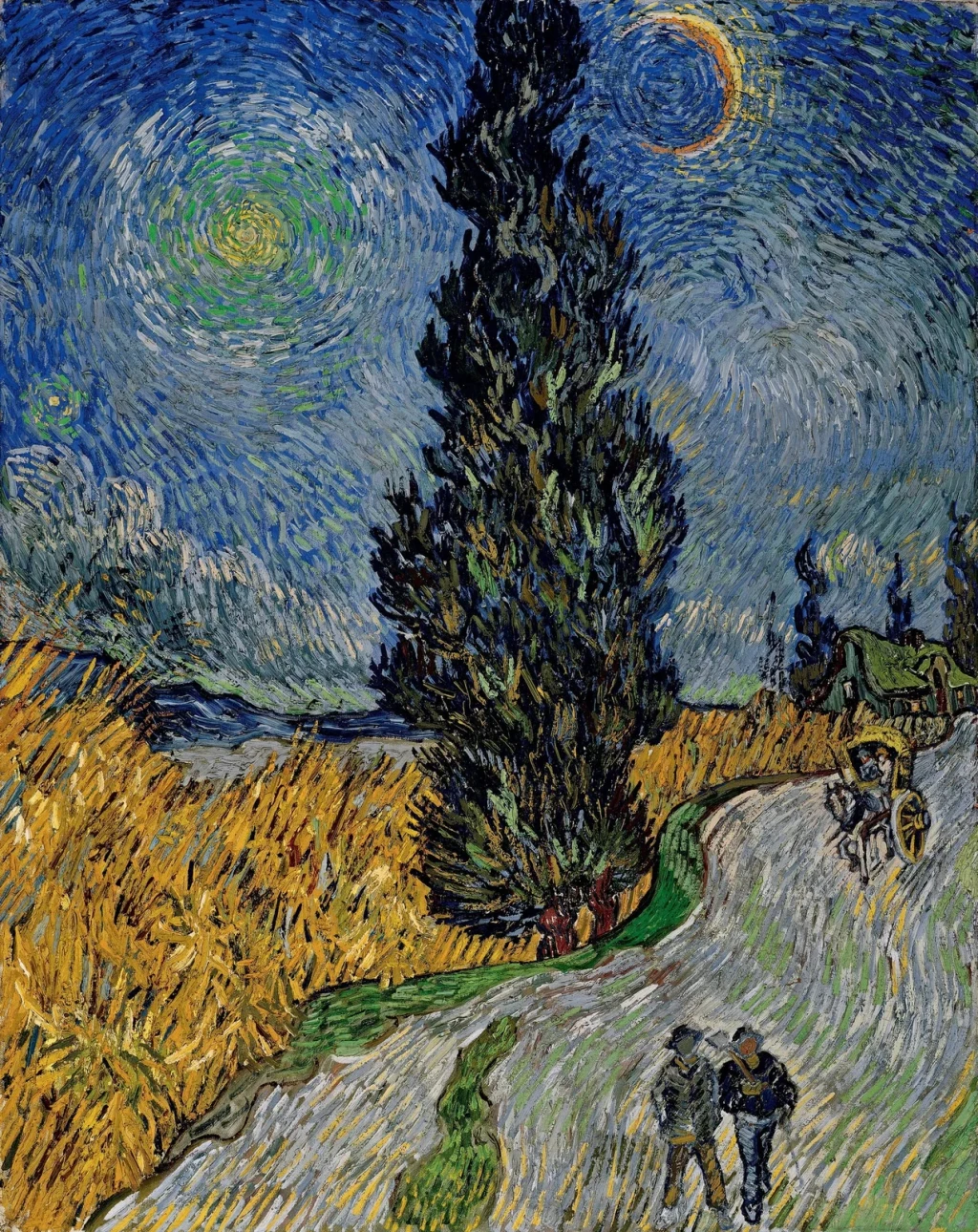
Road with Cypress and Star, May 1890, Kröller-Müller Museum, Otterlo
Vincent van Gogh - Road with Cypress and Star - c. 12-15 May 1890.jpg — Vincent van Gogh, Public domain, via Wikimedia Commons.
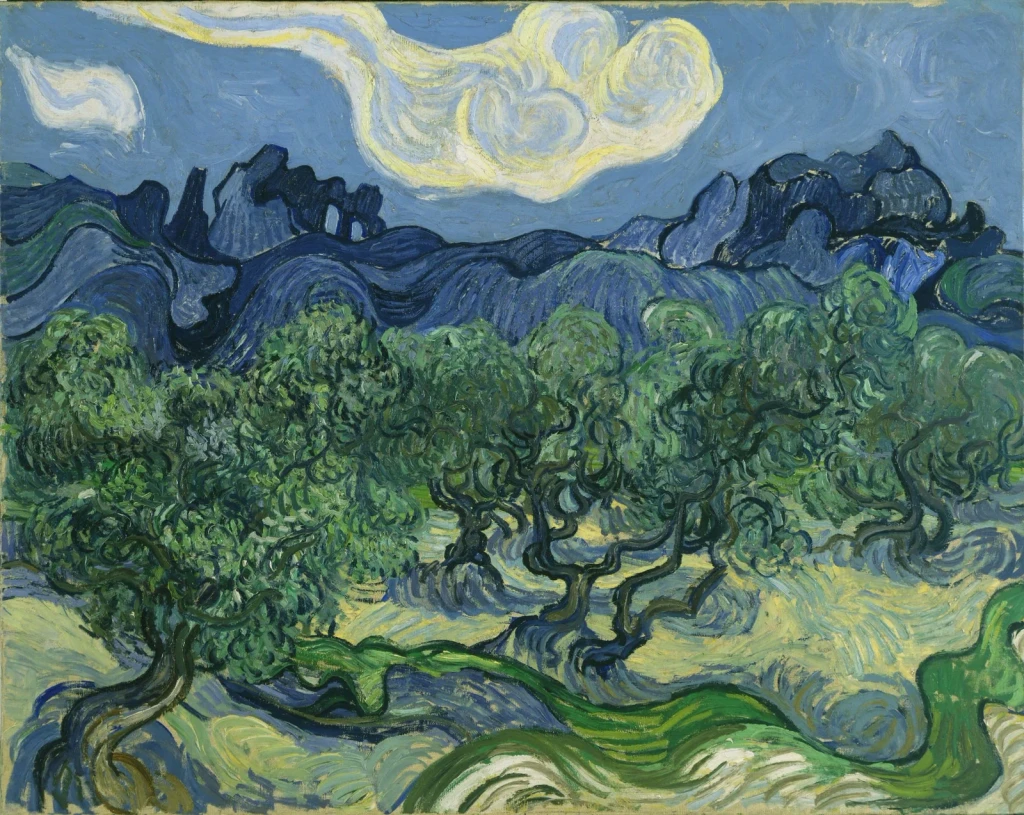
Olive Trees with the Alpilles in the Background, 1889. Museum of Modern Art, New York
Van Gogh The Olive Trees..jpg — Vincent van Gogh, Public domain, via Wikimedia Commons.
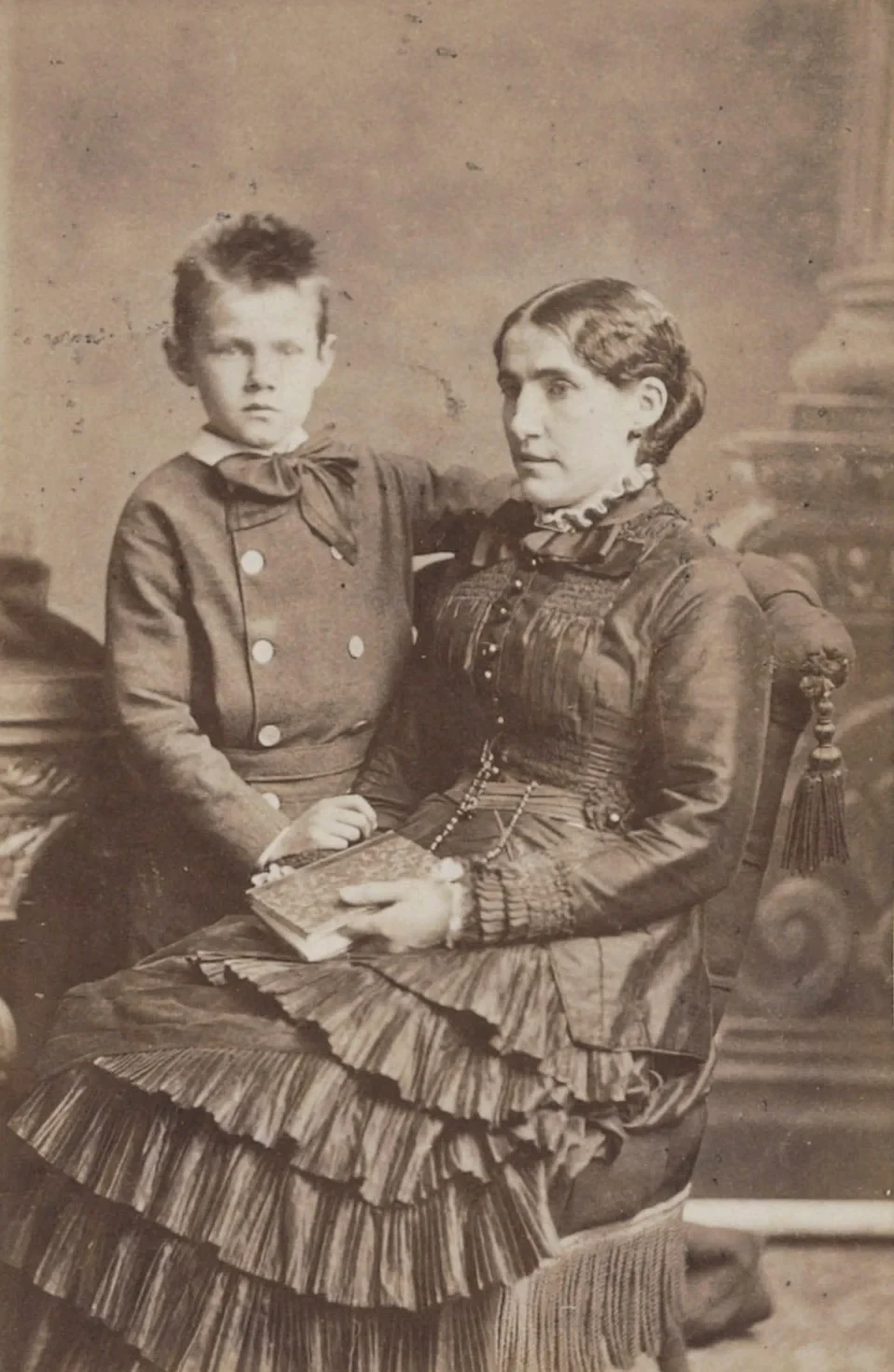
Kee Vos-Stricker with her son Jan c. 1879–80
A photo of Kee Vos Stricker with her son taken around 1879/1880 by Albert Greiner, place unknown (b 4888 - 0001 V/1962 (foto), Brieven en Documenten, Van Gogh Museum, released into the Public Domain at the Geheugen van Nederland archive). Kee Vos was the young widow that Vincent van Gogh became infatuated with, an infatuation which ultimately led to his estrangement from his family.
Kee Vos met zoon Jan-cropped.jpg — Albert Greiner, Public domain, via Wikimedia Commons.
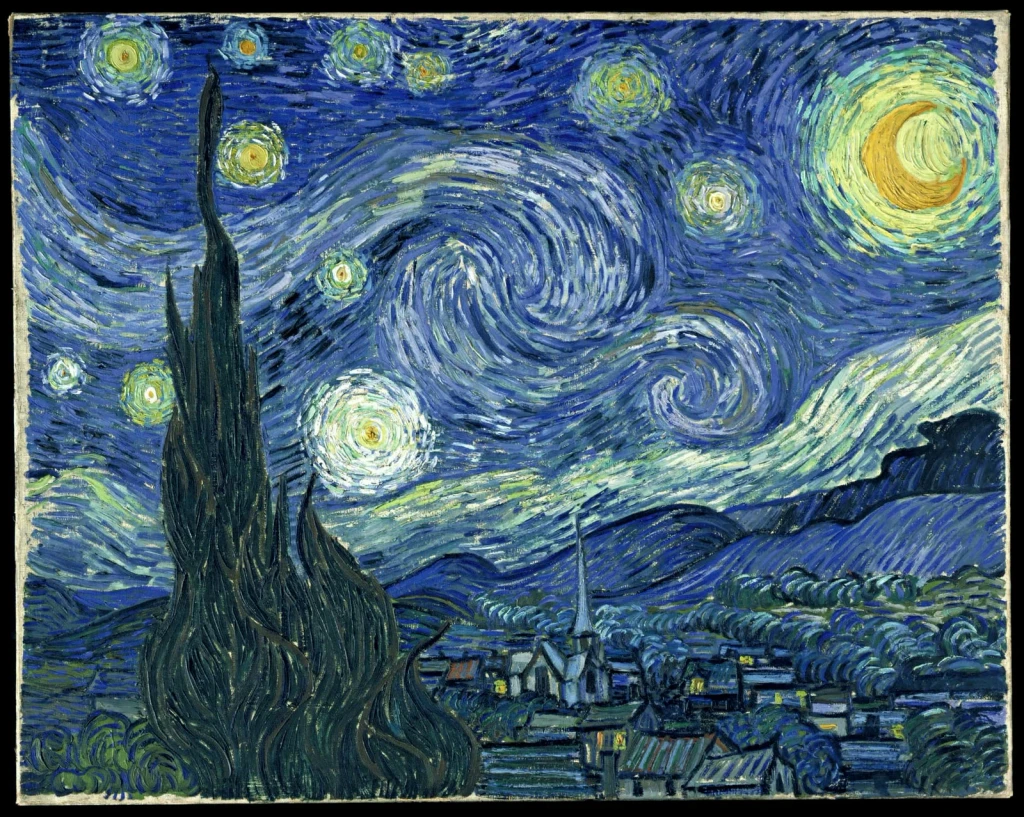
The Starry Night, June 1889. Museum of Modern Art, New York
VanGogh-starry night ballance1.jpg — Vincent van Gogh, Public domain, via Wikimedia Commons.
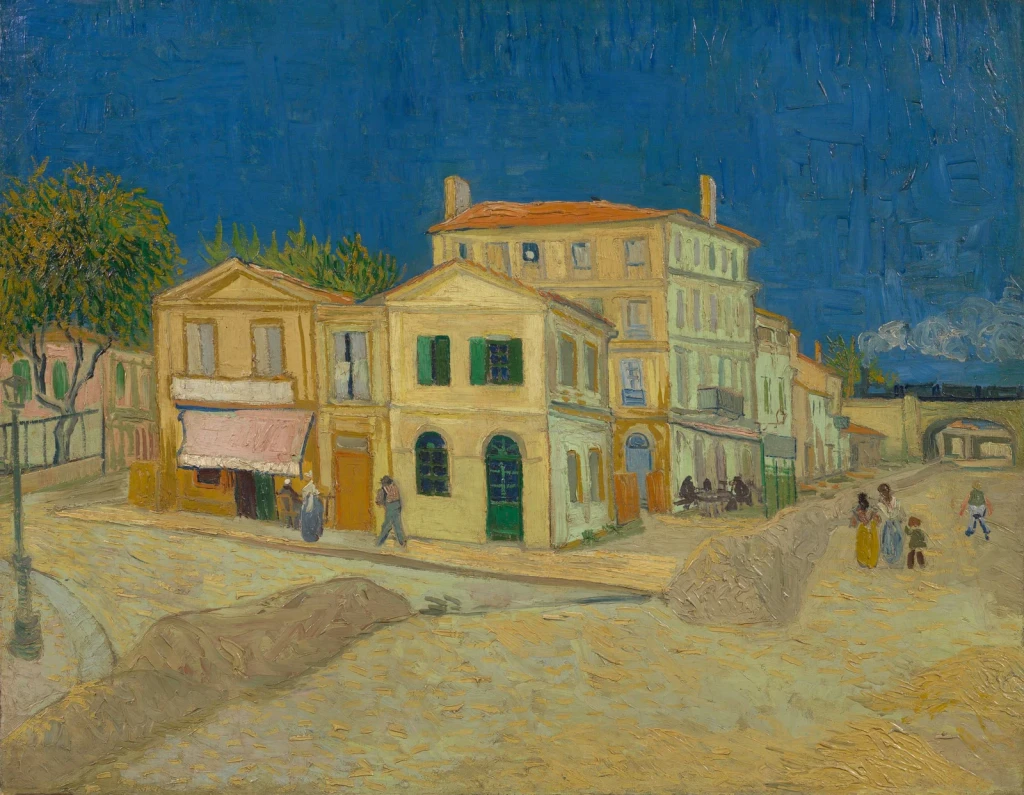
The Yellow House, c.1888. Van Gogh Museum, Amsterdam
Vincent van Gogh - The yellow house ('The street').jpg — Vincent van Gogh, Public domain, via Wikimedia Commons.
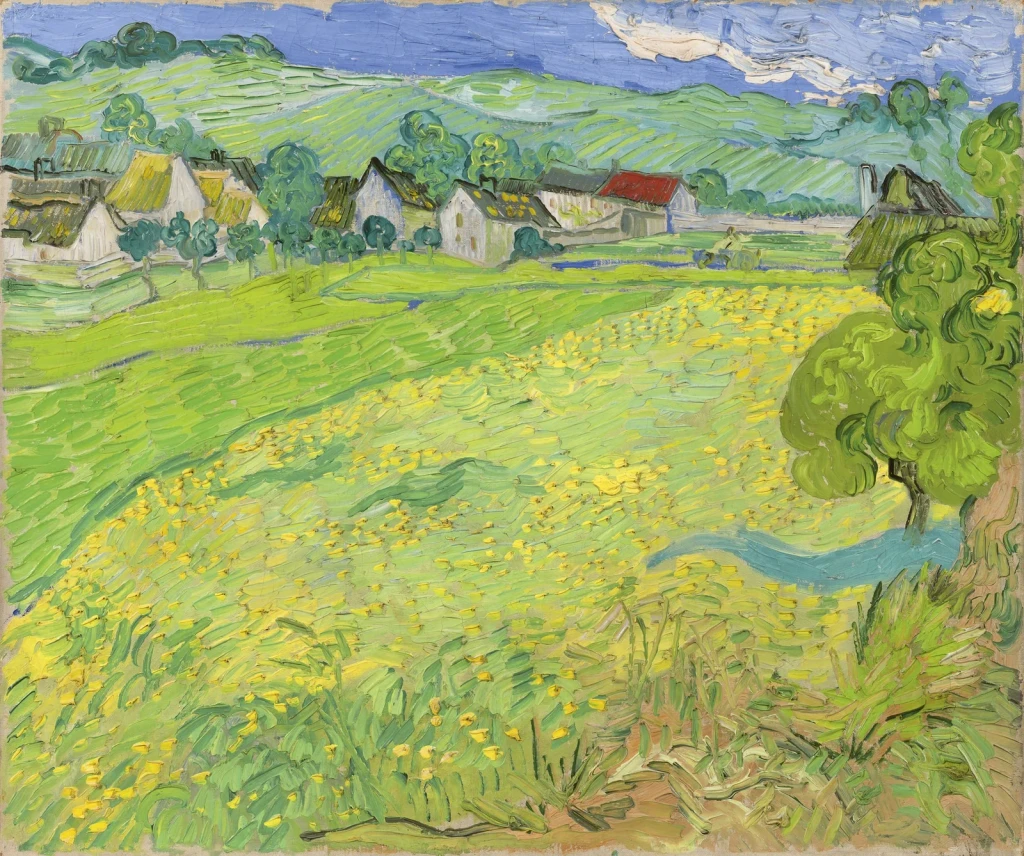
Les Vessenots à Auvers, 1890. Thyssen-Bornemisza Museum, Madrid, painted weeks before the artist's death
Vincent van Gogh - Les Vessenots à Auvers (1890).jpg — Vincent van Gogh, Public domain, via Wikimedia Commons.
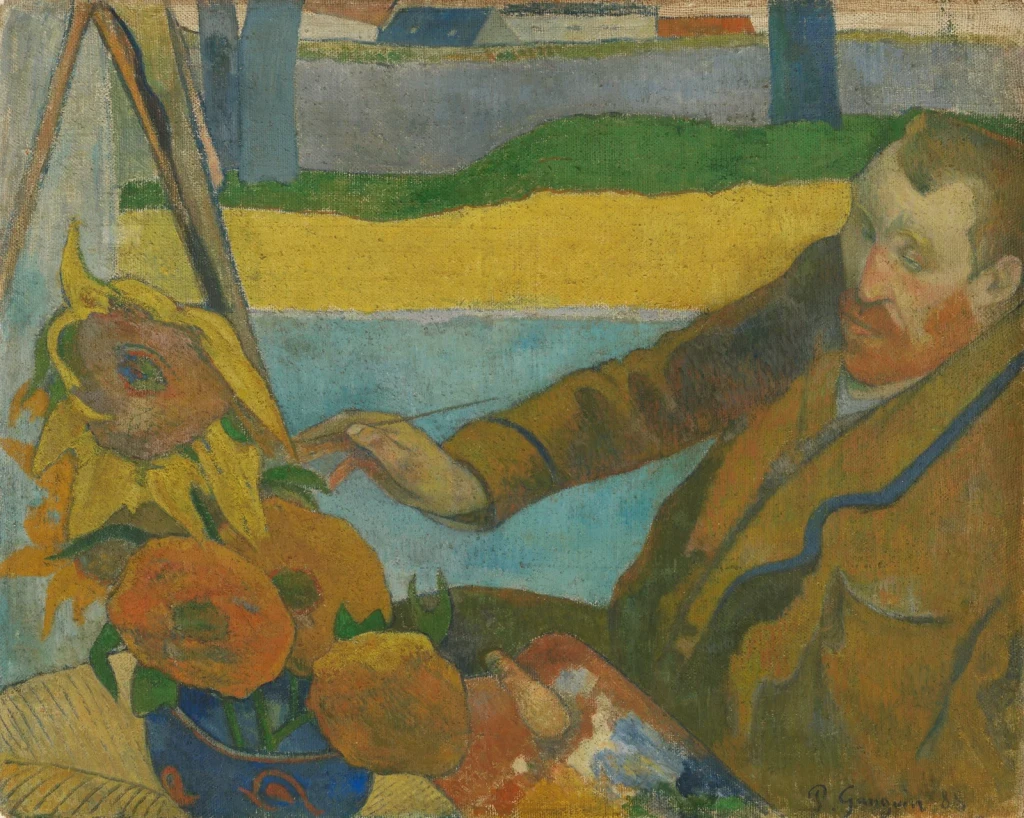
Paul Gauguin, The Painter of Sunflowers: Portrait of Vincent van Gogh, 1888. Van Gogh Museum, Amsterdam
Vincent van Gogh zonnebloemen schilderend - s0225V1962 - Van Gogh Museum.jpg — Paul Gauguin, Public domain, via Wikimedia Commons.
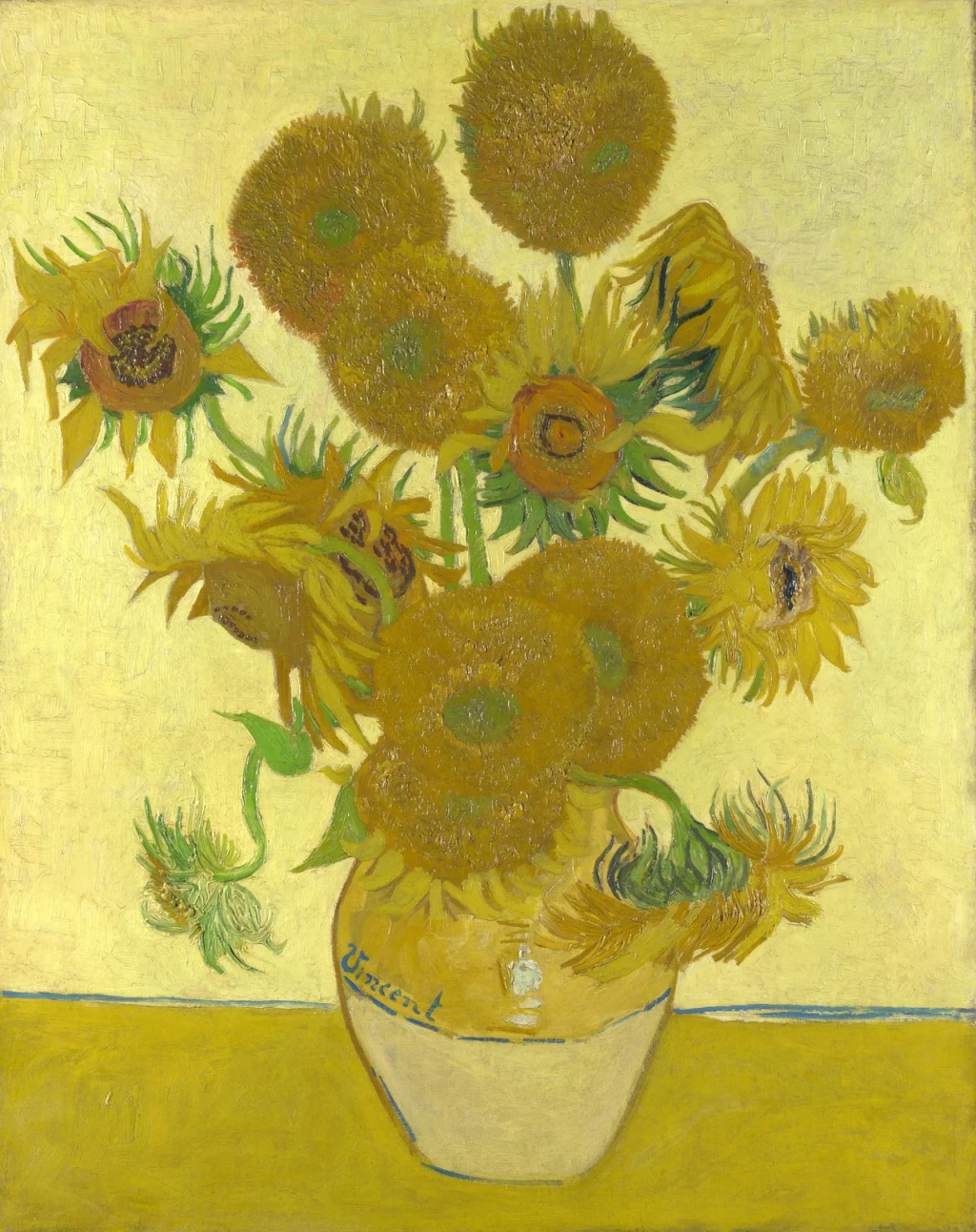
Still Life: Vase with Fourteen Sunflowers, August 1888. National Gallery, London
Vincent Willem van Gogh 127.jpg — Vincent van Gogh, Public domain, via Wikimedia Commons.
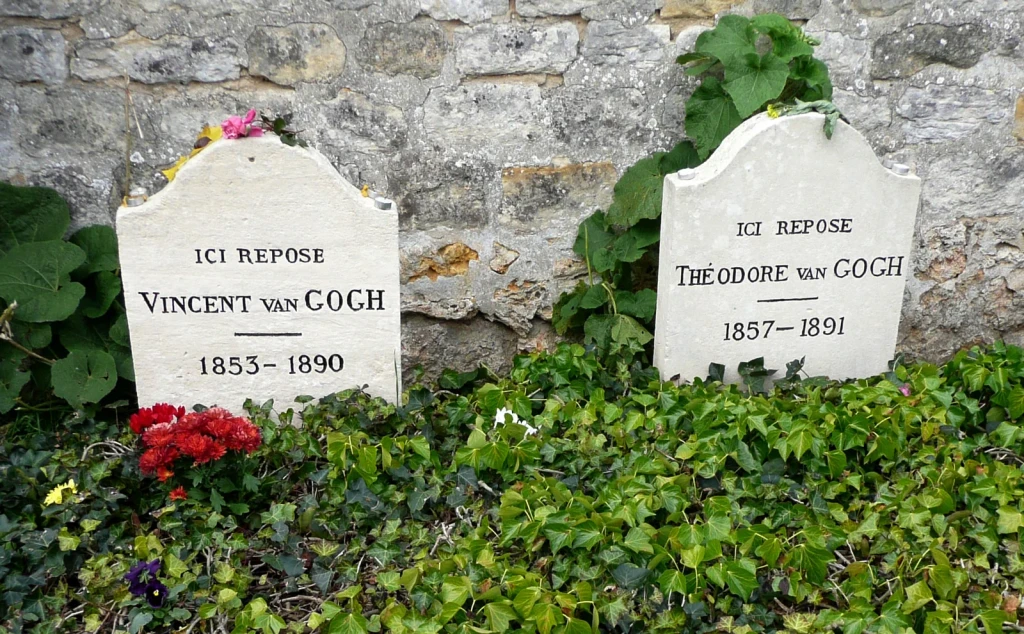
Vincent and Theo's graves at Auvers-sur-Oise Cemetery
Graves of Vincent and Théodore Van Gogh.jpg — Héric SAMSON, CC BY-SA 3.0, via Wikimedia Commons.
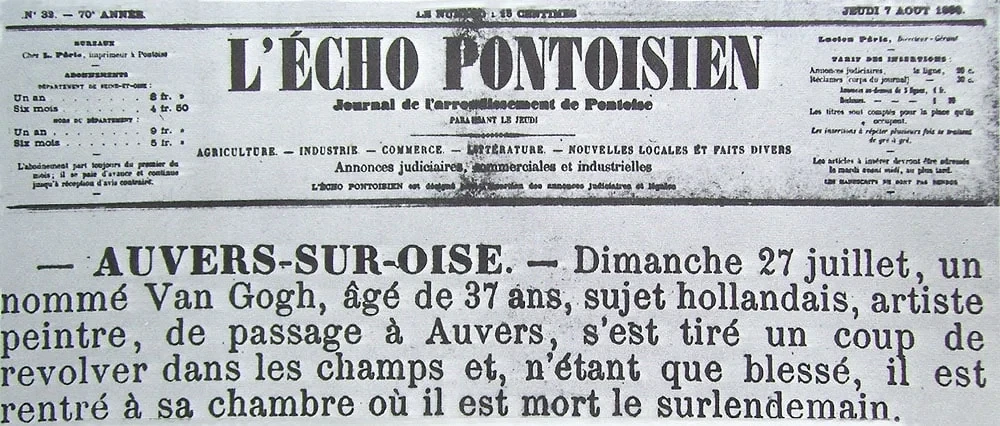
Article on Van Gogh's death from L'Écho Pontoisien, 7 August 1890
Newspaper clipping from L'Écho Pontoisien on the death of the artist Vincent van Gogh
Vincent-van-gogh-echo-pontoisien-august7-1890.jpg — Newspaper clipping from L'Écho Pontoisien, 7 August 1890, Public domain, via Wikimedia Commons.
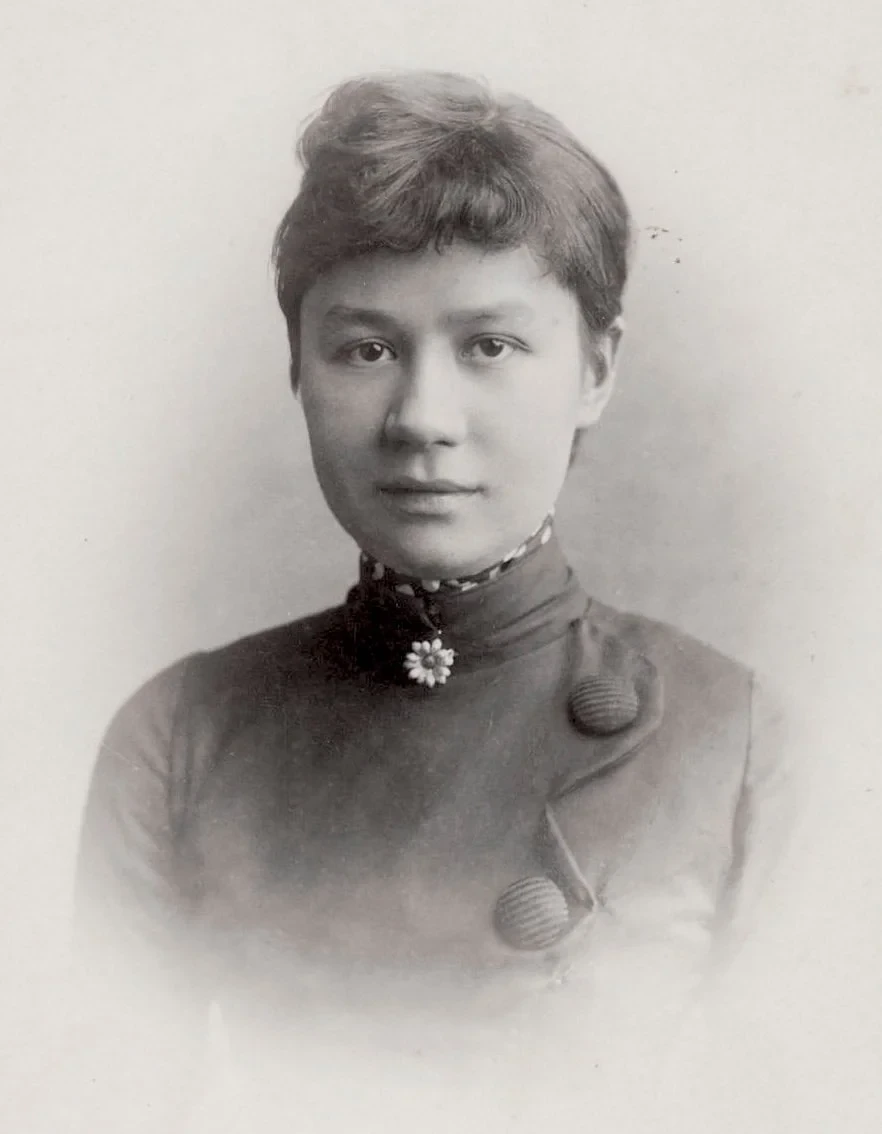
Johanna van Gogh-Bonger, 1889
Jo van Gogh-Bonger, by Woodbury and Page-2.jpg — Woodbury & Page, Public domain, via Wikimedia Commons.
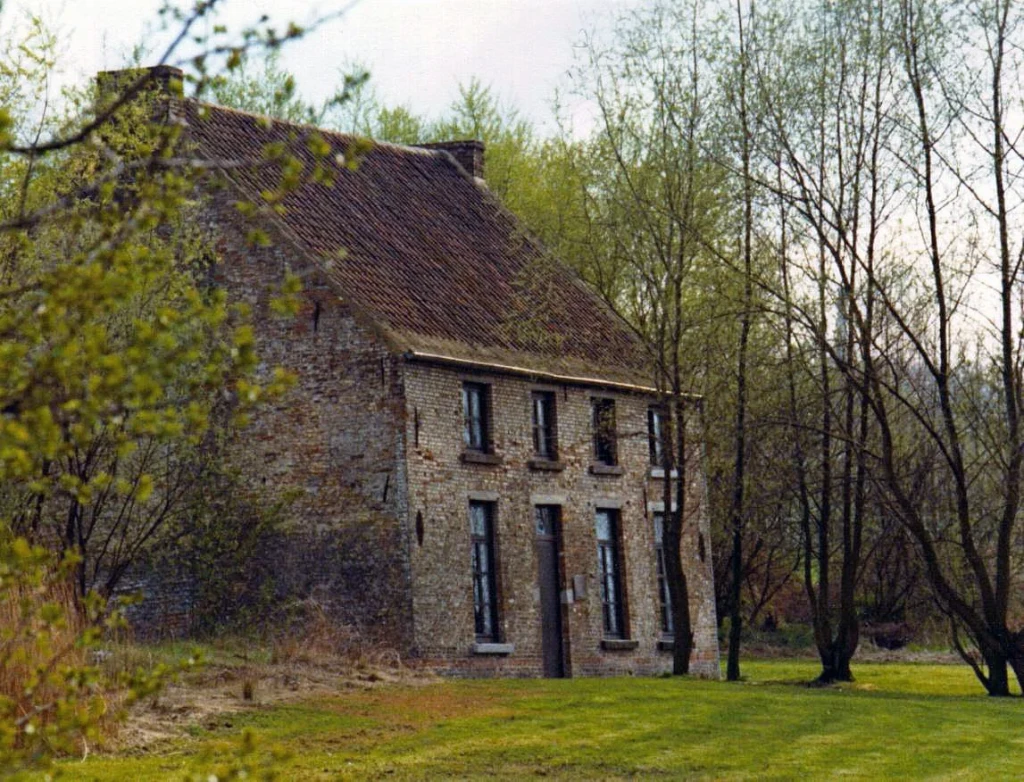
Van Gogh's home in Cuesmes; while there, he decided to become an artist
Cuesmes JPG001.jpg — Jean-Pol GRANDMONT, Public domain, via Wikimedia Commons.
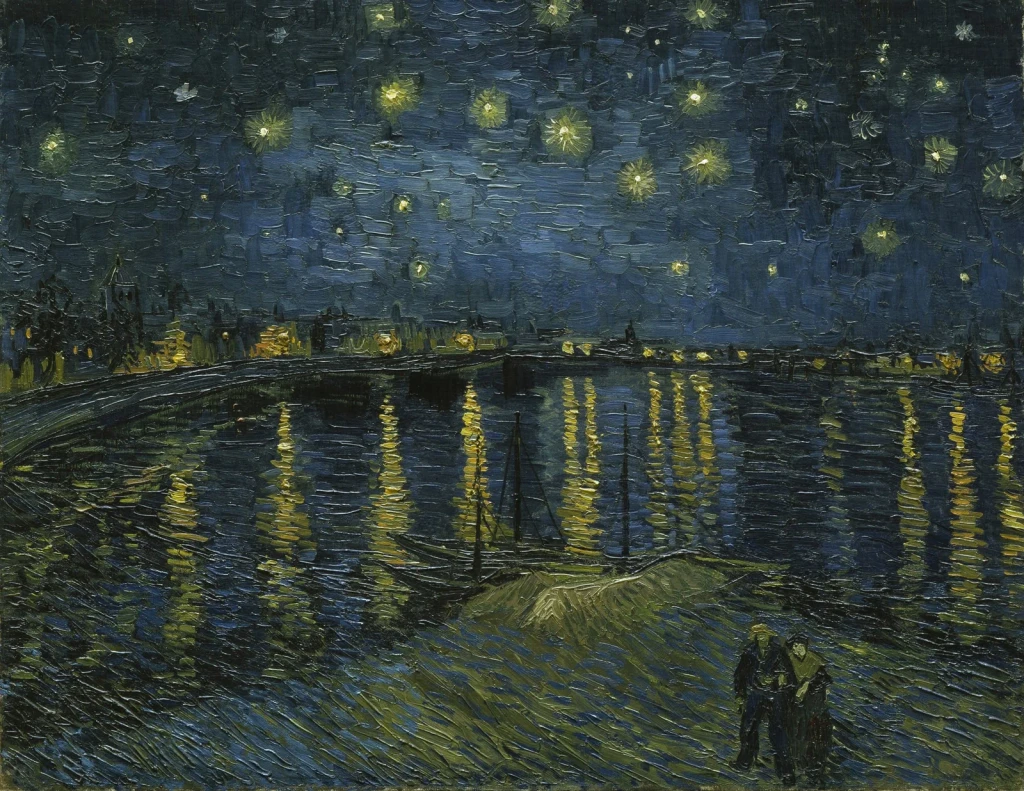
Starry Night Over the Rhône, 1888. Musée d'Orsay, Paris
Vincent van Gogh - Starry Night on the Rhone, 1888
Vincent van Gogh - Starry Night - Google Art Project.jpg — Vincent van Gogh, Public domain, via Wikimedia Commons.
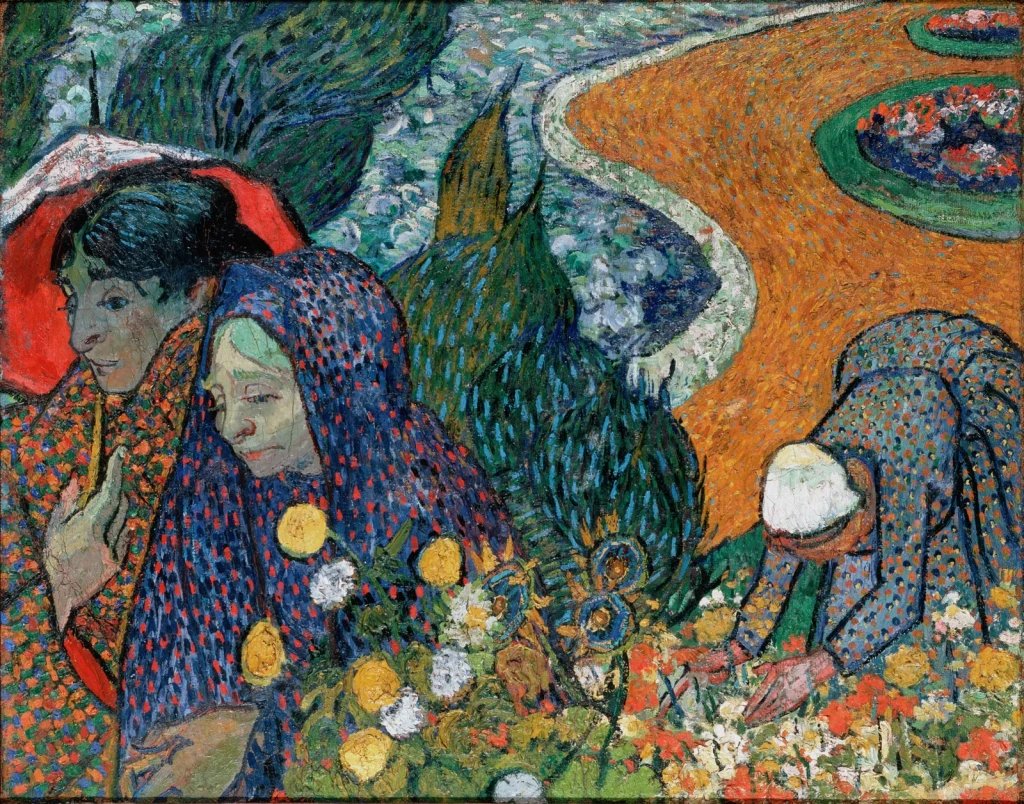
Memory of the Garden at Etten, 1888. Hermitage Museum, St Petersburg
Vincent Willem van Gogh 098.jpg — Vincent van Gogh, Public domain, via Wikimedia Commons.
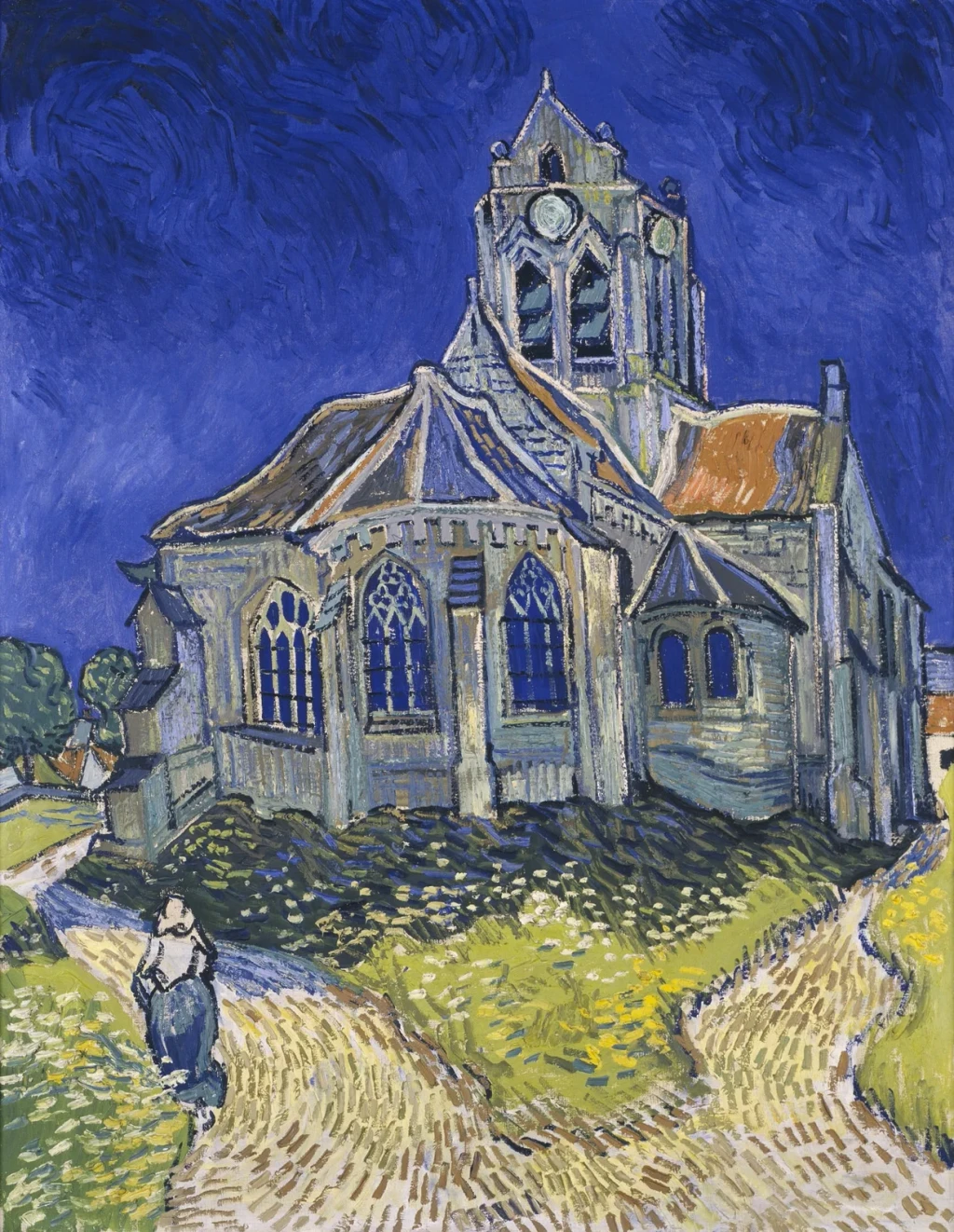
The Church at Auvers, 1890. Musée d'Orsay, Paris
Vincent van Gogh - The Church in Auvers-sur-Oise, View from the Chevet - Google Art Project.jpg — Vincent van Gogh, Public domain, via Wikimedia Commons.
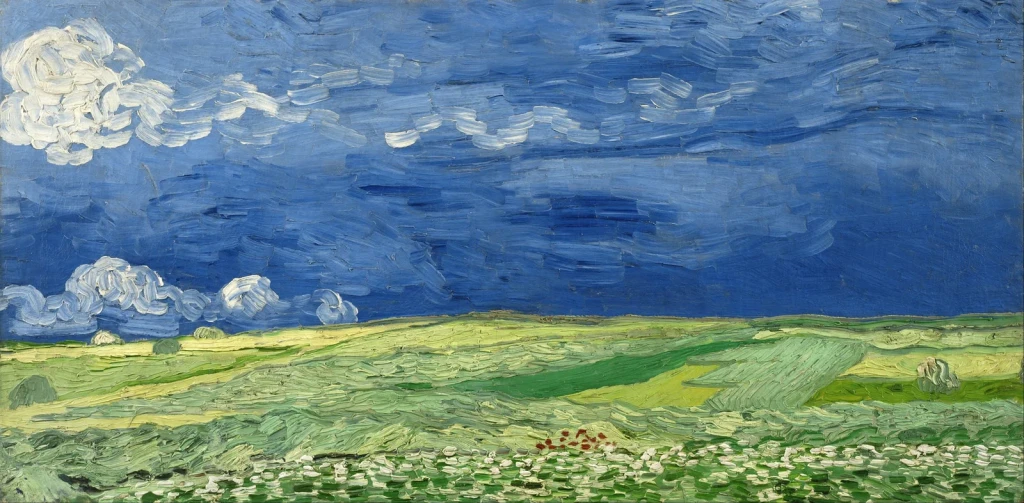
Wheatfield Under Thunderclouds, 1890, Van Gogh Museum, Amsterdam, Netherlands
Vincent van Gogh - Wheatfield under thunderclouds - Google Art Project.jpg — Vincent van Gogh, Public domain, via Wikimedia Commons.
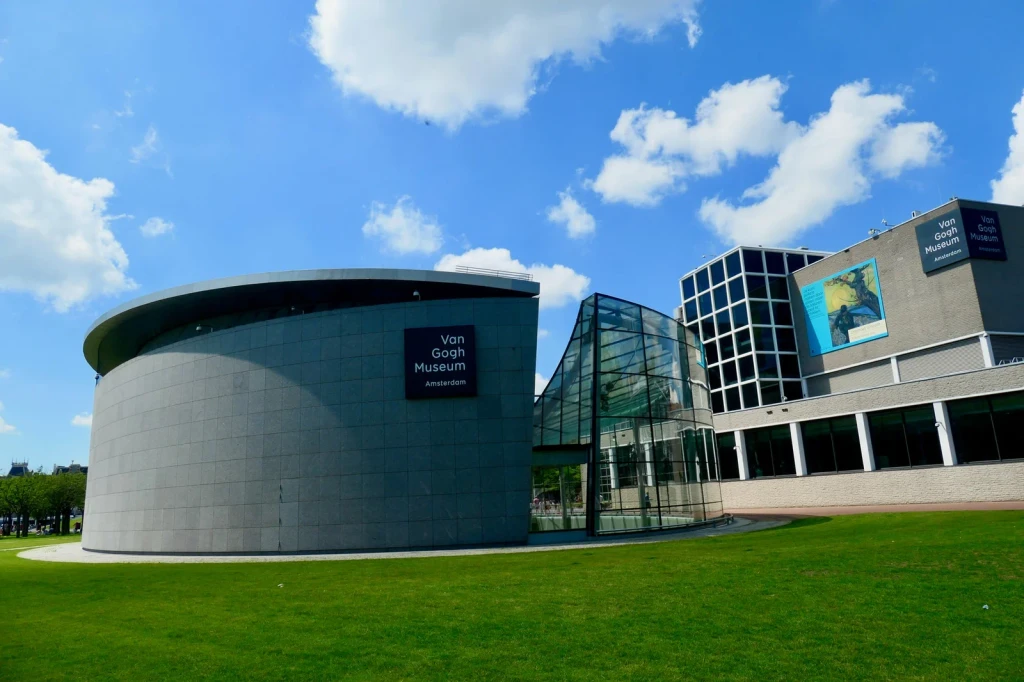
The Van Gogh Museum, Amsterdam
Weesp and Amsterdam (Netherland, June 2020) - 7
Weesp and Amsterdam (Netherland, June 2020) - 7 (50550627911).jpg — Bruno Rijsman, CC BY-SA 2.0, via Wikimedia Commons.
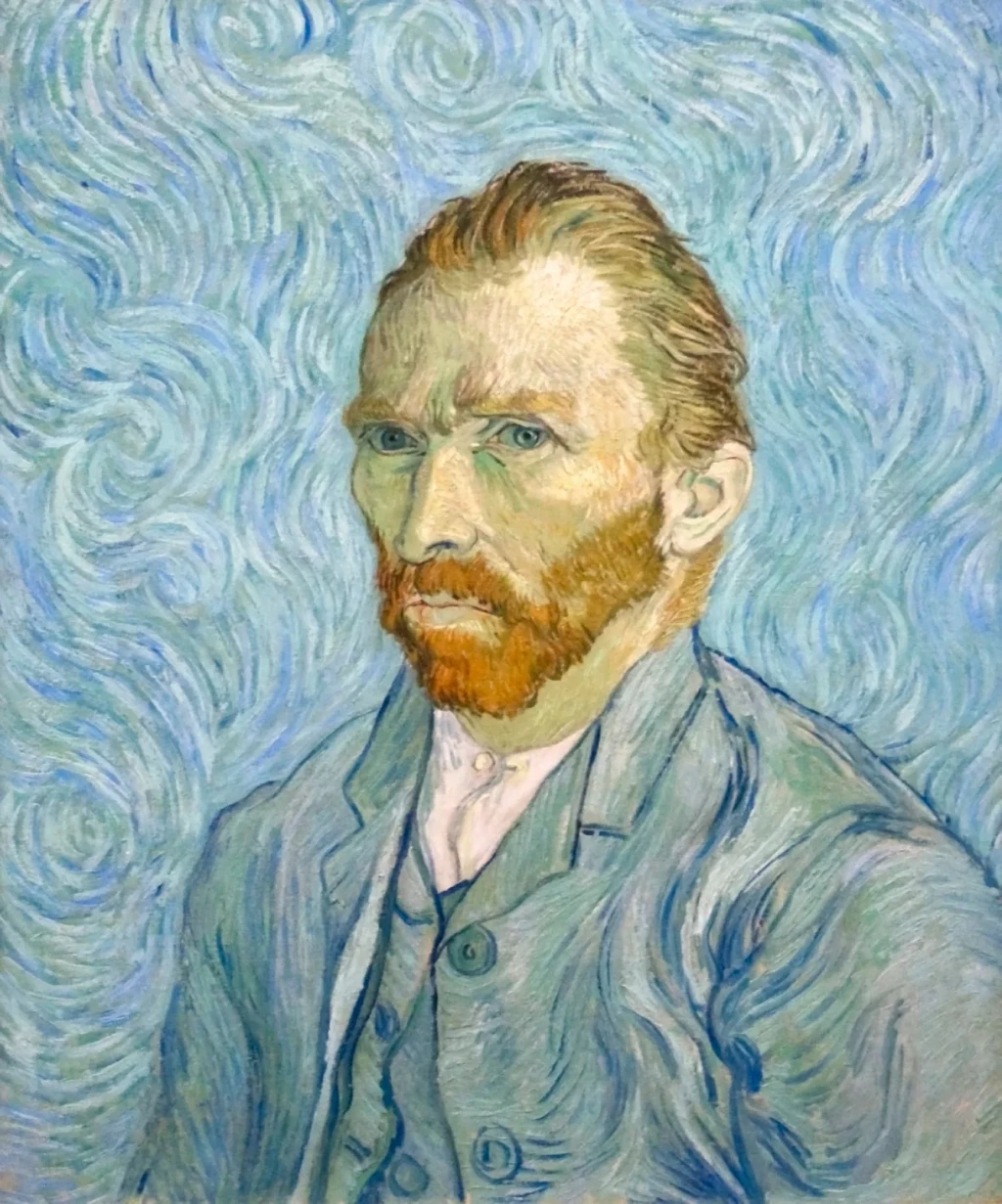
Self-Portrait, September 1889. Musée d'Orsay
Self-Portrait (Van Gogh September 1889).jpg — Vincent van Gogh, Public domain, via Wikimedia Commons.
