3D Gallery
The Quiet Engineering of Seeds
Enter gallery
The Quiet Engineering of Seeds is a 3D virtual gallery on MyGallery3D, a walkable online exhibition of 13 works. Step inside and explore it in your browser: no app, no headset.
This is a 3D virtual gallery of seeds, and you can walk among them in your browser.
A seed is a living plant with the clock stopped. Dry it, chill it, keep the oxygen out, and it will wait. Russian scientists grew a narrow leaf campion from a seed 32,000 years old, recovered from a burrow 38 m under Siberian permafrost alongside 800,000 others. A date palm has been raised from a seed about 2,000 years old, dug out of excavations at the palace of Herod the Great.
The Institute of Plant Genetic Resource in Saint Petersburg was started in 1924 by the geneticist Nikolai Vavilov. It survived the 28-month Siege of Leningrad because several botanists starved to death rather than eat the collected seeds and potatoes. They sat in a room full of food and chose the future instead. It is still one of the largest seed banks in the world.
The Svalbard Global Seed Vault sits 130 m inside a sandstone mountain on Spitsbergen, held at minus 18 C behind two airlocks and two blast-proof doors. If the power failed, it is estimated to take two centuries to warm to 0 C. As of June 2025 it conserves 1,355,591 accessions, more than 13,000 years of agricultural history. The only withdrawals were by ICARDA, cut off from its genebank in Syria.
A plant cannot walk, so its seeds are engineered to travel. Hura crepitans, the dynamite tree, bursts its fruit hard enough to throw a seed up to 100 meters. Witch hazel squeezes its seeds out at roughly 45 km/h. Others bribe a courier: a lipid-rich attachment called the elaiosome persuades ants to carry the seed underground, a trick that has evolved independently at least 100 times.
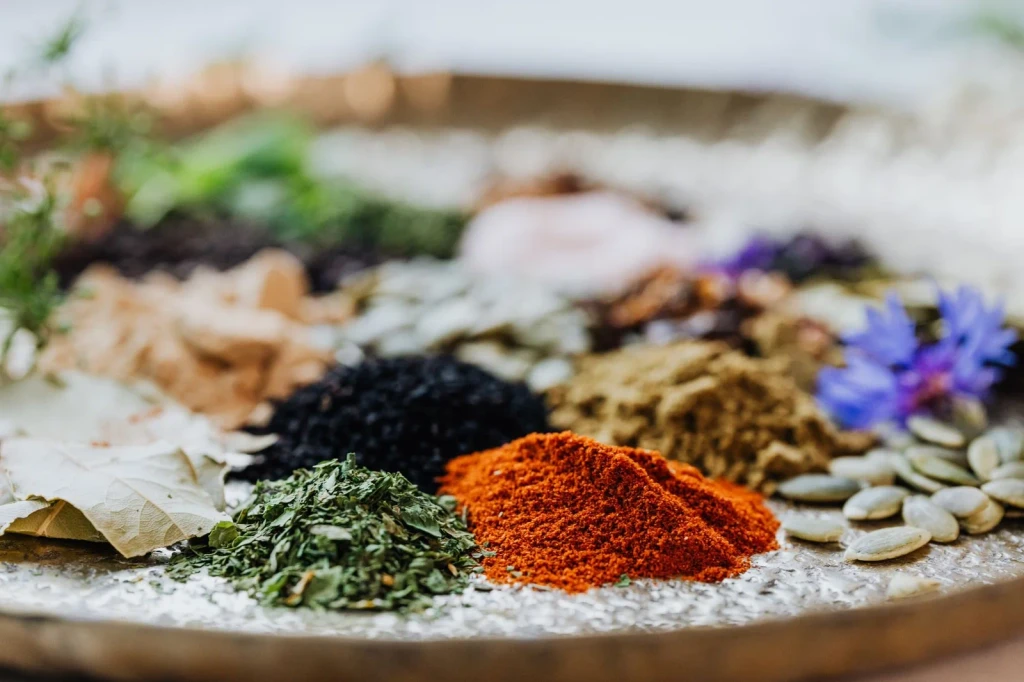
A tray of colorful spices and herbs. In these small forms lies quiet complexity: each one a capsule of flavor, utility, and botanical design.
Photograph by www.kaboompics.com, via Pexels.
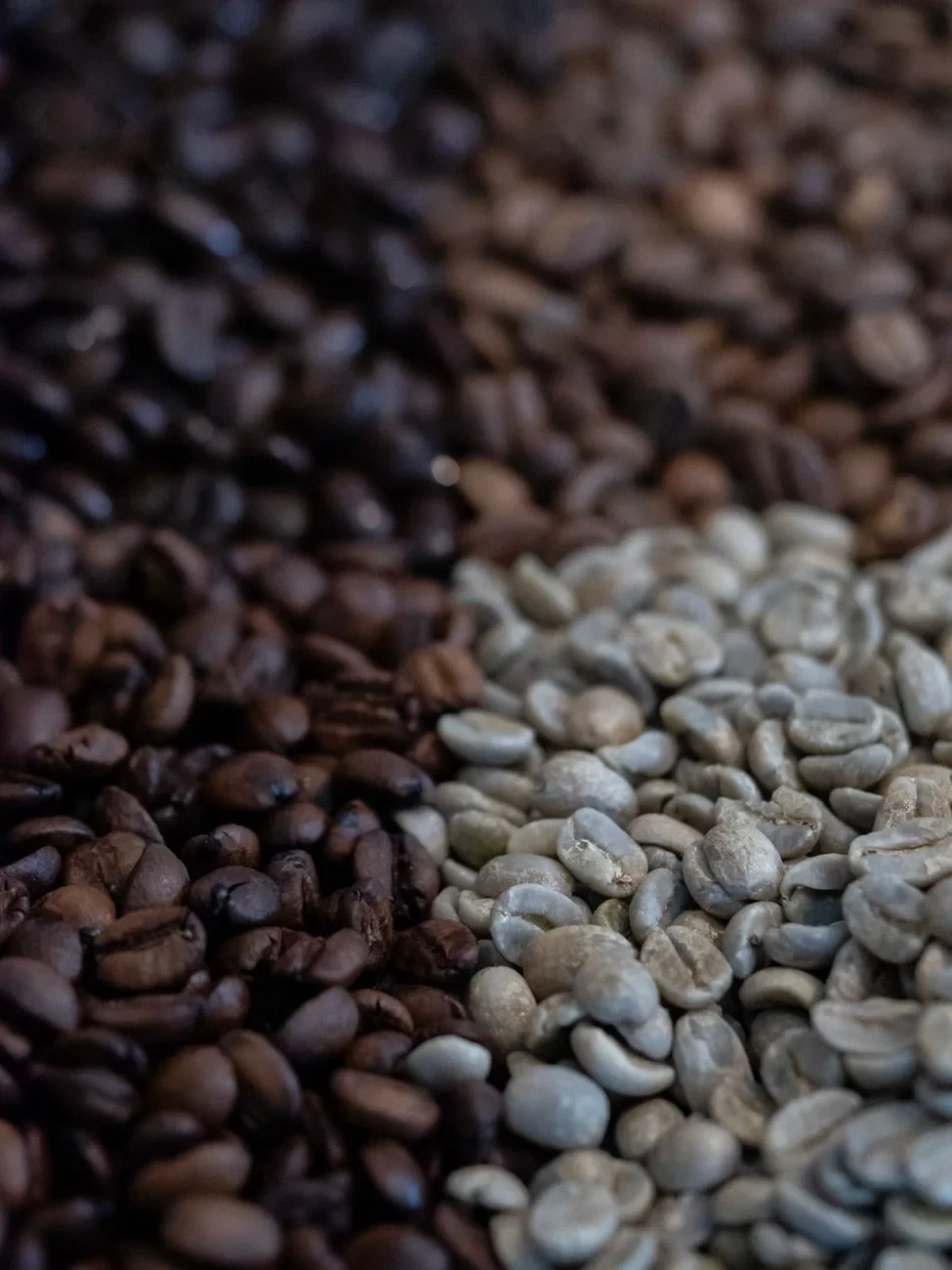
Coffee beans at different stages of roasting display the quiet transformation seeds undergo. Each level reveals new surface textures earned through heat and time.
Photograph by David Shayani, via Pexels.
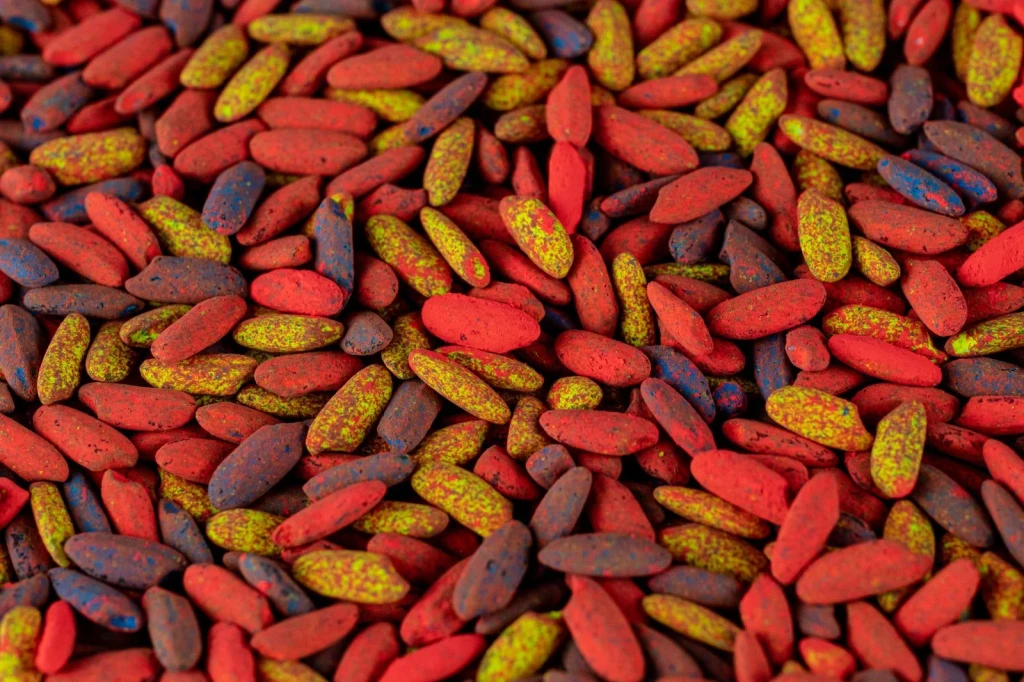
Textured, coated seeds in vivid detail. The coating itself is engineering: it aids in dispersal, protects the embryo, and waits for the right conditions.
Photograph by gusat silviu, via Pexels.
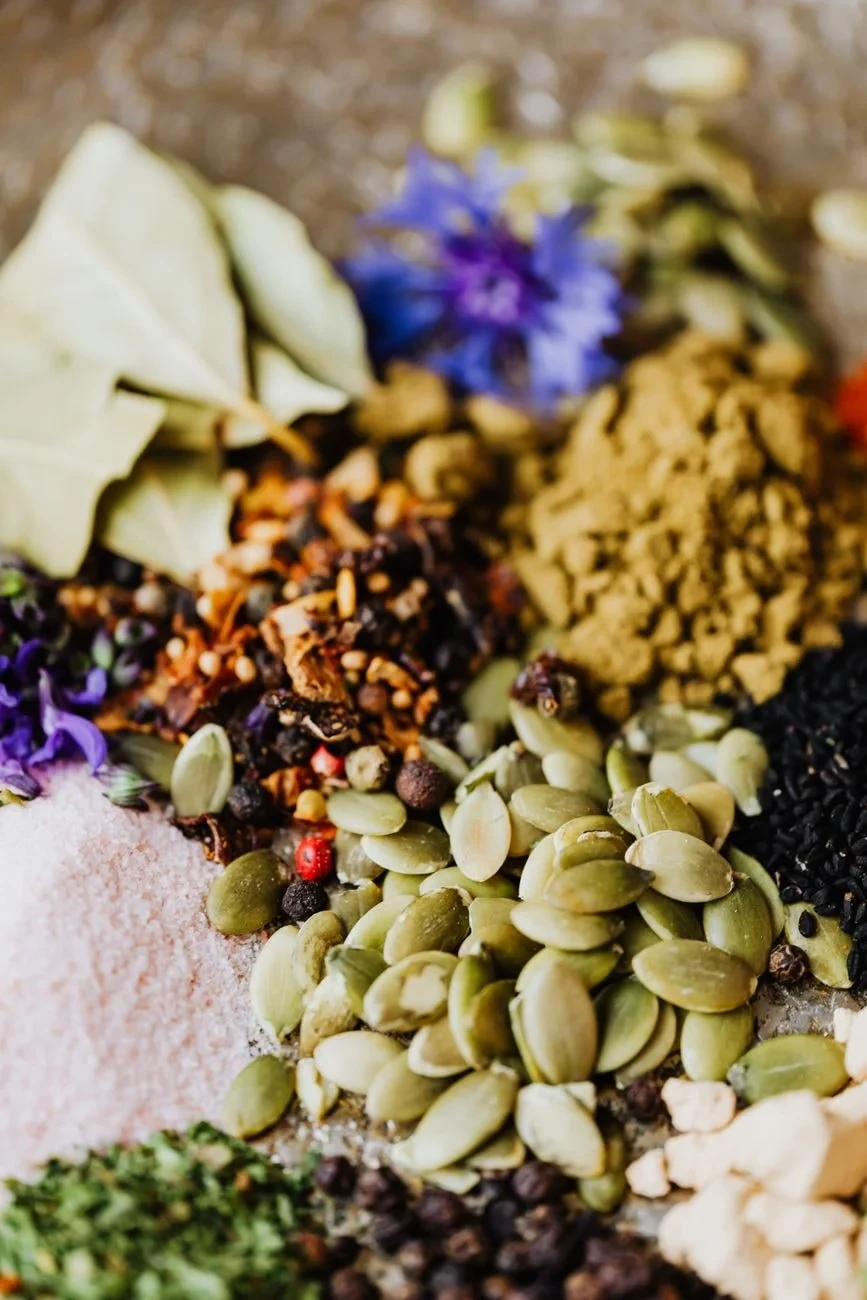
A colorful gathering of herbs, spices, and seeds. Each element represents a distinct design, engineered by nature into forms suited to survival and dispersal.
Photograph by www.kaboompics.com, via Pexels.
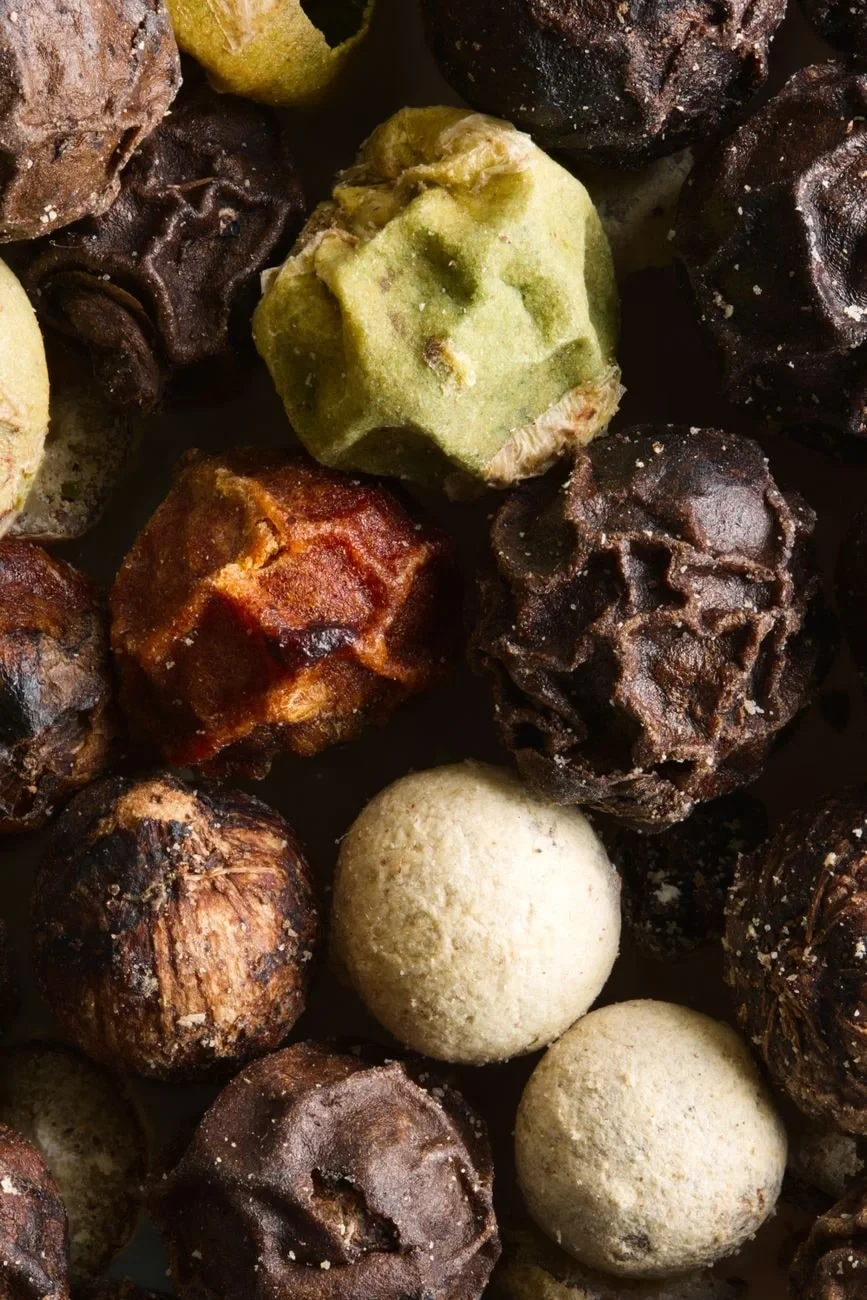
Textures and colors of various dried spices revealed in close focus. Seeds stripped of their growing purpose, yet their structures remain intricate and precise.
Photograph by Stepan Vrany, via Pexels.
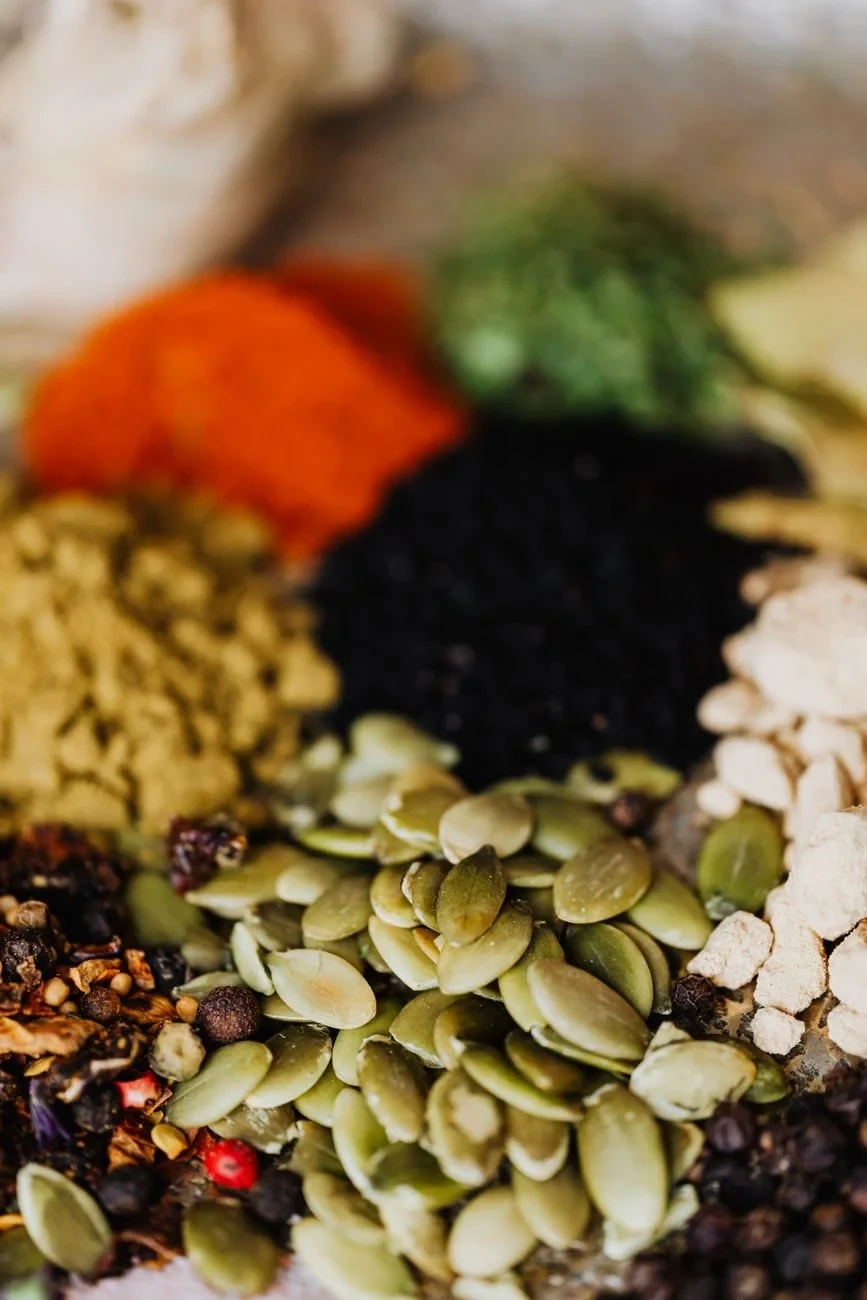
Close detail of assorted spices and seeds. Vivid colors and textures suggest how seeds move between domains: nourishment for plants, flavor for human kitchens.
Photograph by www.kaboompics.com, via Pexels.
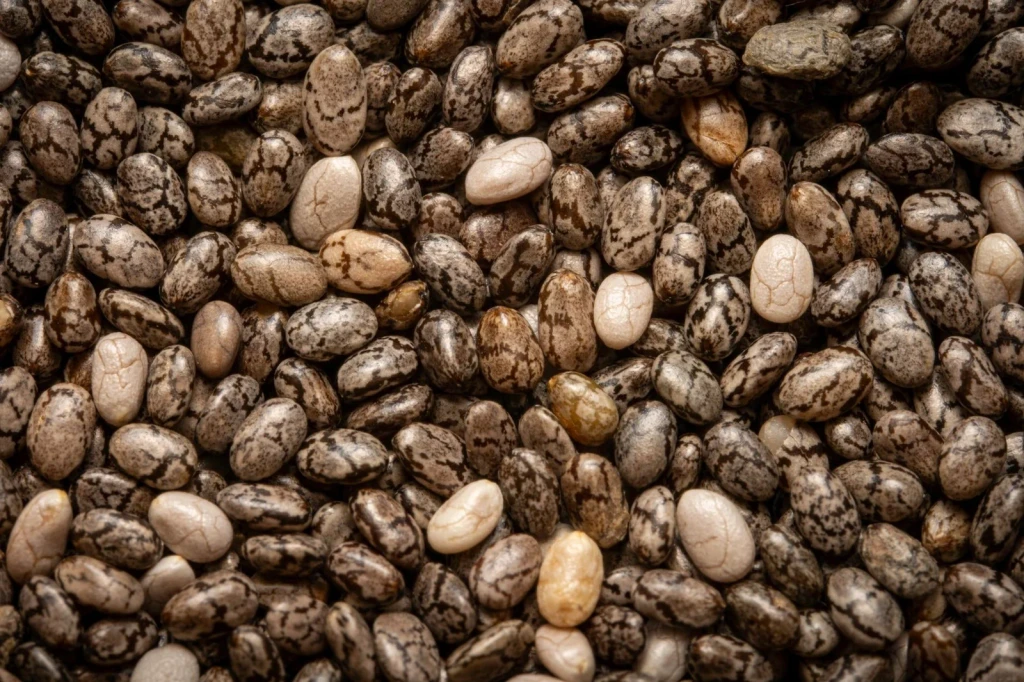
Black and white mottled beans in detailed close-up. The pattern on each surface is itself part of seed design. Texture and marking serve function as well as beauty.
Photograph by Raul Ling, via Pexels.
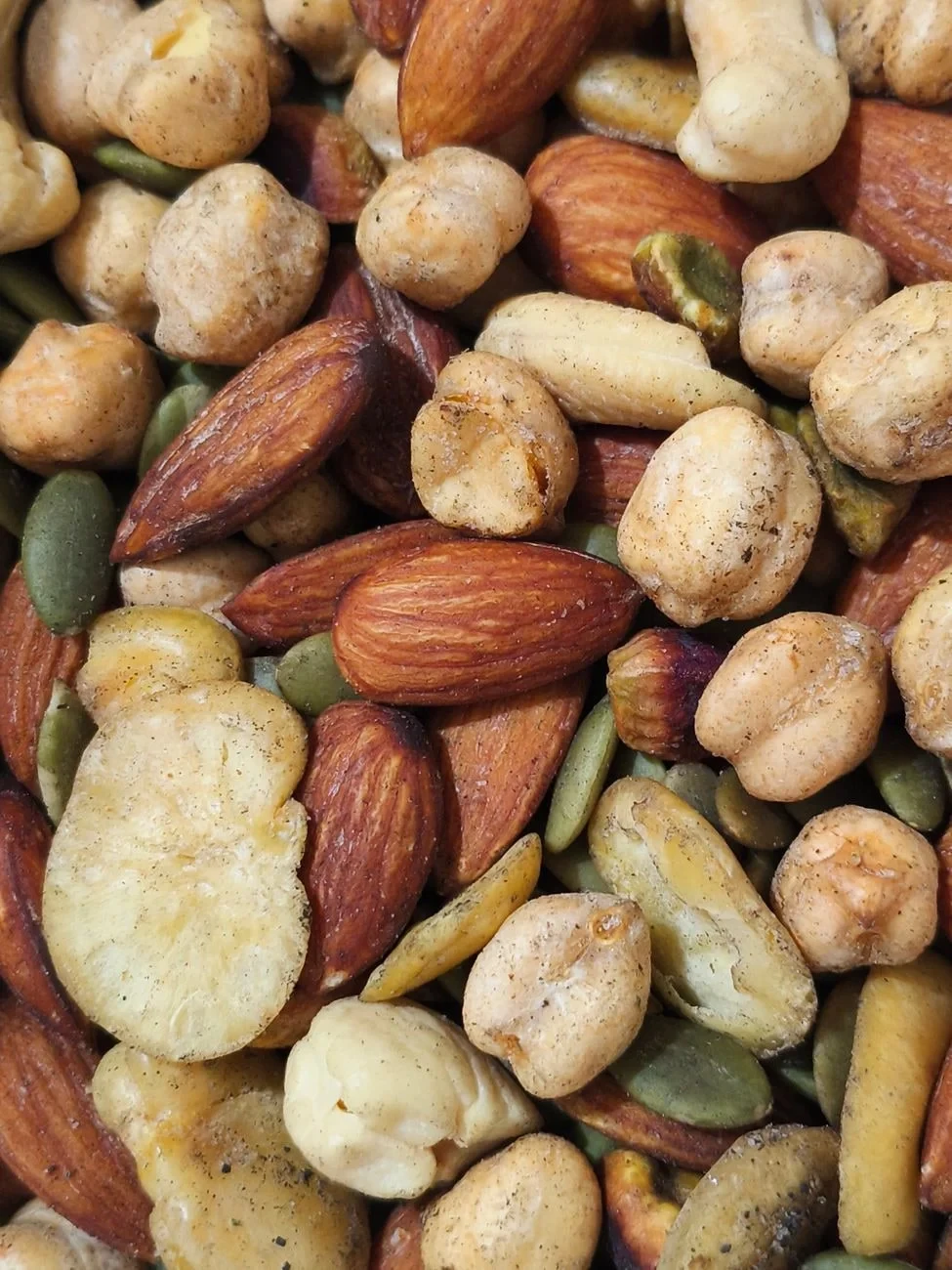
Almonds, cashews, and pumpkin seeds in close detail. Each demonstrates a different strategy: a hard shell, an curved form, a protective case.
Photograph by Rajani33, via Pexels.
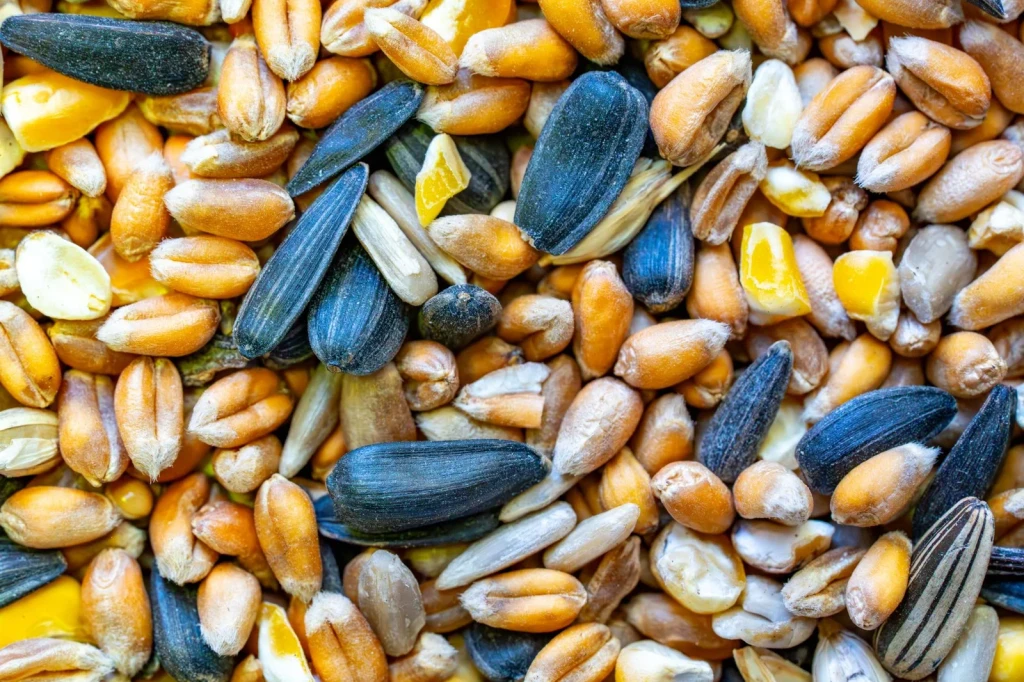
Mixed bird seeds in close focus. Sunflower, corn, and millet appear as distinct geometries. Each type reveals its own engineering for dispersal and germination.
Photograph by Just Jus, via Pexels.
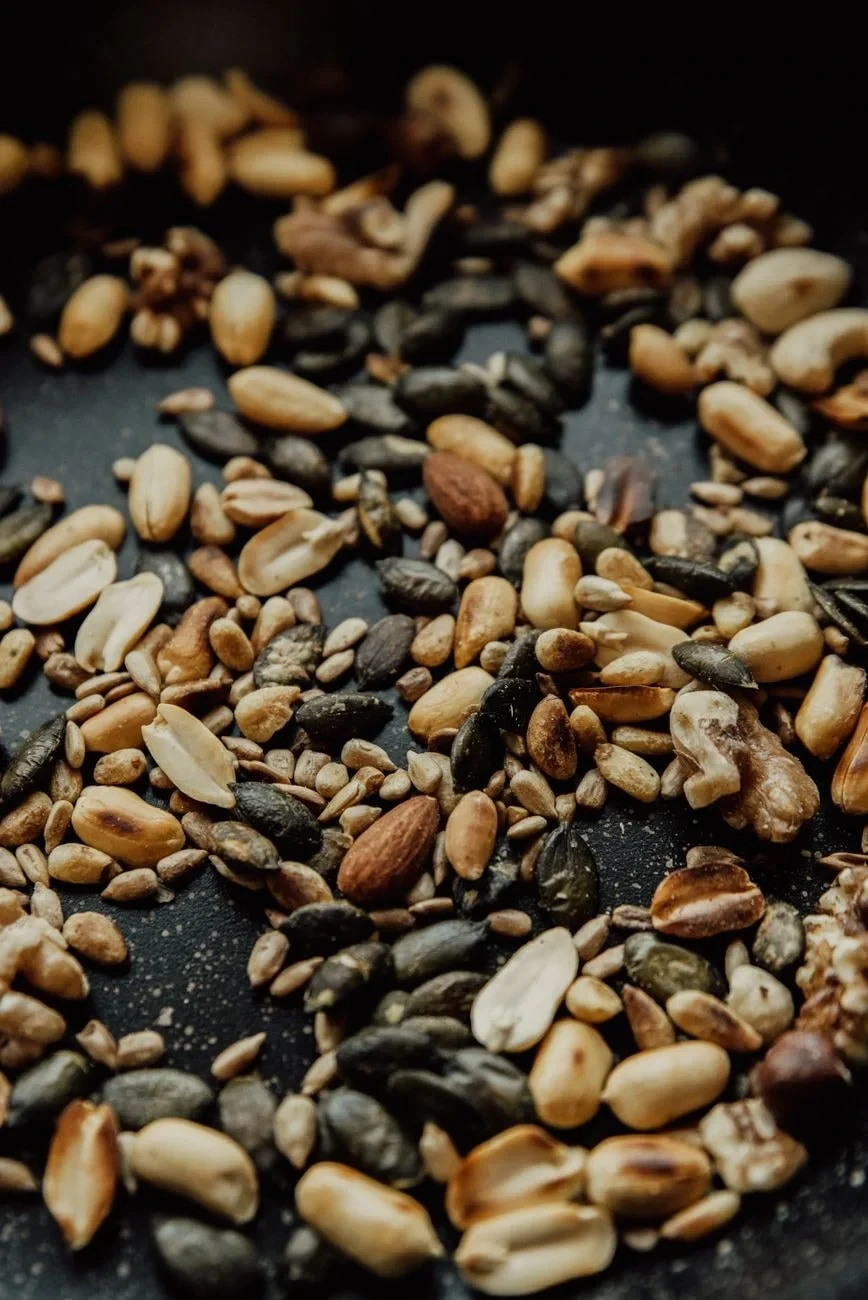
A culinary composition of roasted nuts and seeds. The photograph documents preparation and transformation. What seeds carry to plate is already engineered into their form.
Photograph by Alesia Kozik, via Pexels.
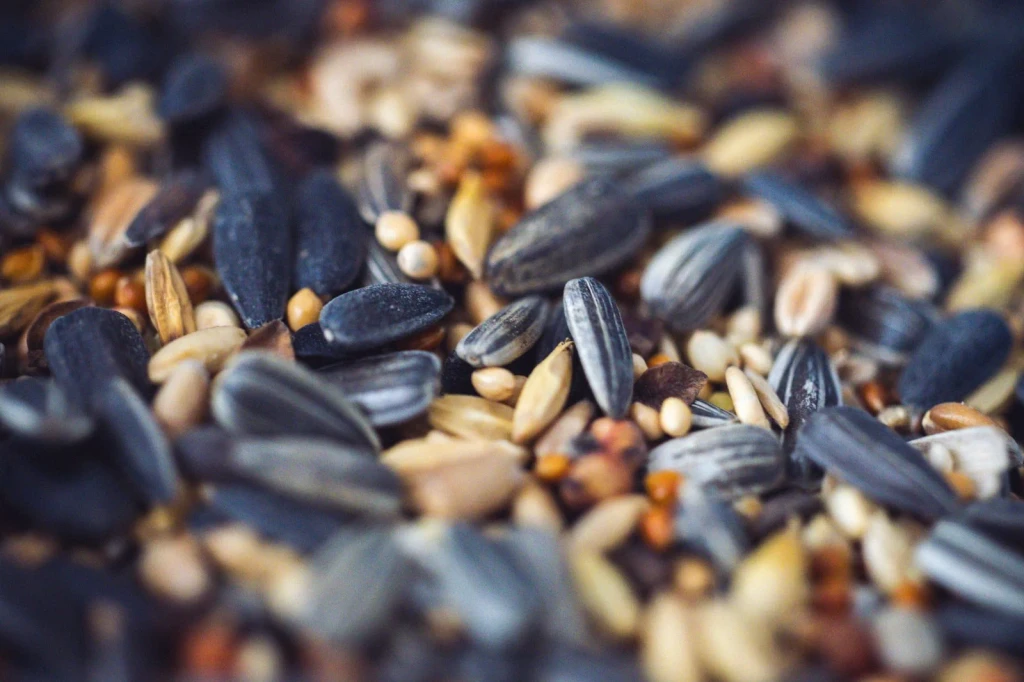
A macro view of sunflower and millet seeds. The photograph reveals the distinct forms that comprise bird feed, each seed a small vessel of engineered survival.
Photograph by Patrick, via Pexels.
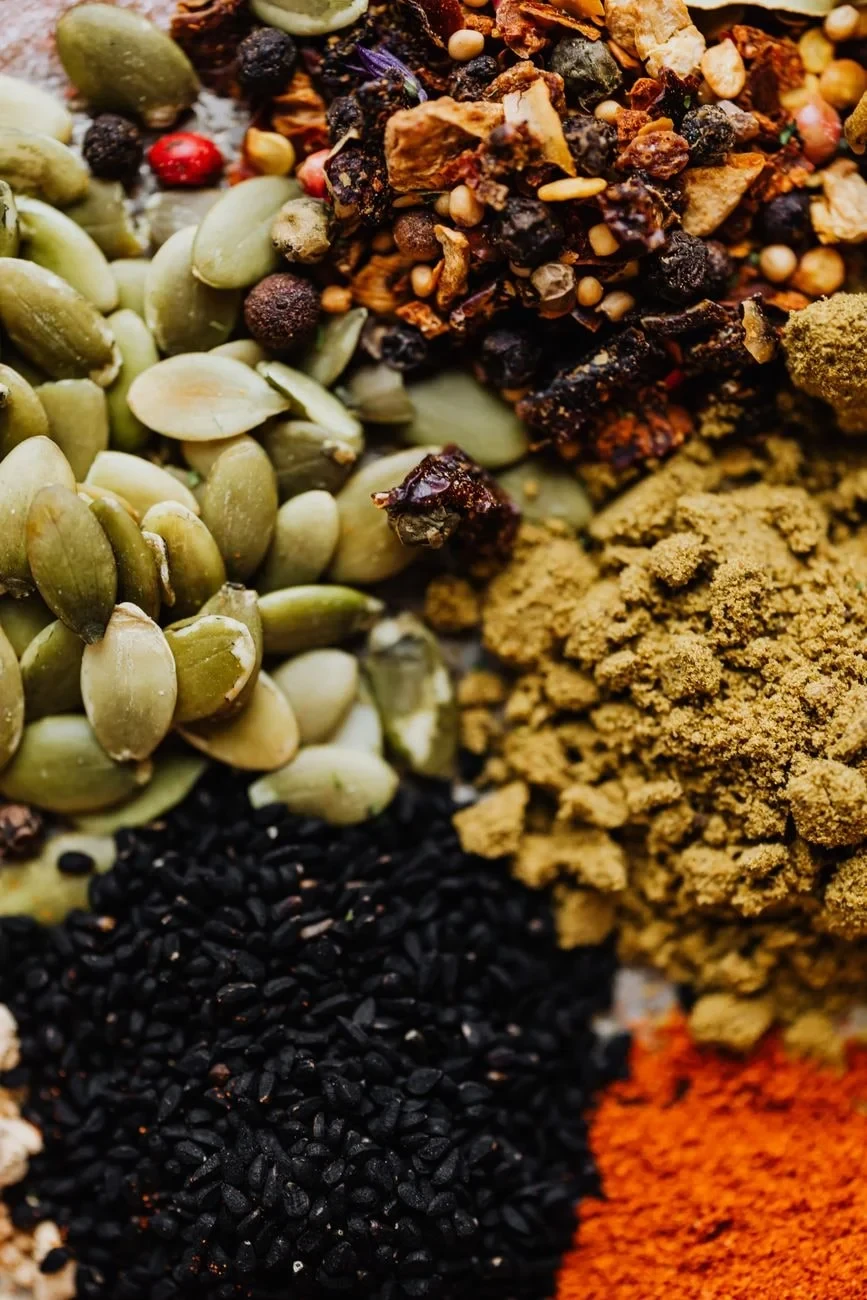
A vibrant arrangement of culinary seeds and spices. Their colors and patterns are not decoration but functional design, evolved across generations.
Photograph by www.kaboompics.com, via Pexels.
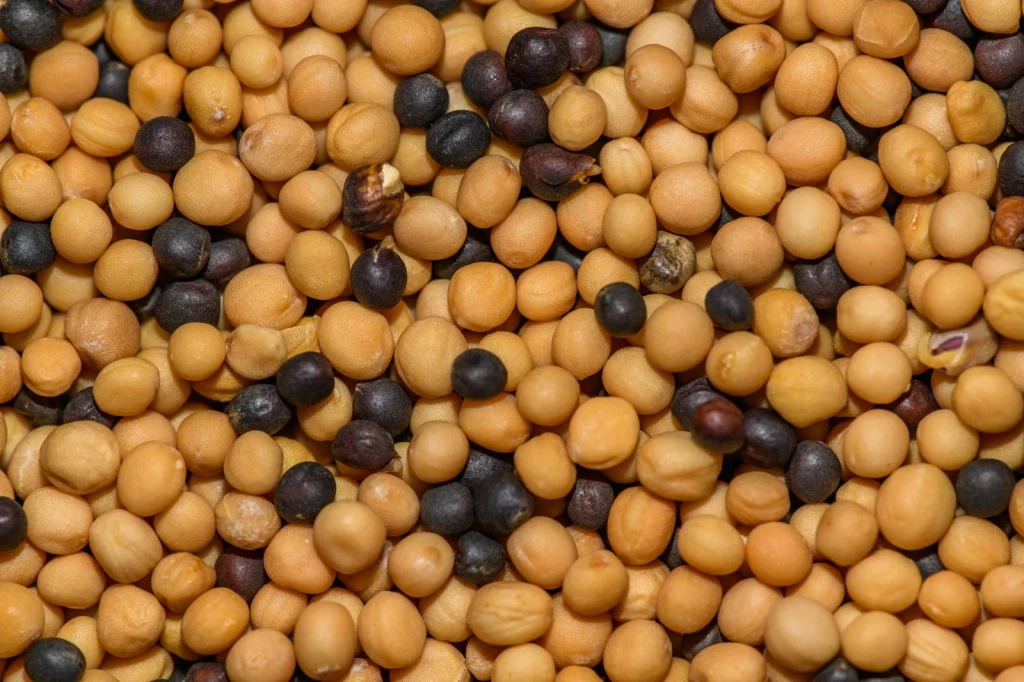
The intricate textures and varied hues of mustard seeds, magnified. Small as they are, each one contains the complete instructions for growth.
Photograph by Petr Ganaj, via Pexels.
