3D Gallery
Diamonds: Carbon Under Pressure
Enter gallery
Diamonds: Carbon Under Pressure is a 3D virtual gallery on MyGallery3D, a walkable online exhibition of 14 works. Step inside and explore it in your browser: no app, no headset.
This is a 3D virtual gallery of diamonds: walk into it in your browser and stand next to the hardest natural material there is.
A diamond is not stable. At room temperature and pressure the stable form of carbon is graphite, and every diamond is quietly on its way to becoming it, on a timescale of millions to billions of years. Most were made between 150 and 250 kilometres down, are between 1 and 3.5 billion years old, and reached the surface only because violent volcanic eruptions carried them up in kimberlite.
Even with modern tools, cutting and polishing a rough diamond destroys about 50% of its weight. Price jumps at round numbers, so cutters routinely accept worse proportions to keep a stone above one carat. The waste can be deliberate and enormous: the Koh-i-Noor was recut in the 18th century for English tastes, and almost 80 carats were lost.
The Cullinan came out of the ground in 1905 at 3,106 carats. Joseph Asscher spent four days cutting a groove 0.5 inches deep before he could cleave it in a single strike. A steel knife broke on the first attempt. Splitting and cutting the whole stone took eight months, with three people working 14 hours a day.
A diamond is worth a great deal for its weight, which makes it portable and comparatively easy to smuggle. Deep kimberlite mining needs capital and expertise; alluvial diamonds need only simple tools and control of the land, which is why armed groups favour them. In Sierra Leone, the Revolutionary United Front seized the mining areas and paid for its war with them.
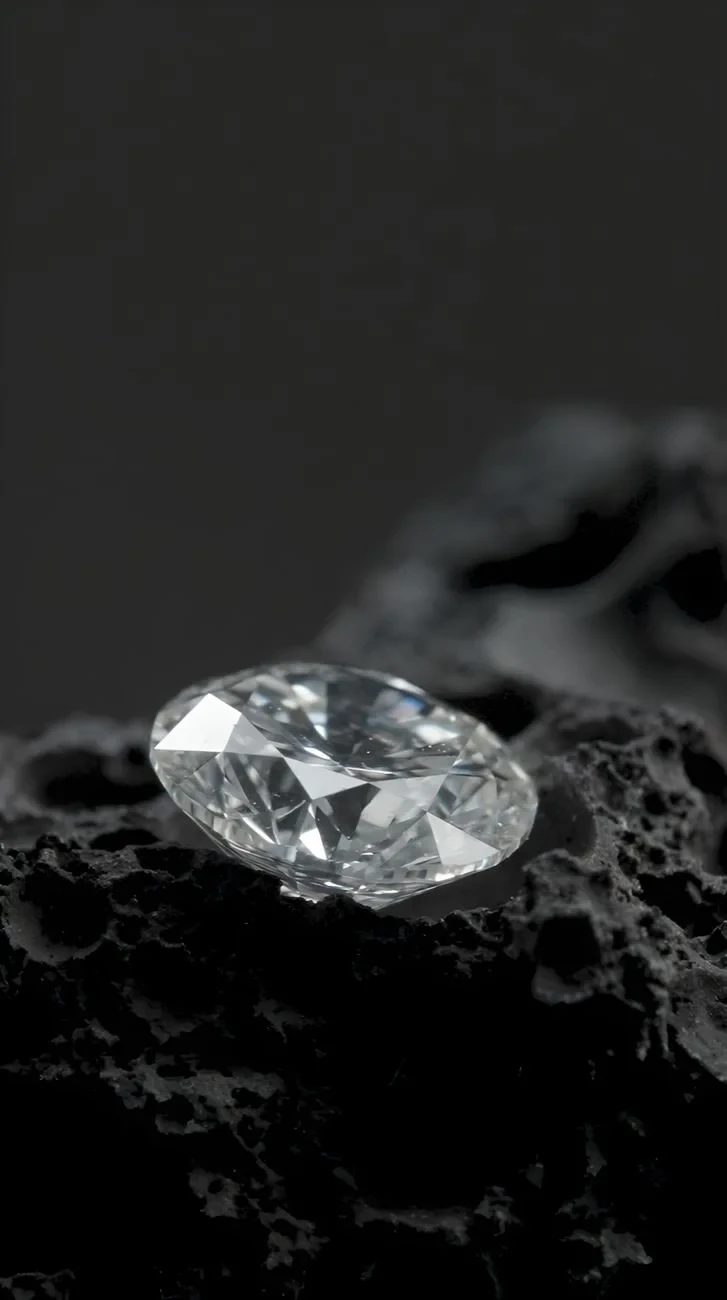
A single diamond rests on volcanic rock, juxtaposing refined brilliance against raw, rough geology. The composition speaks directly to the exhibition's central tension: carbon transformed by extreme pressure into something precious.
Photograph by fadel mk, via Pexels.
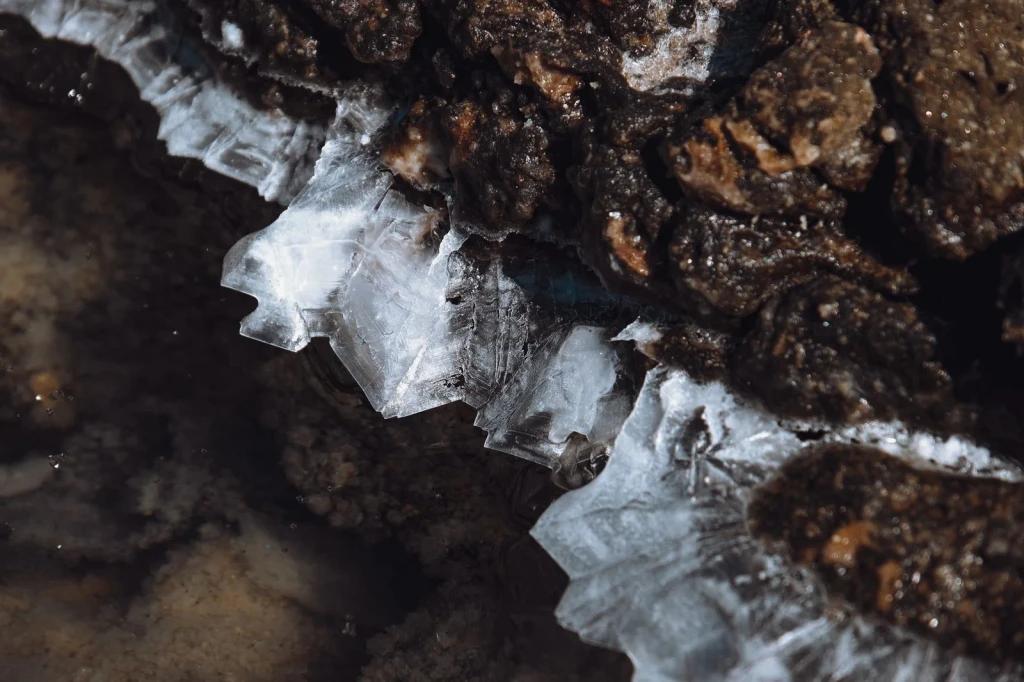
Winter creates its own crystalline structures on rough rock. A natural study in how pressure and cold shape mineral surfaces.
Photograph by Francesco Ungaro, via Pexels.
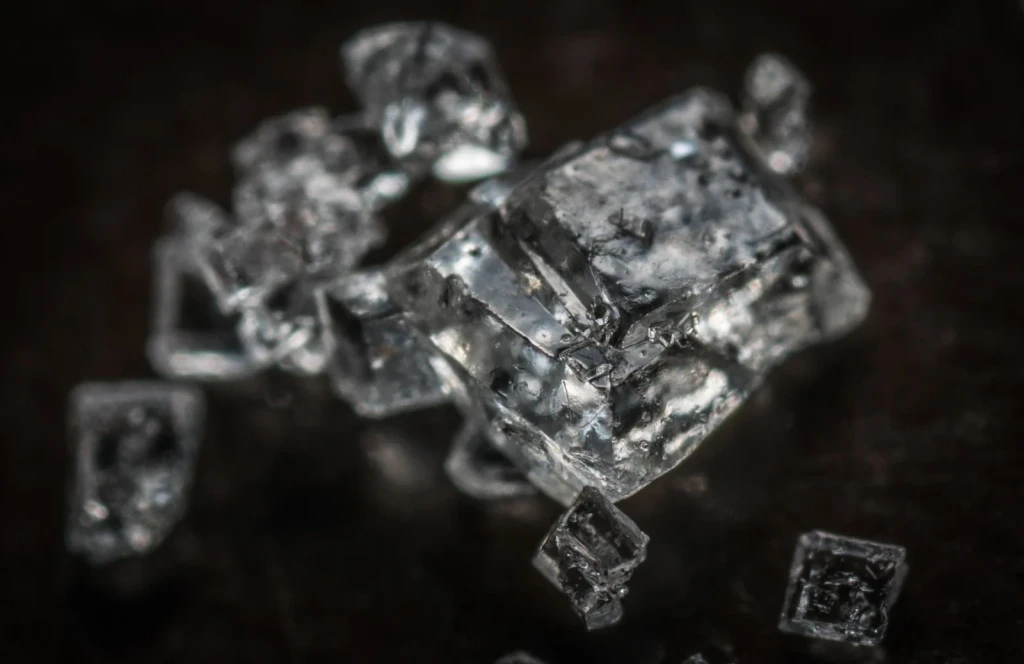
Clear cubes magnified to reveal their structure and surface detail. The macro lens exposes the ordered, geometric nature of pressurized carbon.
Photograph by Egor Kamelev, via Pexels.
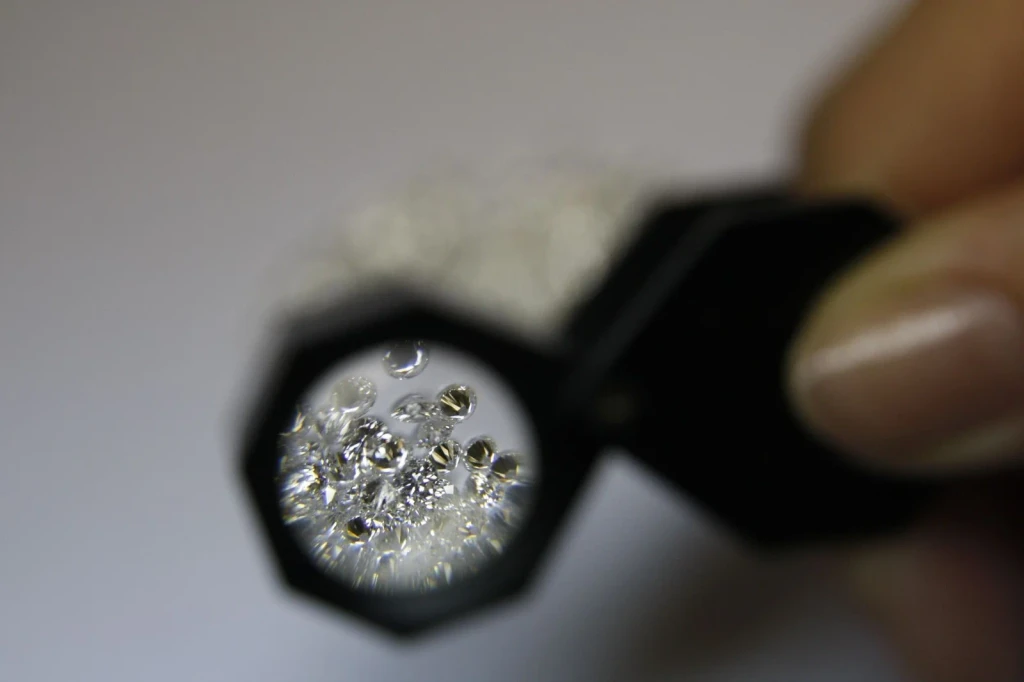
A jeweler inspects diamonds through magnification in the workshop. This image documents the human skill required to assess gems shaped by immense geological pressure.
Photograph by Plato Terentev, via Pexels.
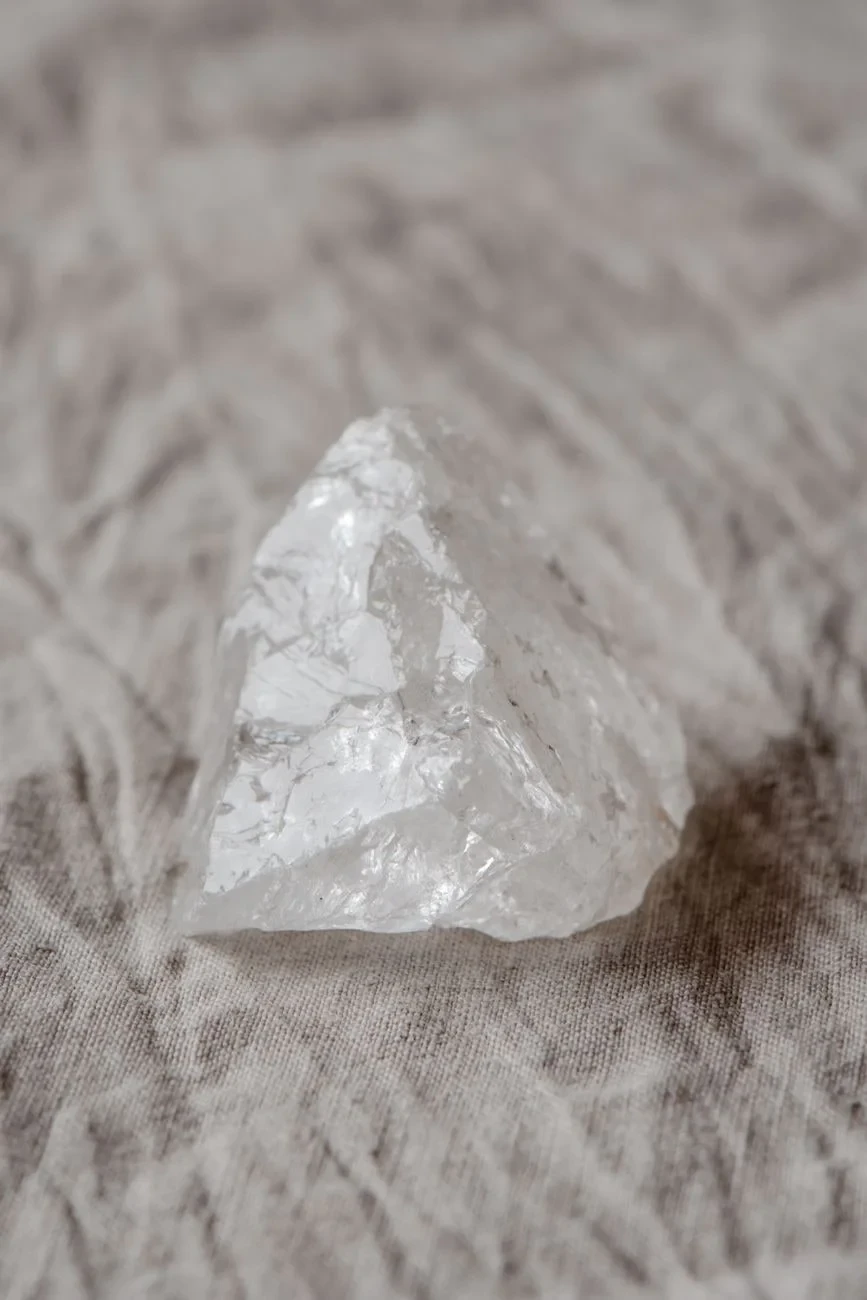
A rough crystal rests against fabric texture. Unpolished and natural, it shows carbon and minerals in their unrefined state, before pressure transforms them into gems.
Photograph by Eva Bronzini, via Pexels.
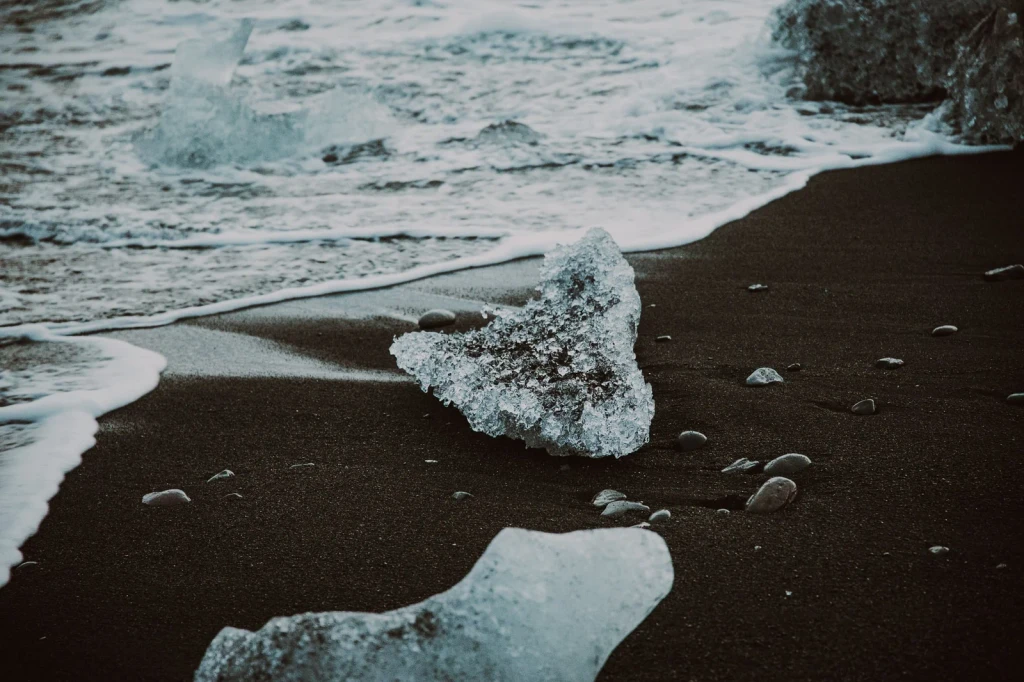
Light and dark converge in this surreal seascape. The image explores how pressure shapes landscapes. Ice and volcanic rock, both born from extreme forces, meet at the shore.
Photograph by Arkadiusz Kantor, via Pexels.
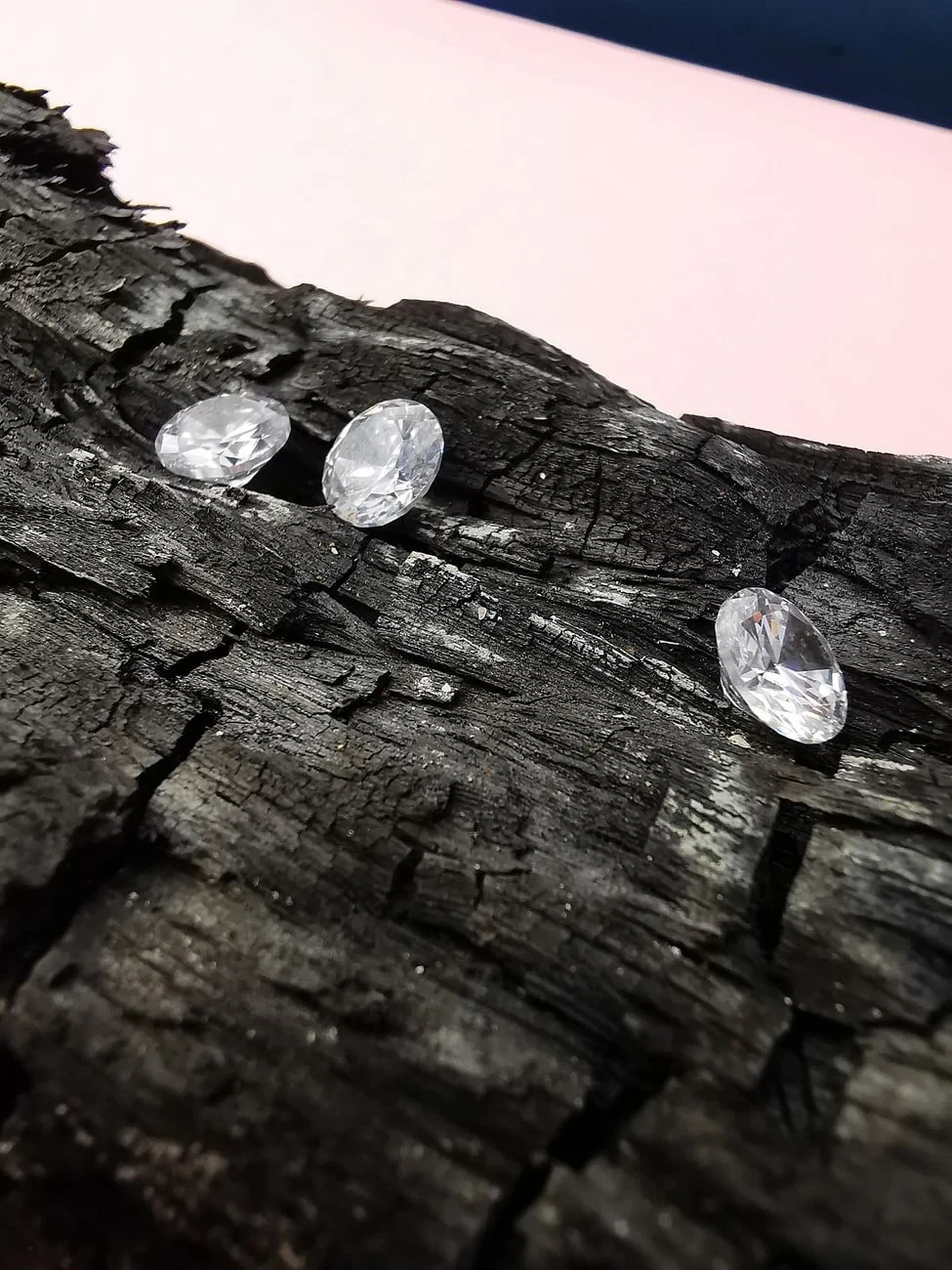
Three gemstones sit against charcoal, their brightness set against dark. A simple composition that emphasizes the visual contrast between gems and their surroundings.
Photograph by Karen Laårk Boshoff, via Pexels.
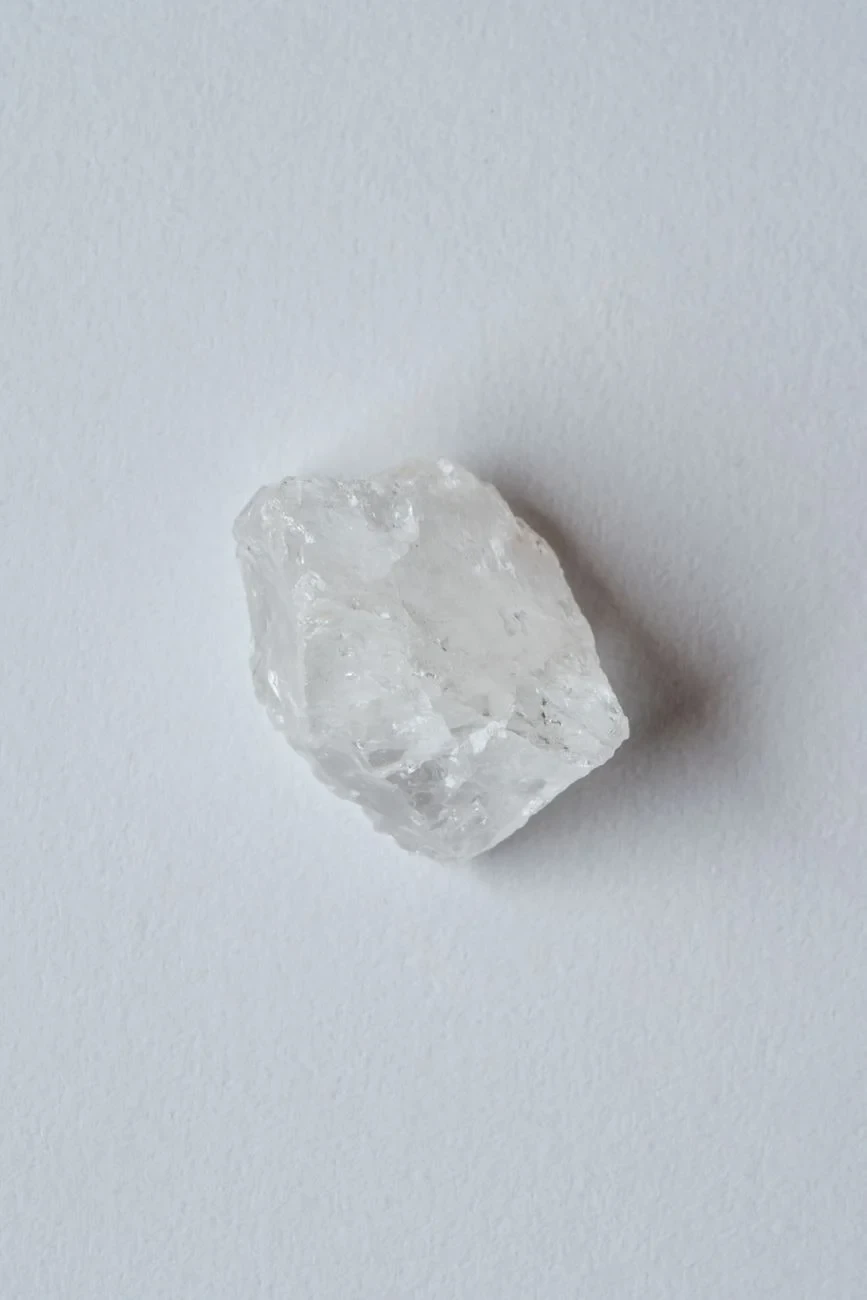
Raw crystal lies on white, exactly as nature formed it. Before cutting, before pressure is released into brilliance, here is the material in its honest state.
Photograph by Eva Bronzini, via Pexels.
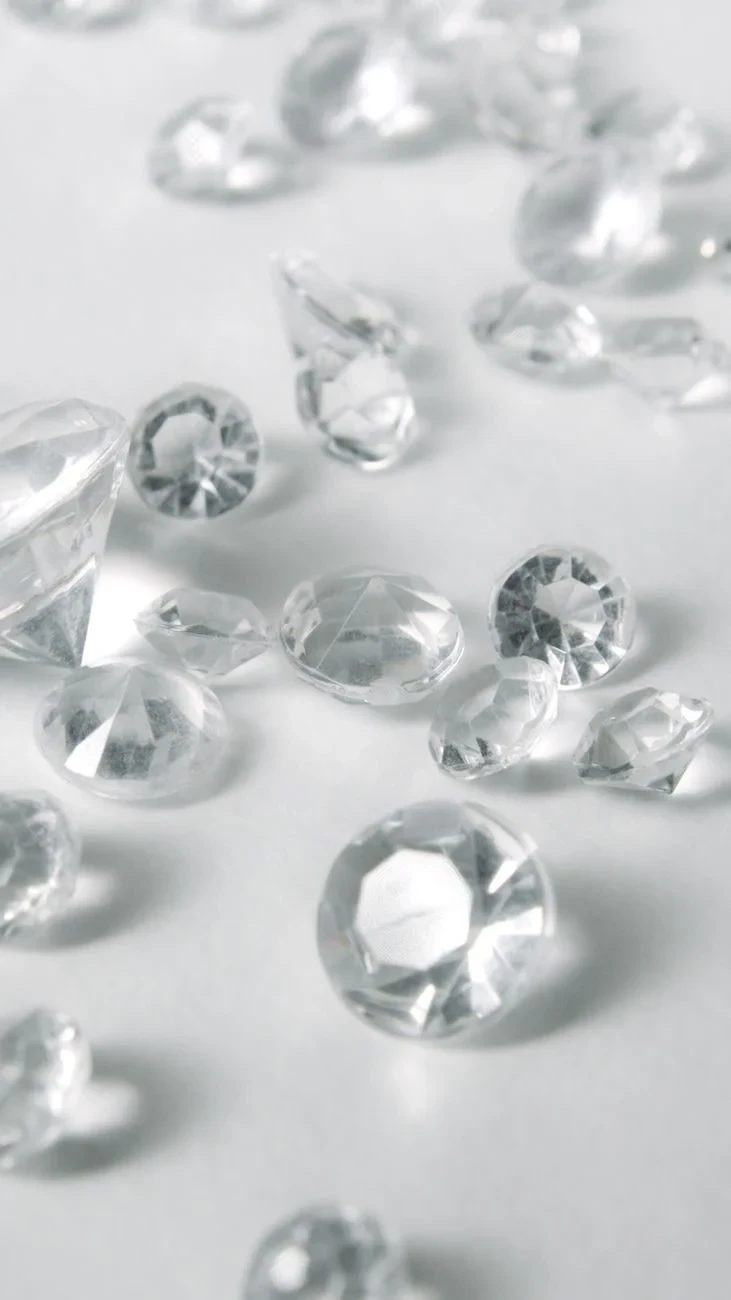
Multiple faceted gemstones catch light on a clean surface. This study of refraction and luminosity demonstrates how pressure reshapes carbon into forms that scatter and amplify light.
Photograph by Hanna Pad, via Pexels.
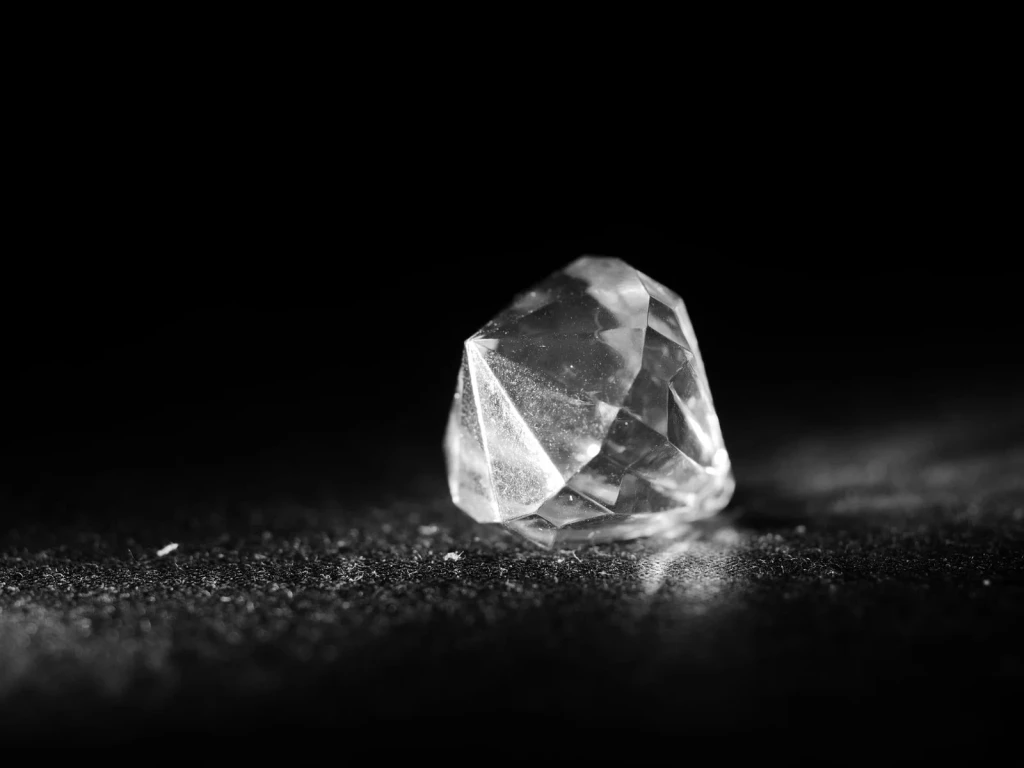
A single diamond's facets and clarity emerge from darkness. The photograph isolates one stone to show how pressure creates surfaces that catch and hold light.
Photograph by Rūdolfs Klintsons, via Pexels.
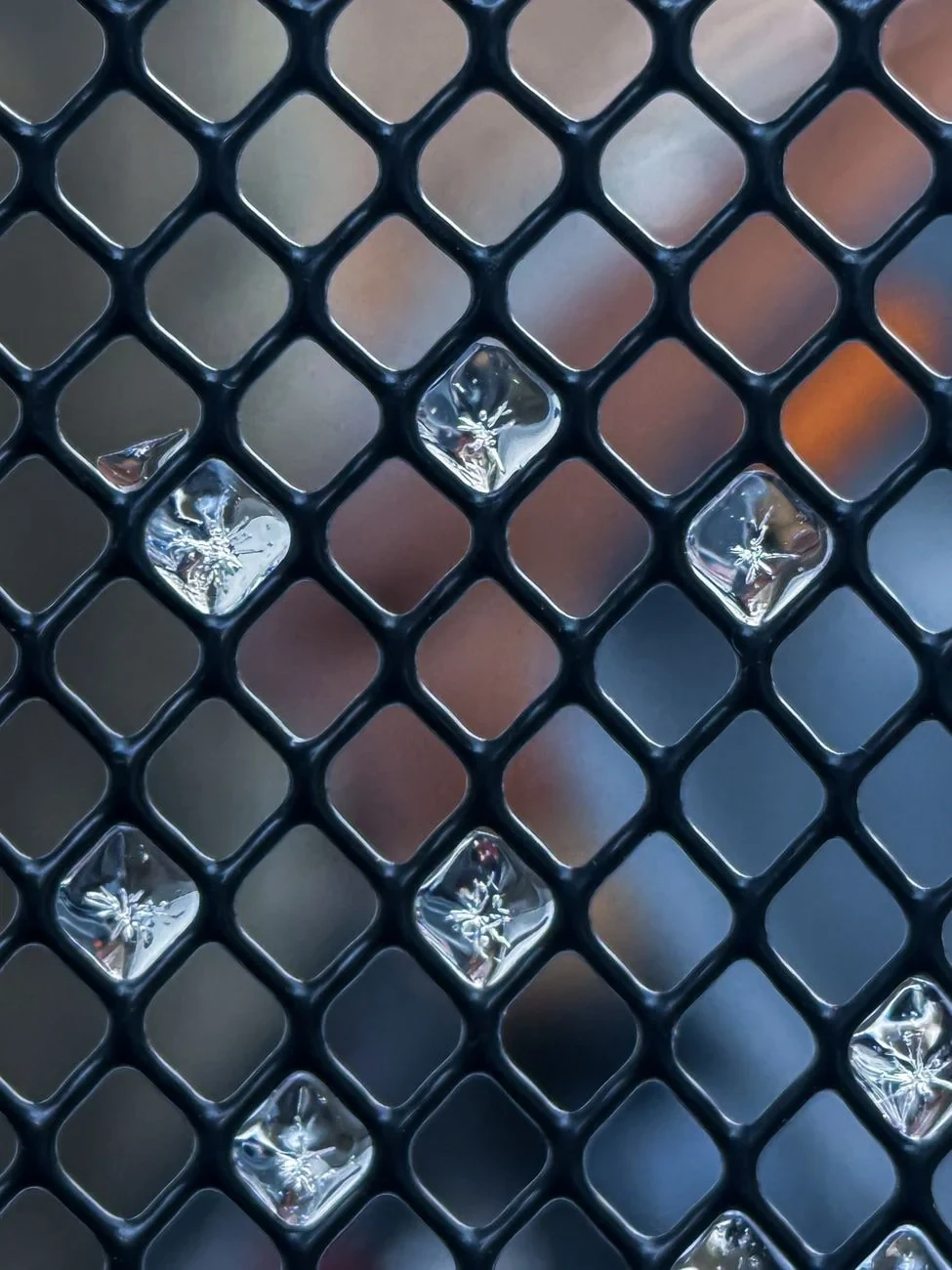
Crystallized frost forms delicate geometric patterns. Ice crystals demonstrate how pressure and cold create structured beauty from simple water vapor.
Photograph by Valter Biscaia Filho, via Pexels.
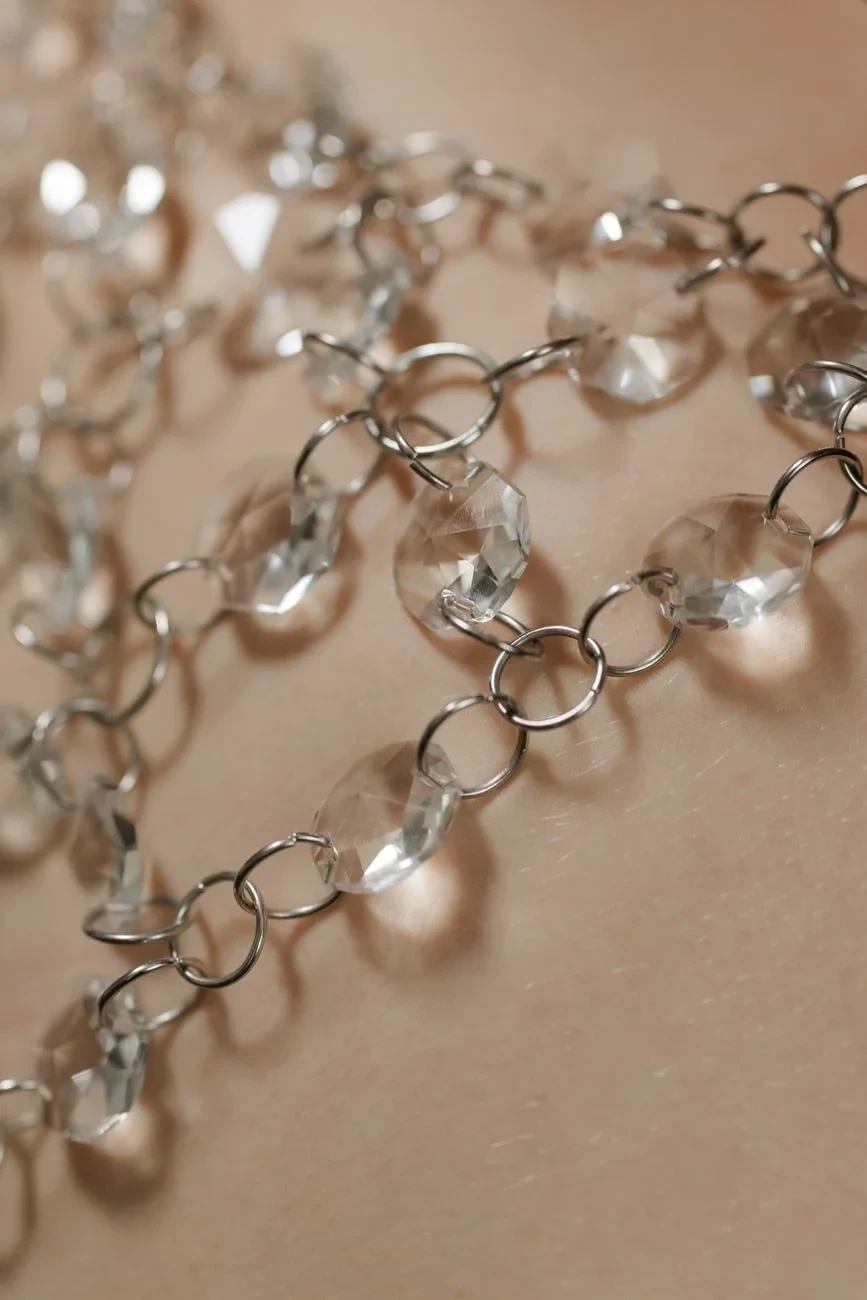
A crystal chain in close detail. The photograph focuses on the intricate work that binds individual stones into a unified form.
Photograph by cottonbro studio, via Pexels.
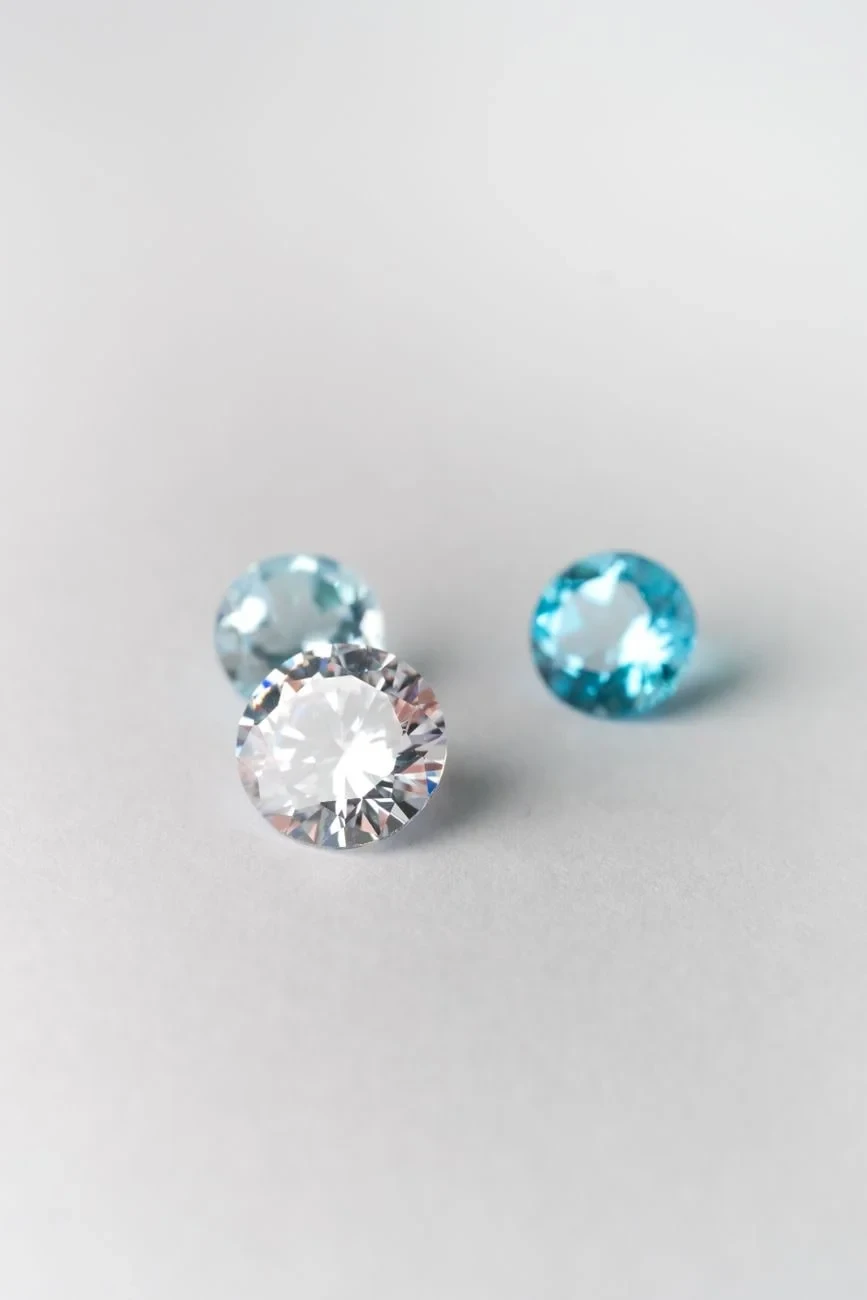
Sparkling gemstones rest on white, their brilliance captured in close detail. The photograph explores how light transforms carbon under pressure into visual radiance.
Photograph by Jimmy Chan, via Pexels.
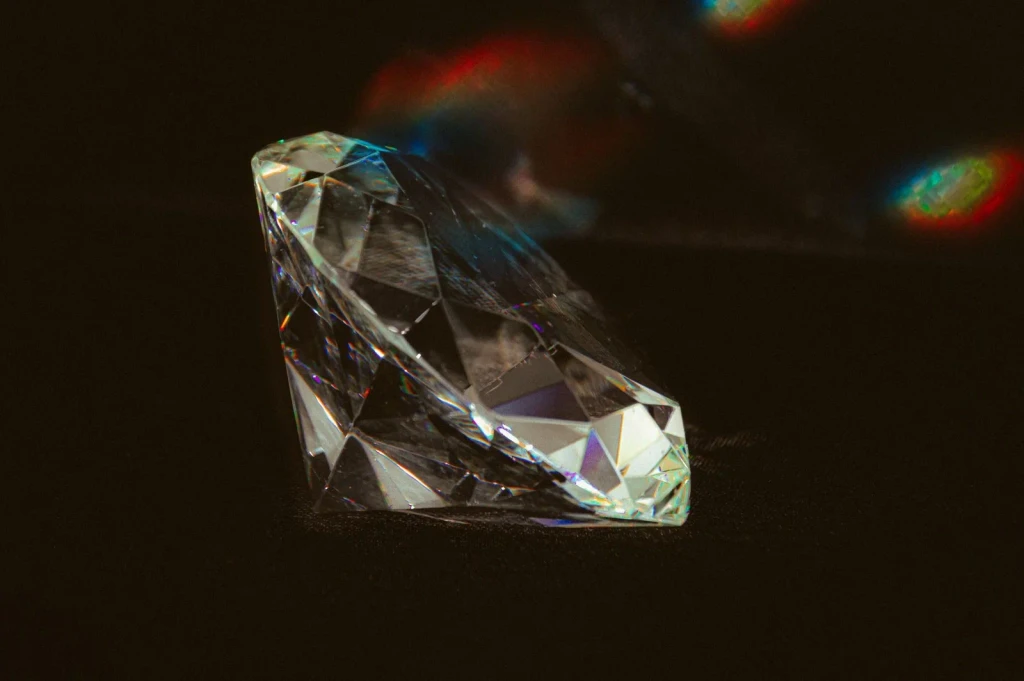
A polished diamond catches light in prismatic reflections. Here is carbon transformed by extreme pressure into something that bends and scatters light itself.
Photograph by Lany-Jade Mondou, via Pexels.
