3D Gallery
Why Honey Never Spoils
Enter gallery
Why Honey Never Spoils is a 3D virtual gallery on MyGallery3D, a walkable online exhibition of 13 works. Step inside and explore it in your browser: no app, no headset.
Walk through this 3D virtual museum of honey in your browser, and look closely at what is actually in the jar.
Honey does not spoil. Bees dry nectar down to a water content between 15.5% and 18%, so concentrated that almost nothing can live in it, then seal it under wax. A bee's honey stomach holds about 40 mg, and filling it can take visits to more than one thousand flowers. People have wanted it for a very long time: cave paintings at Cuevas de la Araña in Spain show honey foragers at least 8,000 years ago.
Two things keep honey edible. The sugar is so concentrated that microorganisms cannot pull water out of it, and an enzyme the bees add, glucose oxidase, leaves behind gluconic acid and hydrogen peroxide. The result is acidic and hostile to bacteria. Kept dry, honey has an indefinite shelf life. Let it draw moisture from the air and it will ferment.
Beekeepers calm a hive with smoke, which triggers a feeding instinct and obscures the pheromones bees use to talk to one another. A hive yields about 29 kilograms in a year. Before removable frames, the harvest often meant destroying the colony and replacing it the next spring, so the frame is as much a mercy as a machine.
Nectar arrives at the hive at 70 to 80% water. Hive bees pass it mouth to mouth, forming bubbles between their mandibles that spread it thin, and beat their wings to move warm air across the comb. The hive sits near 35 degrees. Water leaves, sugar concentrates, and only then is the cell capped with wax.
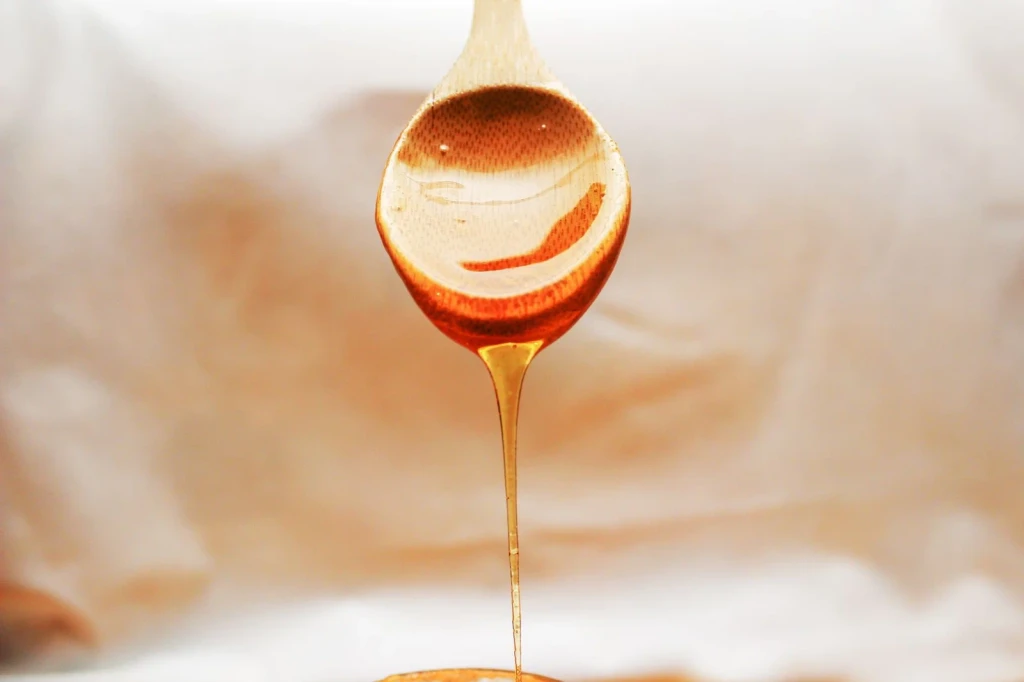
A wooden spoon becomes the vessel for honey's warmth. The still life setup frames honey as something inviting, intimate, and timelessly present.
Photograph by Pixabay, via Pexels.
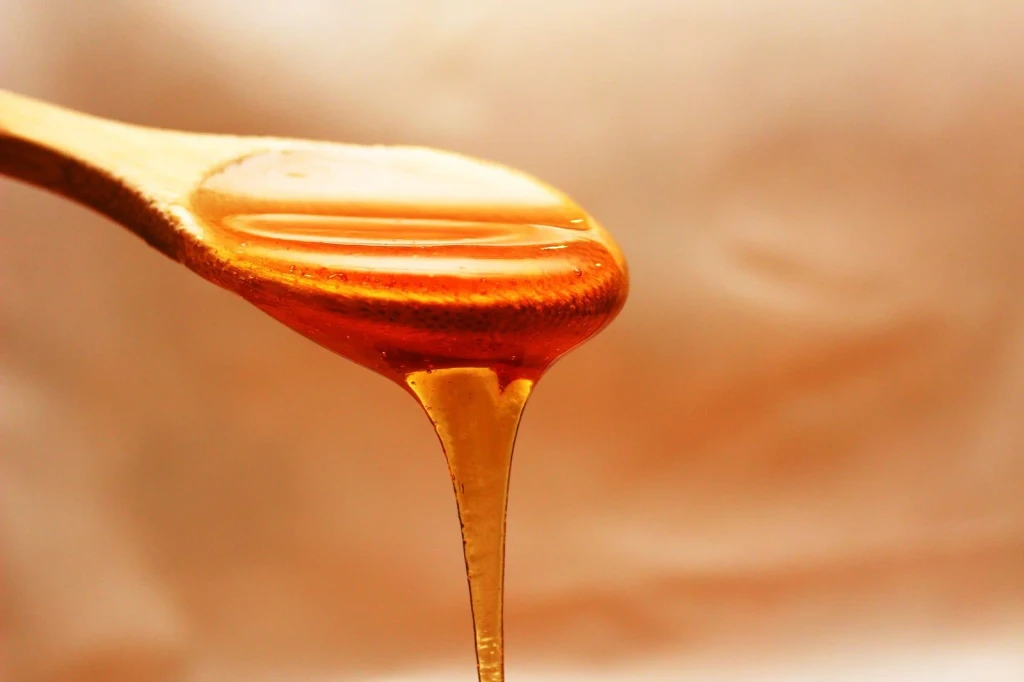
Close and detailed, this drip exposes honey's actual surface. The photograph shows us what durability looks like: thick, rich, visibly substantial.
Photograph by Pixabay, via Pexels.
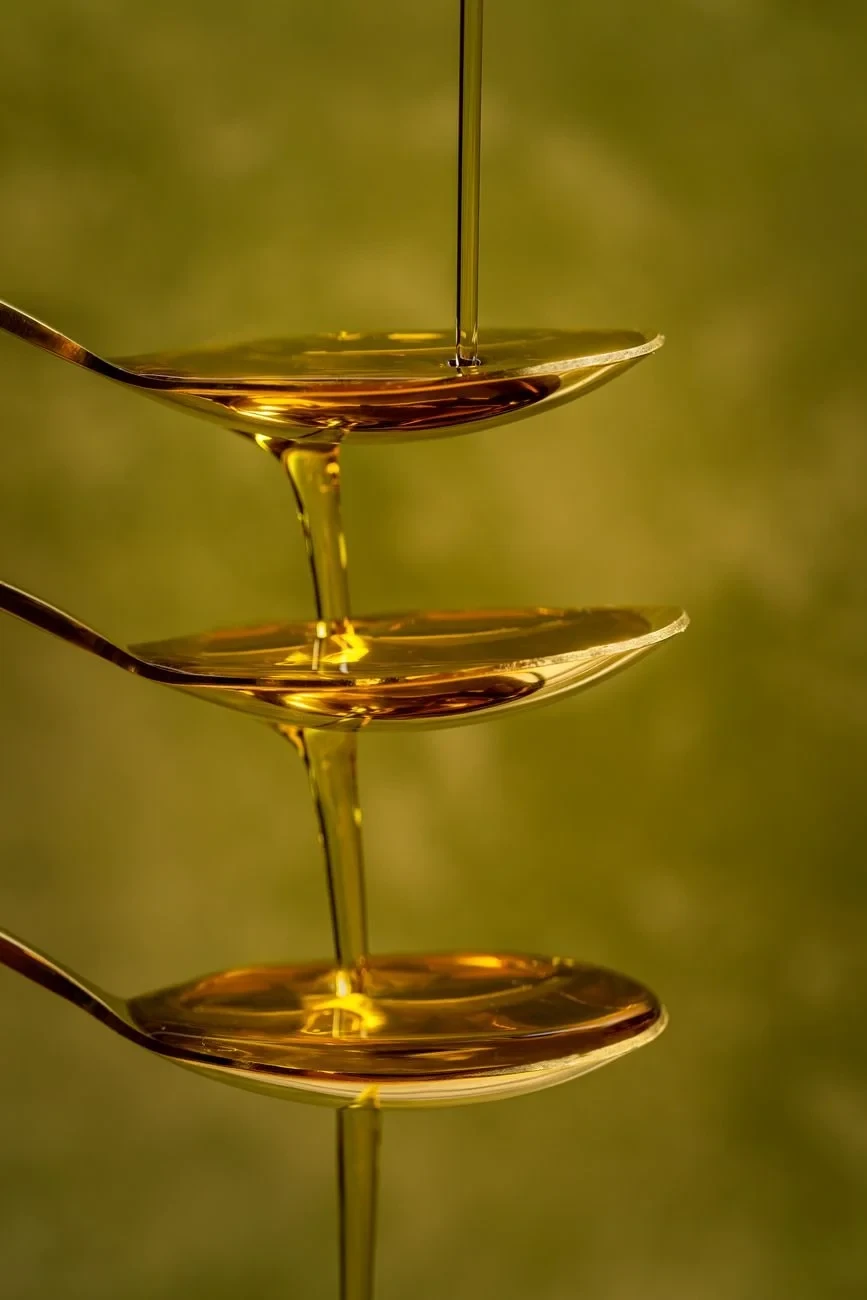
Honey pours over stacked spoons against green. The composition plays with the substance's weight and flow in an arrangement that celebrates its properties.
Photograph by Skyler Ewing, via Pexels.
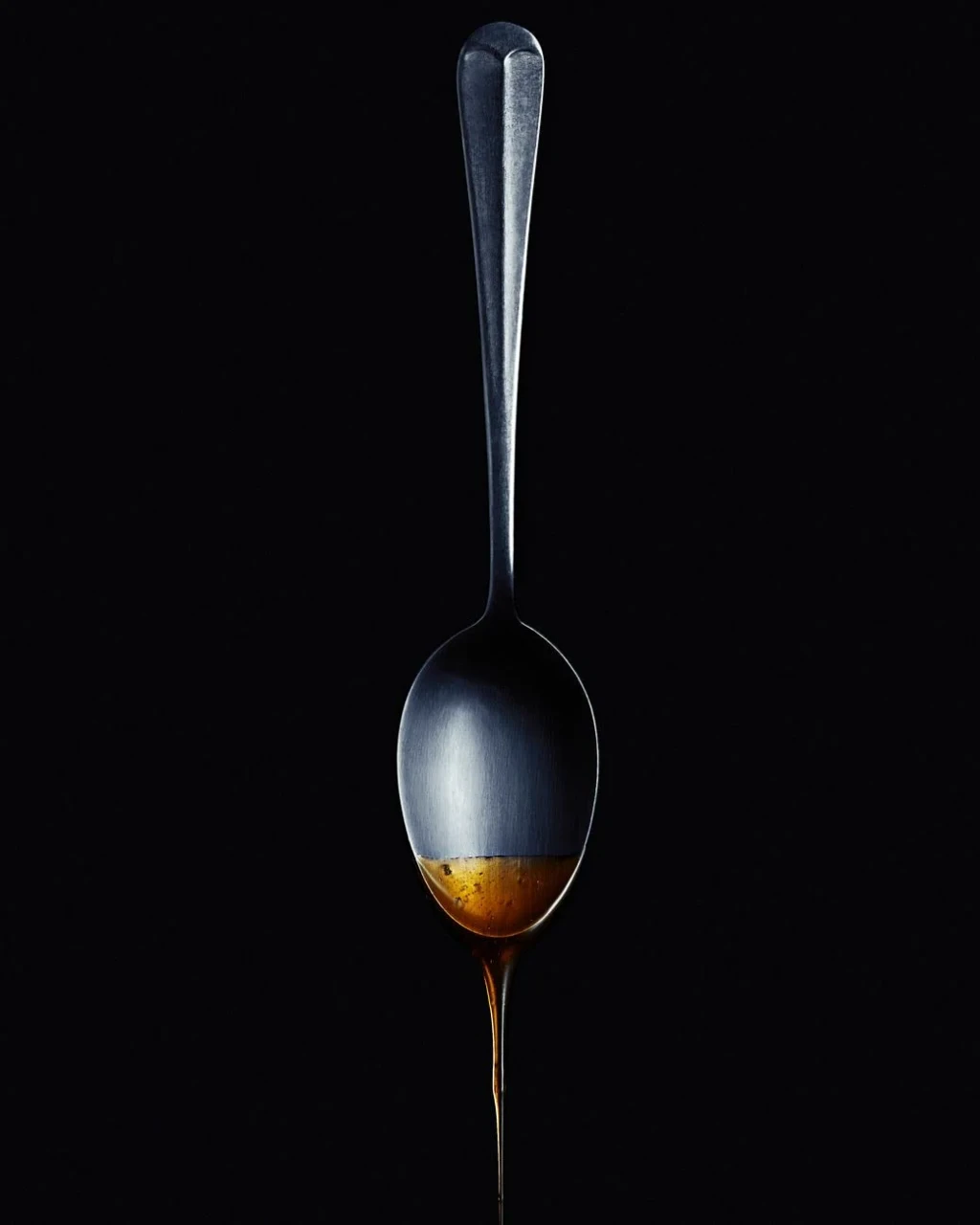
Honey drips from a spoon in stark relief against black. The visual drama emphasizes the substance's defining characteristic: its slow, controlled movement.
Photograph by Yeager Anderson, via Pexels.
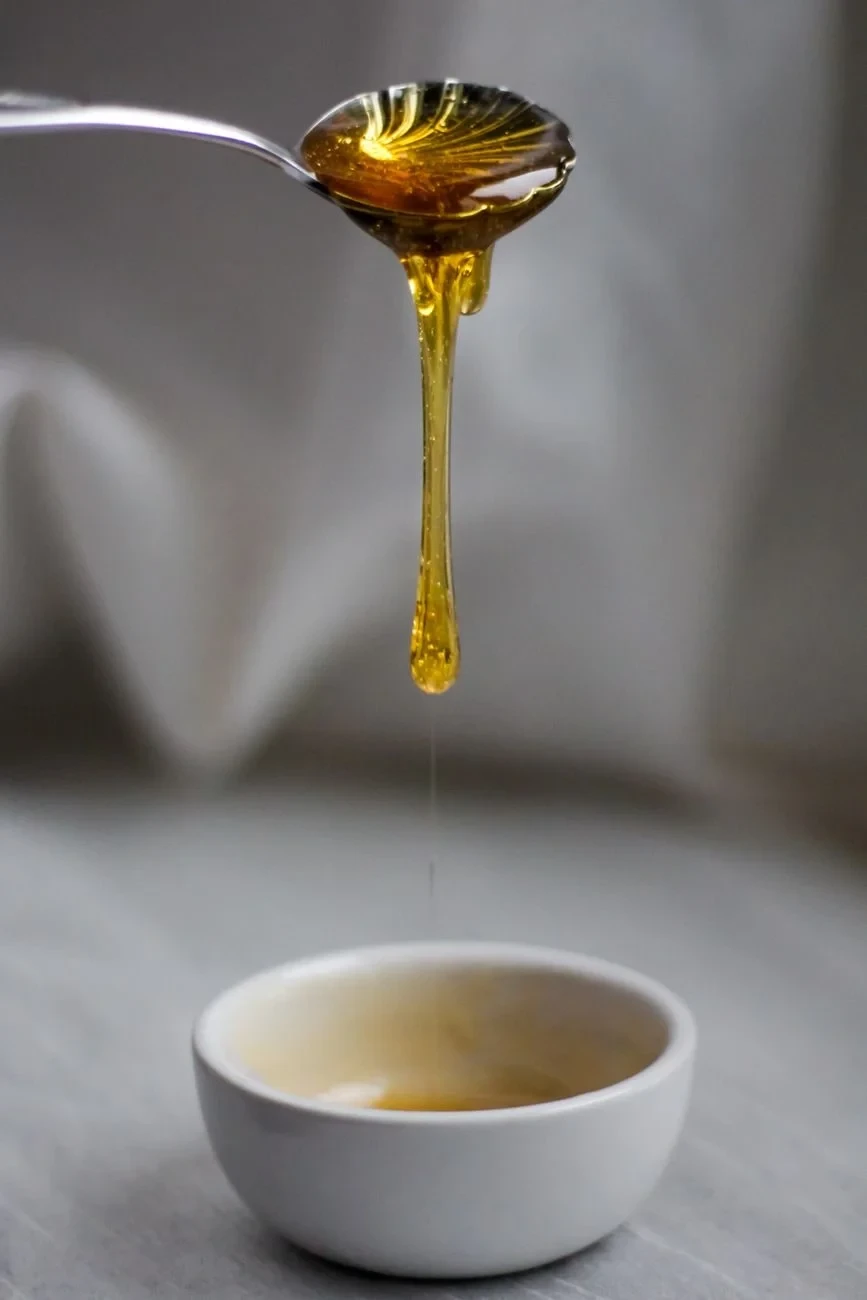
Honey drips downward into a waiting vessel, caught in soft light. The image shows transformation in motion, yet honey remains fundamentally itself.
Photograph by Ramby Magnaye, via Pexels.
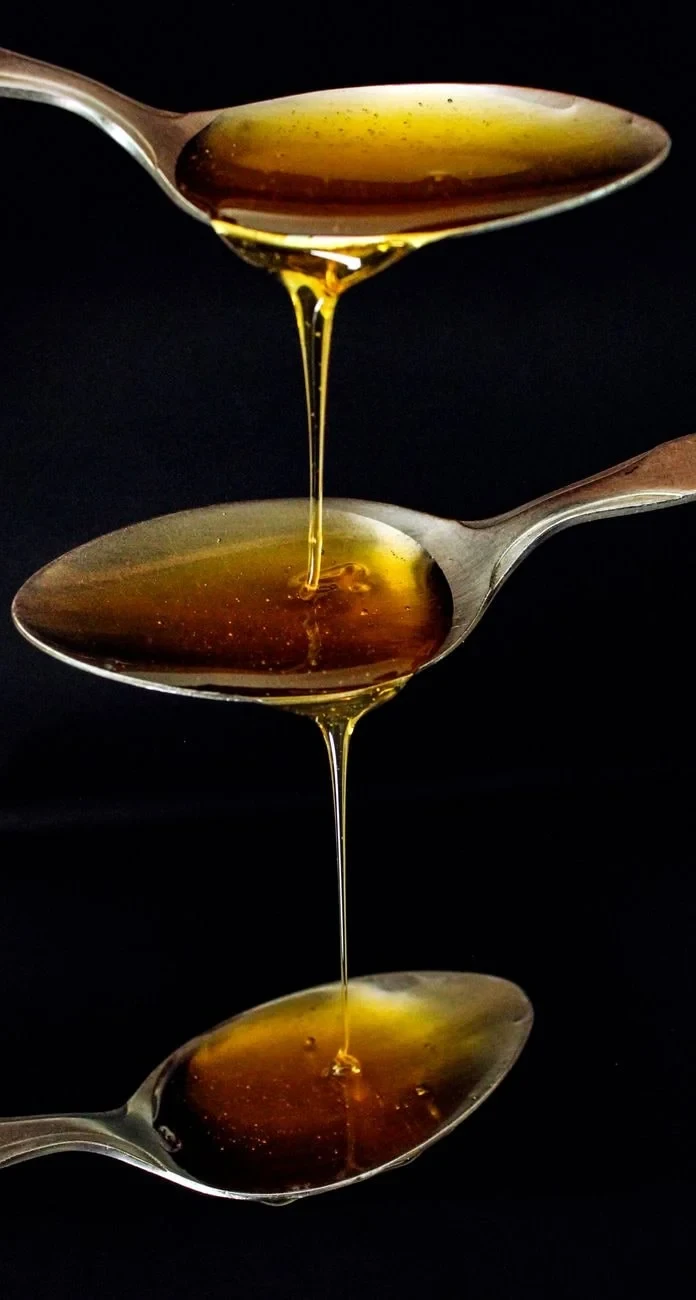
Three spoons channel cascading honey against darkness. The image captures how this substance moves and flows, central to understanding why it endures.
Photograph by Alejandra Cardona, via Pexels.
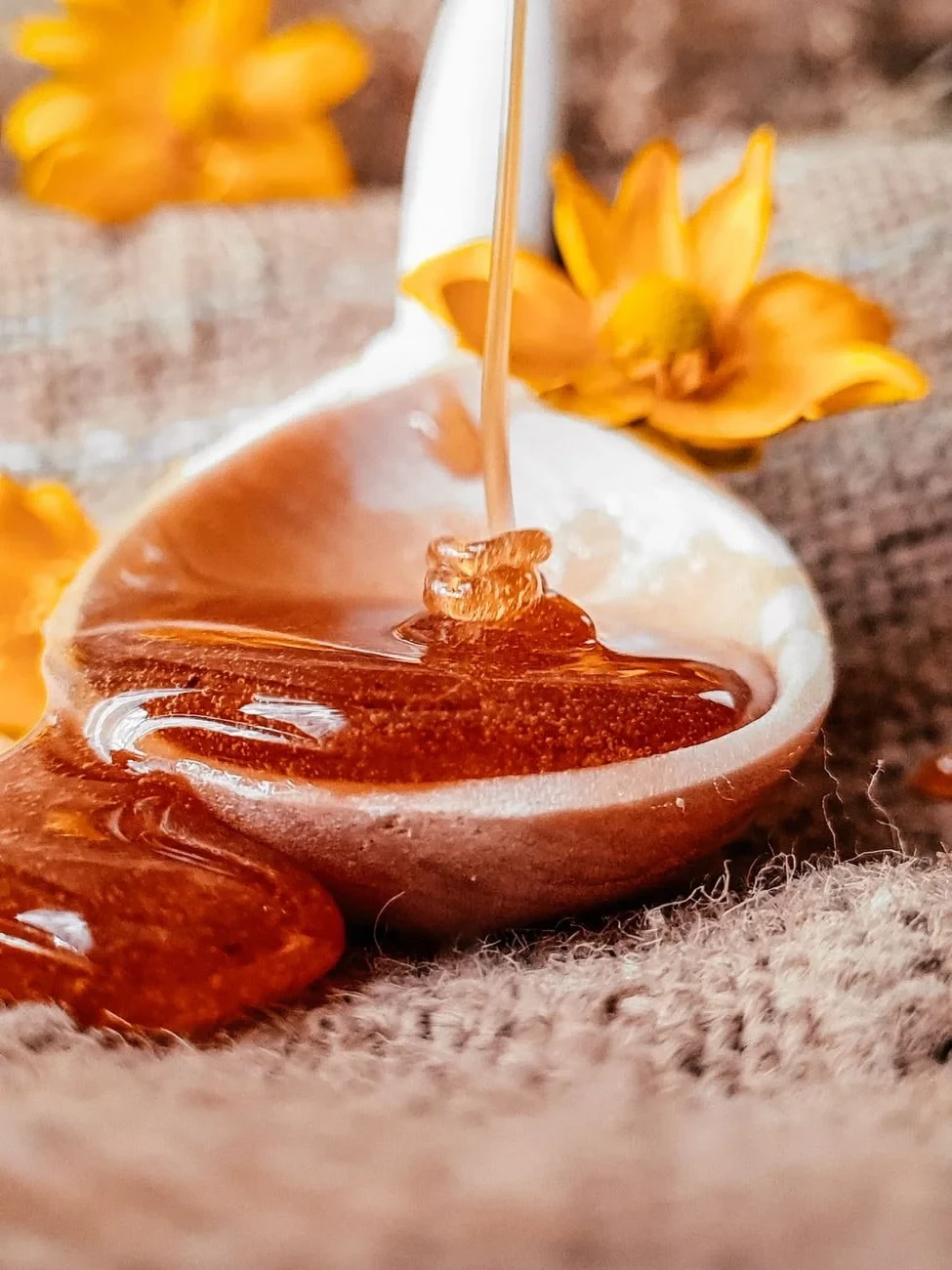
Honey drips beside yellow flowers, pairing the preserving substance with living blooms. Both suggest renewal and the natural cycles that honey outlasts.
Photograph by Yulia Ilina, via Pexels.
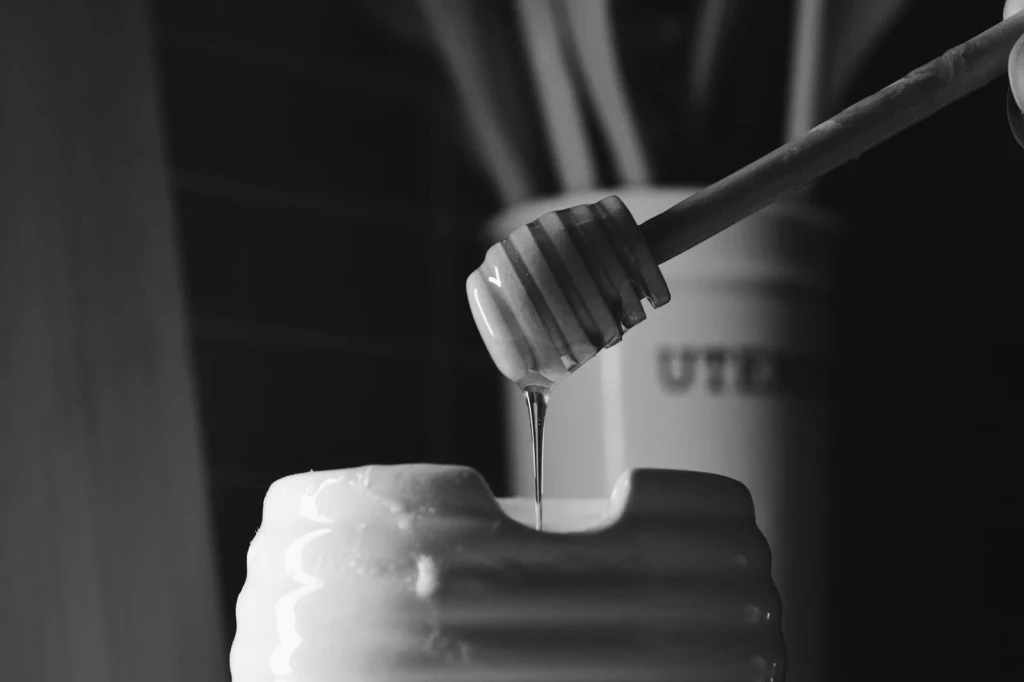
Honey drips from a dipper into a jar in black and white. The dramatic lighting transforms a simple act of preservation into something timeless.
Photograph by CGXL MEDIA, via Pexels.
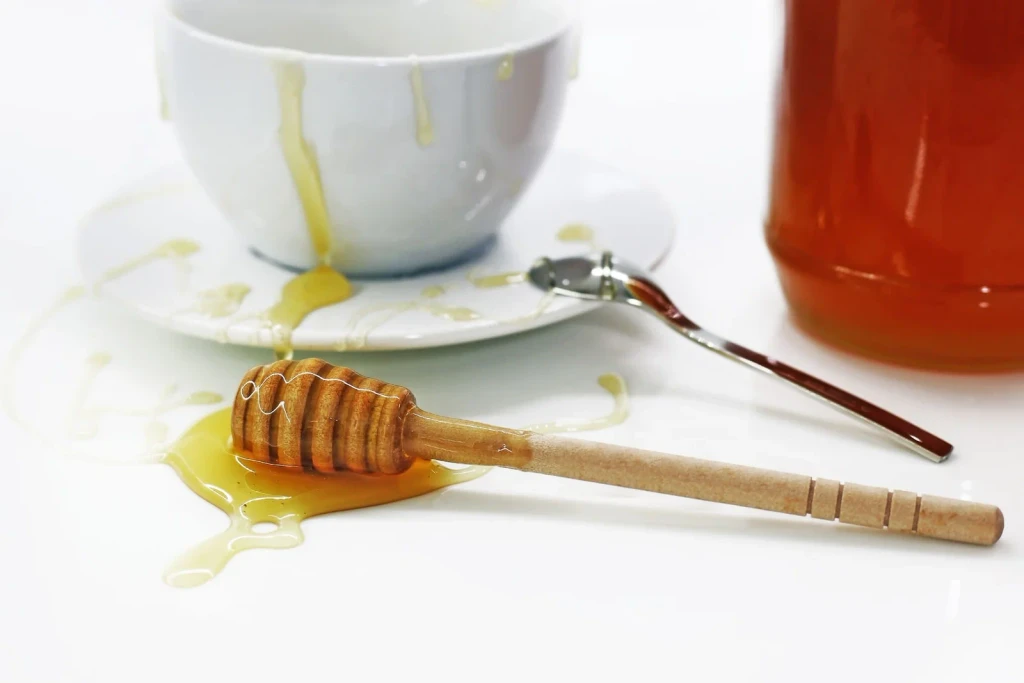
Honey drips from dipper to bowl in close detail. The image shows both the substance and the traditional tools designed to hold it.
Photograph by stella pag, via Pexels.
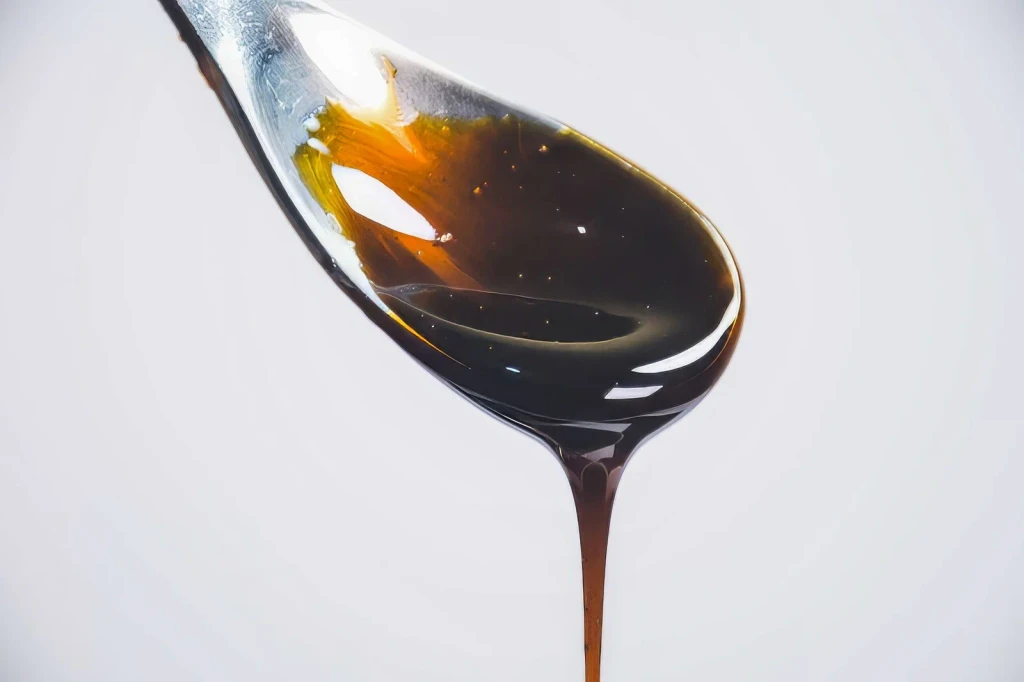
Bright background makes the dripping honey glow. The texture becomes visible in ways that suggest honey's interior resilience and density.
Photograph by John Benedict Malong, via Pexels.
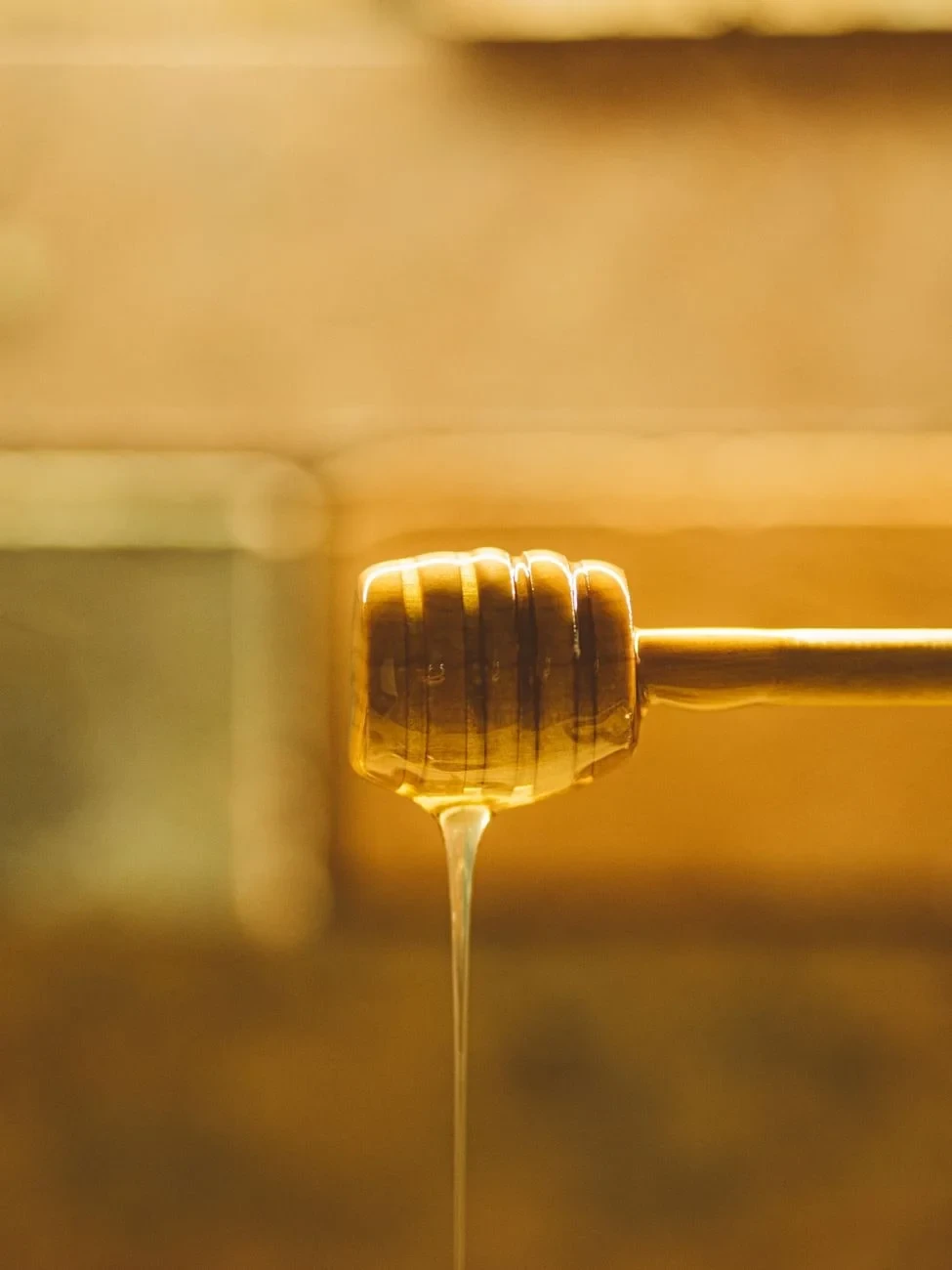
A wooden dipper holds natural honey in sunlight. The image grounds the subject in its traditional context, where preservation has always mattered.
Photograph by Jacek Jan Skorupski, via Pexels.
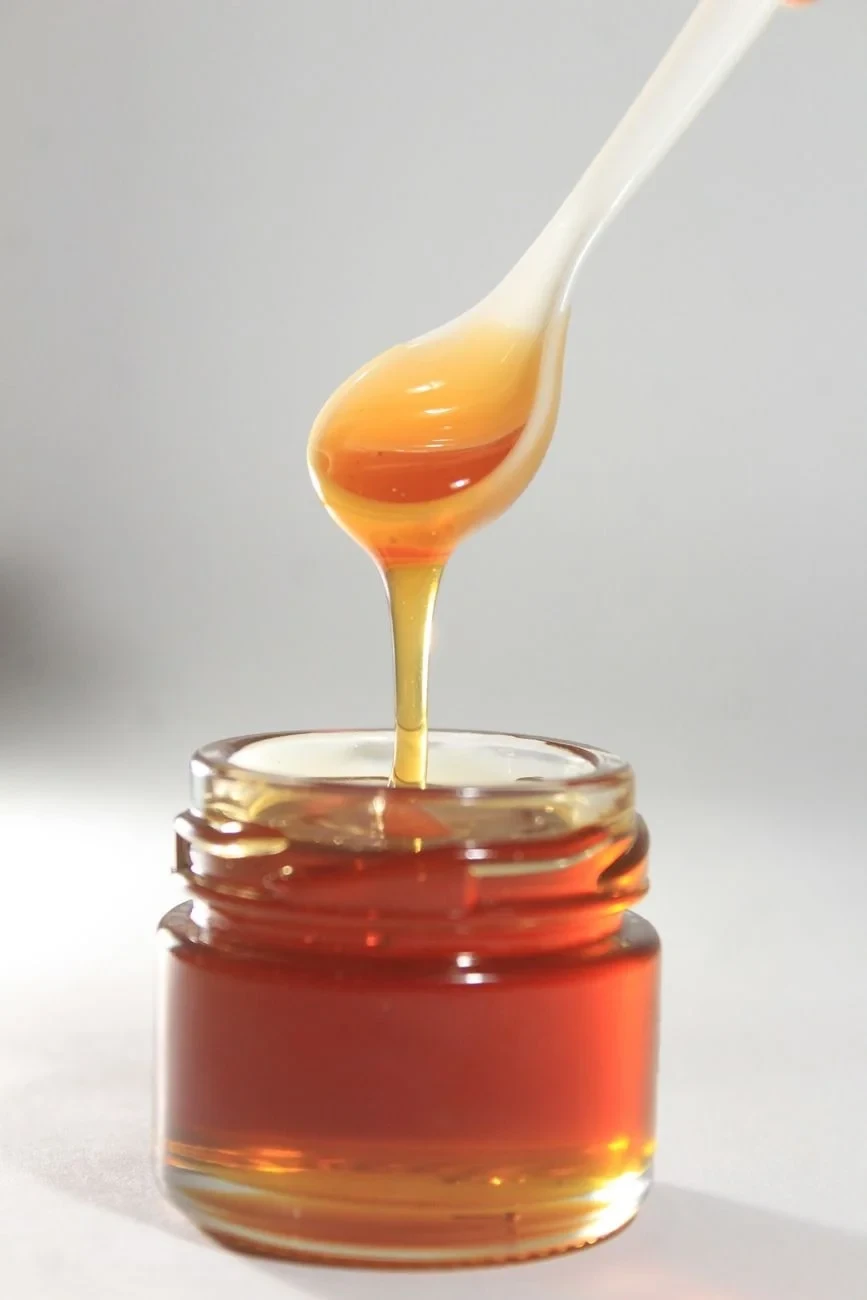
Honey drizzles into a jar, its texture visible and tactile. The photograph documents the moment of transfer, suggesting continuity and storage.
Photograph by Jvalenciazz Jhon, via Pexels.
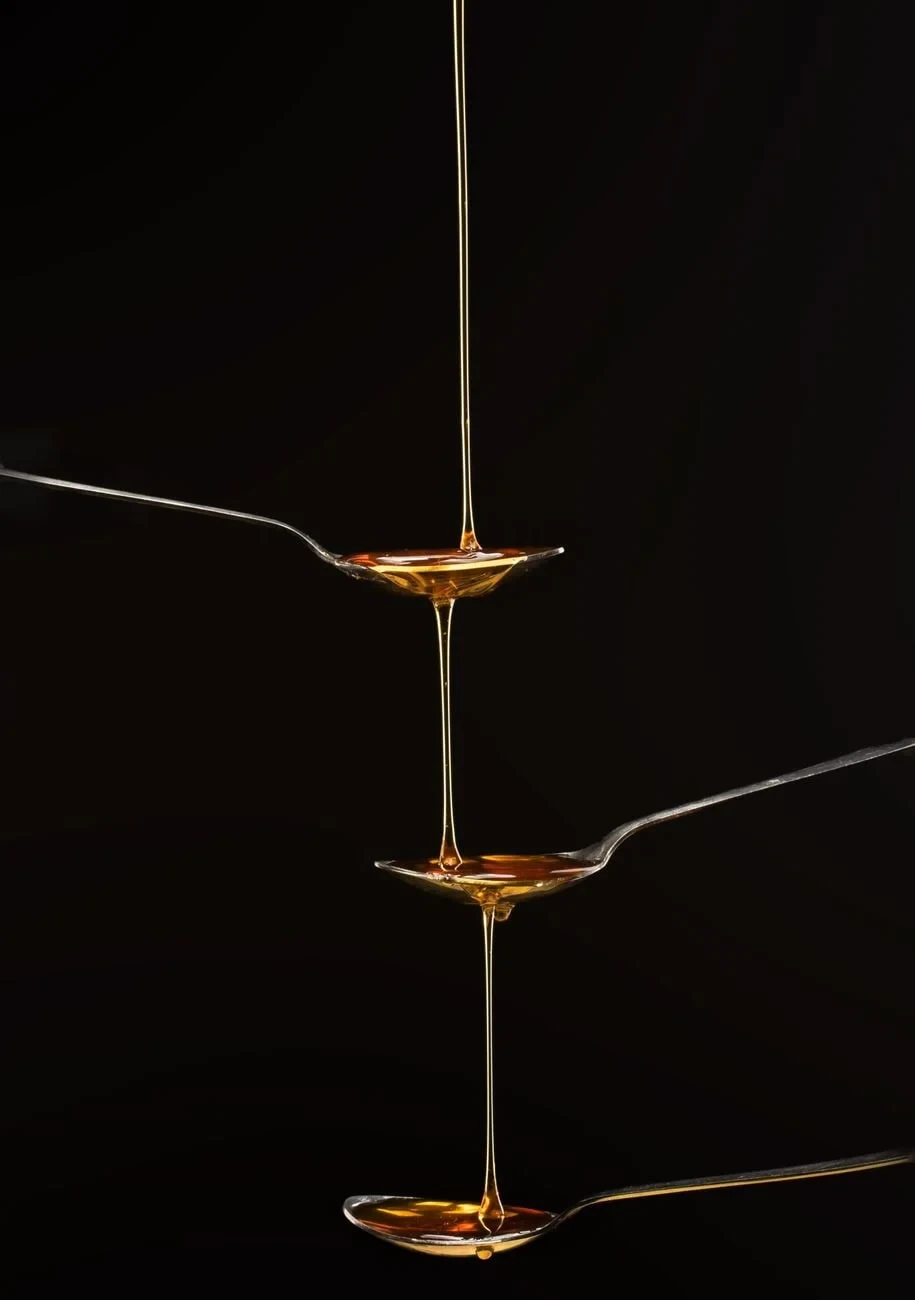
Three spoons align to pour golden honey in parallel. The image captures honey's most recognizable form: thick, flowing, seemingly endless.
Photograph by BlvckArt Studio, via Pexels.
