3D Gallery
Look Closer. Every Mosaic Is a Stone.
Enter gallery
Look Closer. Every Mosaic Is a Stone. is a 3D virtual gallery on MyGallery3D, a walkable online exhibition of 16 works. Step inside and explore it in your browser: no app, no headset.
This 3D virtual gallery of mosaics lets you walk right up to the wall in your browser.
A mosaic is not painted. It is assembled, piece by piece, from cubes of coloured stone and glass called tesserae, and there is no image at all until you stand back far enough for your eye to join them. The Romans took this to an extreme with opus vermiculatum, using cubes of 4 millimeters or less. In the Alhambra, some tile pieces in the Mirador de Lindaraja measure as little as 2 millimeters across.
Zellij is mosaic made from tile pieces chiselled one by one by hand. The word comes from zalaja, to slide, after the glazed surface. Following the 15th century it fell out of fashion nearly everywhere except Morocco, where it is still made, and Fez remains its most important centre. The Spanish and Portuguese word azulejo comes from the same root.
Most recorded names of Roman mosaic workers are Greek, and most ordinary craftsmen were almost certainly slaves. The finest panels were not even made on site: they were assembled in workshops, glued to a temporary support and carried to the building, then set into a floor or wall. Guidelines survive scored into the mortar underneath, and some designs were pegged out in string.
The collapse of a building can destroy a mosaic or save it. At the Villa Romana del Casale in Sicily, a landslide in the 12th century covered the floors and protected them for 700 years. That is why the largest collection of late Roman mosaics still in place includes a 64m Great Hunting Scene and the Bikini Girls, women playing sport in what look like modern swimsuits.
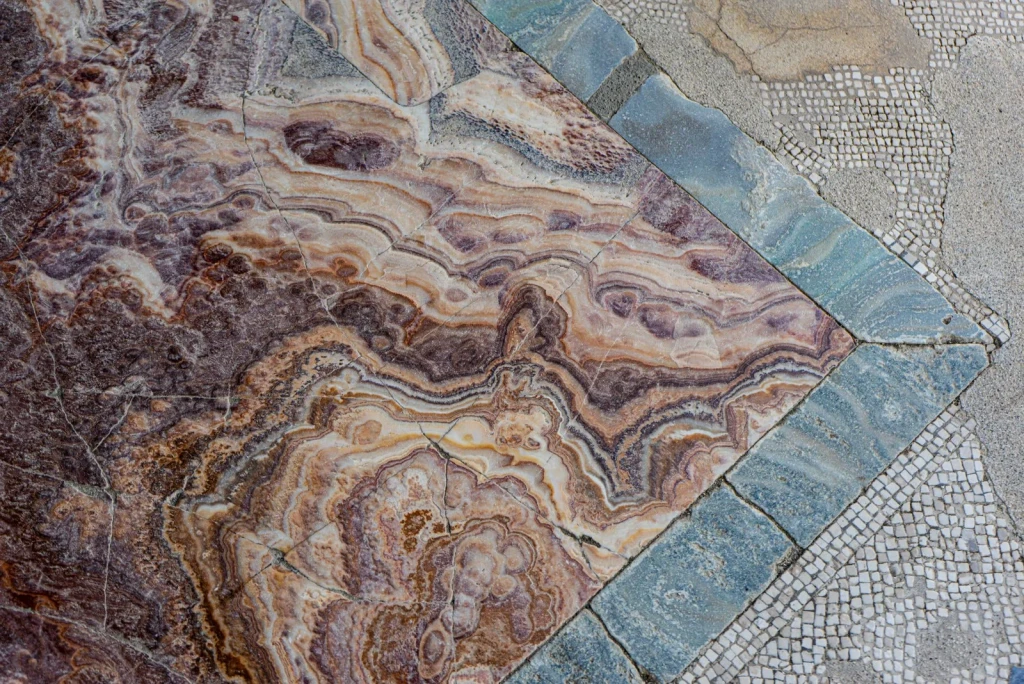
Marble and mosaic materials meet in close detail. This intimate view shows how color and texture combine at the smallest scale.
Photograph by Jiří Dočkal, via Pexels.
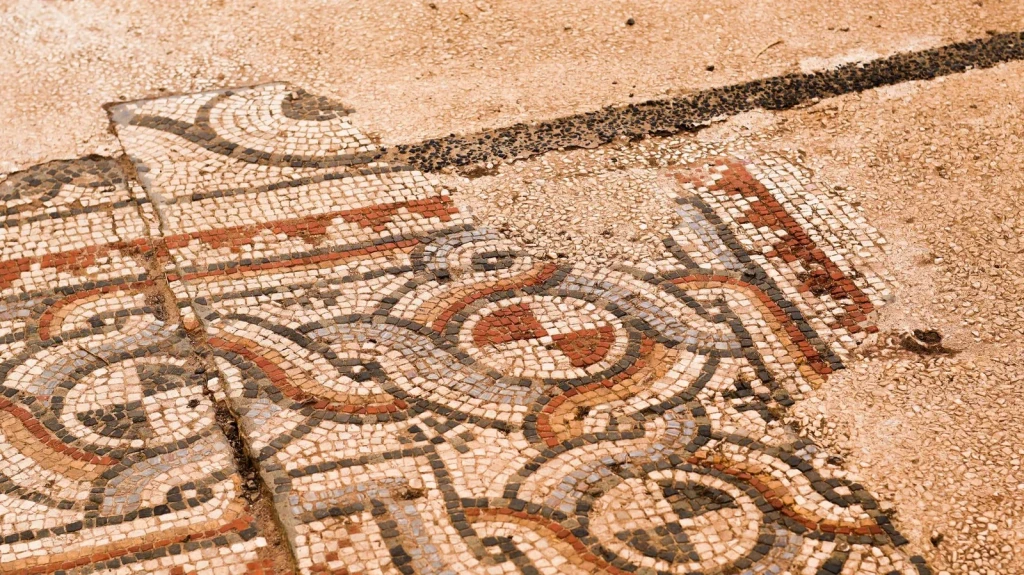
Ancient Roman mosaic in geometric patterns and earthy tones. Order and beauty arise from the deliberate arrangement of small, separate pieces.
Photograph by Rumeysa Sürücüoğlu, via Pexels.
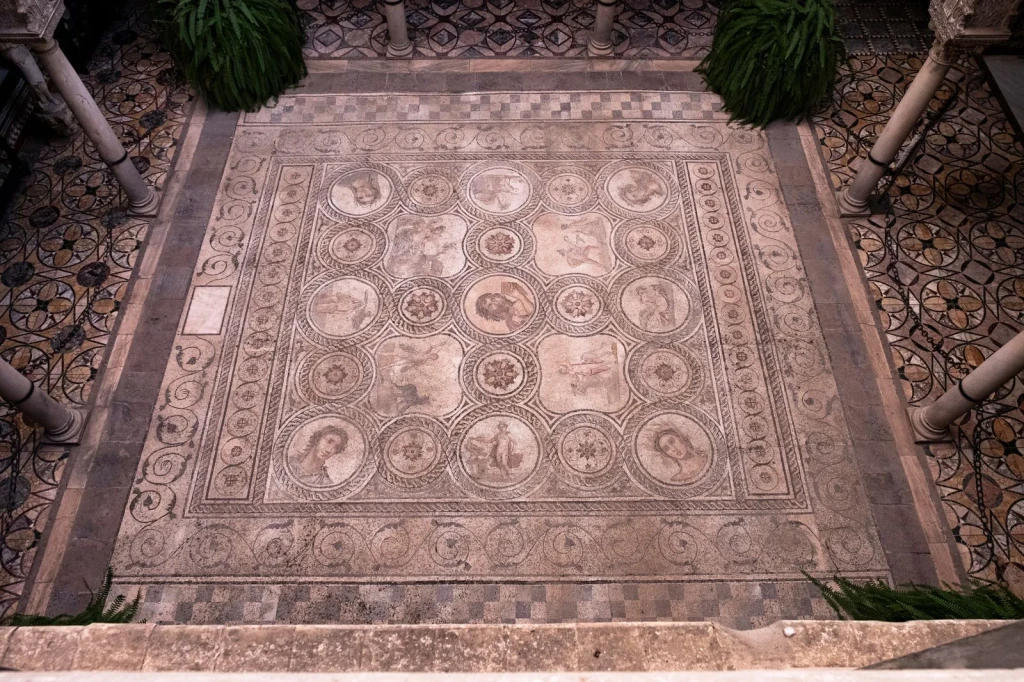
An intricate ancient mosaic in a courtyard setting. Elaborate patterns emerge from countless individual tiles, each one essential to the whole.
Photograph by Felix-Antoine Coutu, via Pexels.
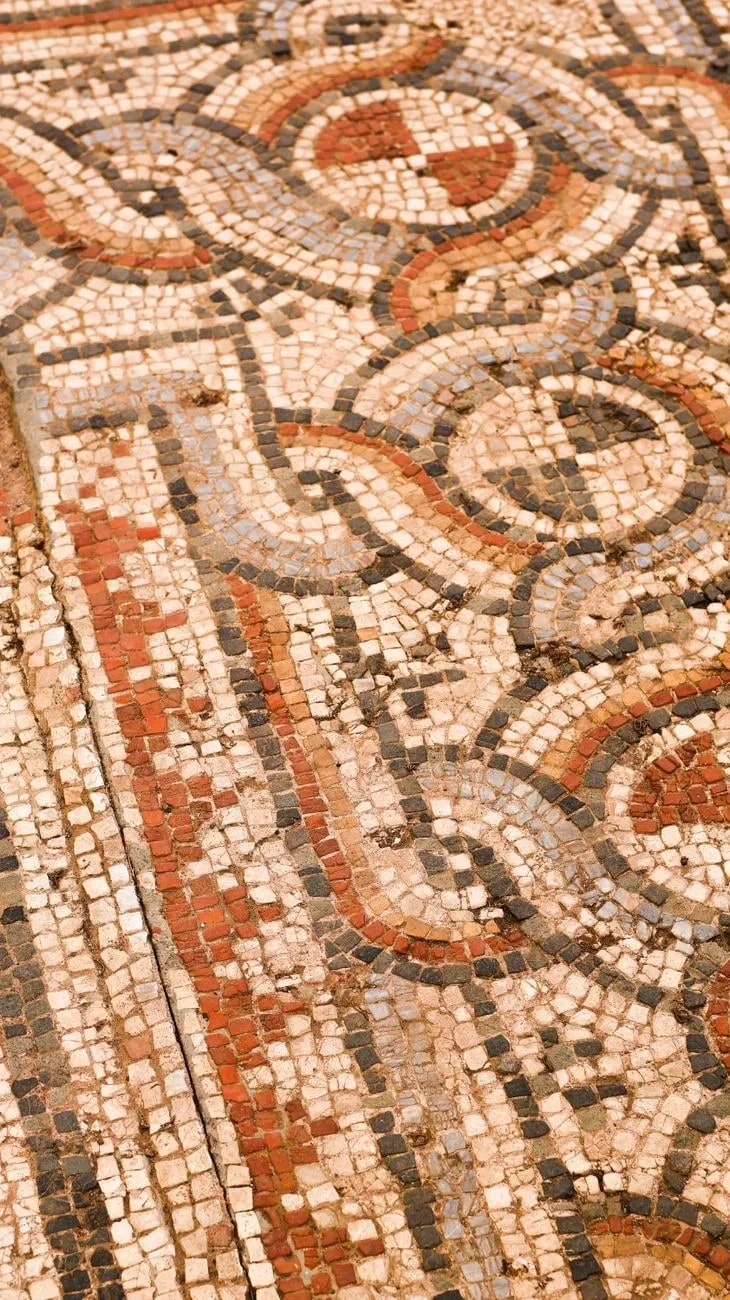
Intricate patterns in earthy tones form the bones of this ancient mosaic. Each small piece contributes to a larger design, echoing the exhibition's core idea: every stone matters.
Photograph by Rumeysa Sürücüoğlu, via Pexels.
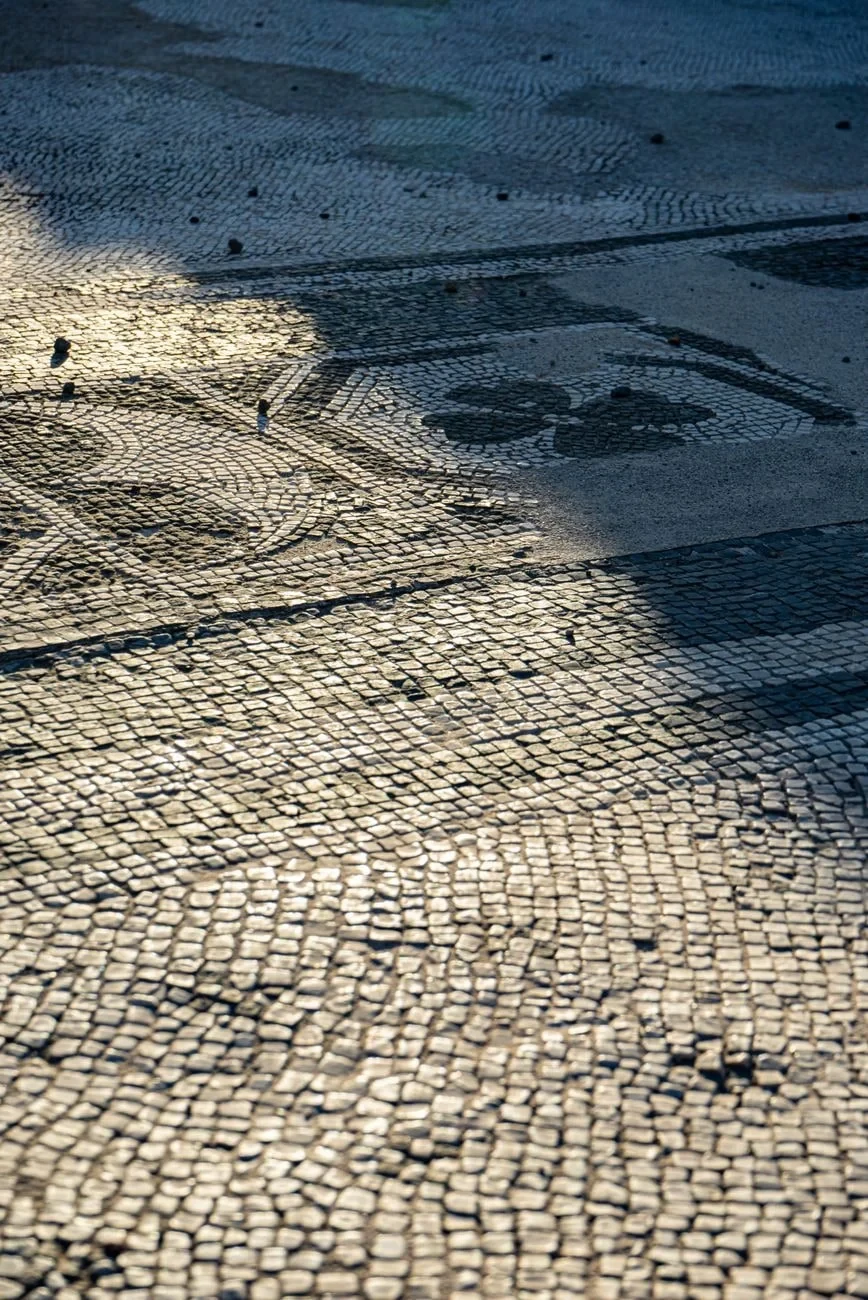
Historic mosaic pavement capturing ancient artistry. The photograph draws us close to surfaces meant to be walked upon, revealing the care embedded in each small element.
Photograph by Jiří Dočkal, via Pexels.
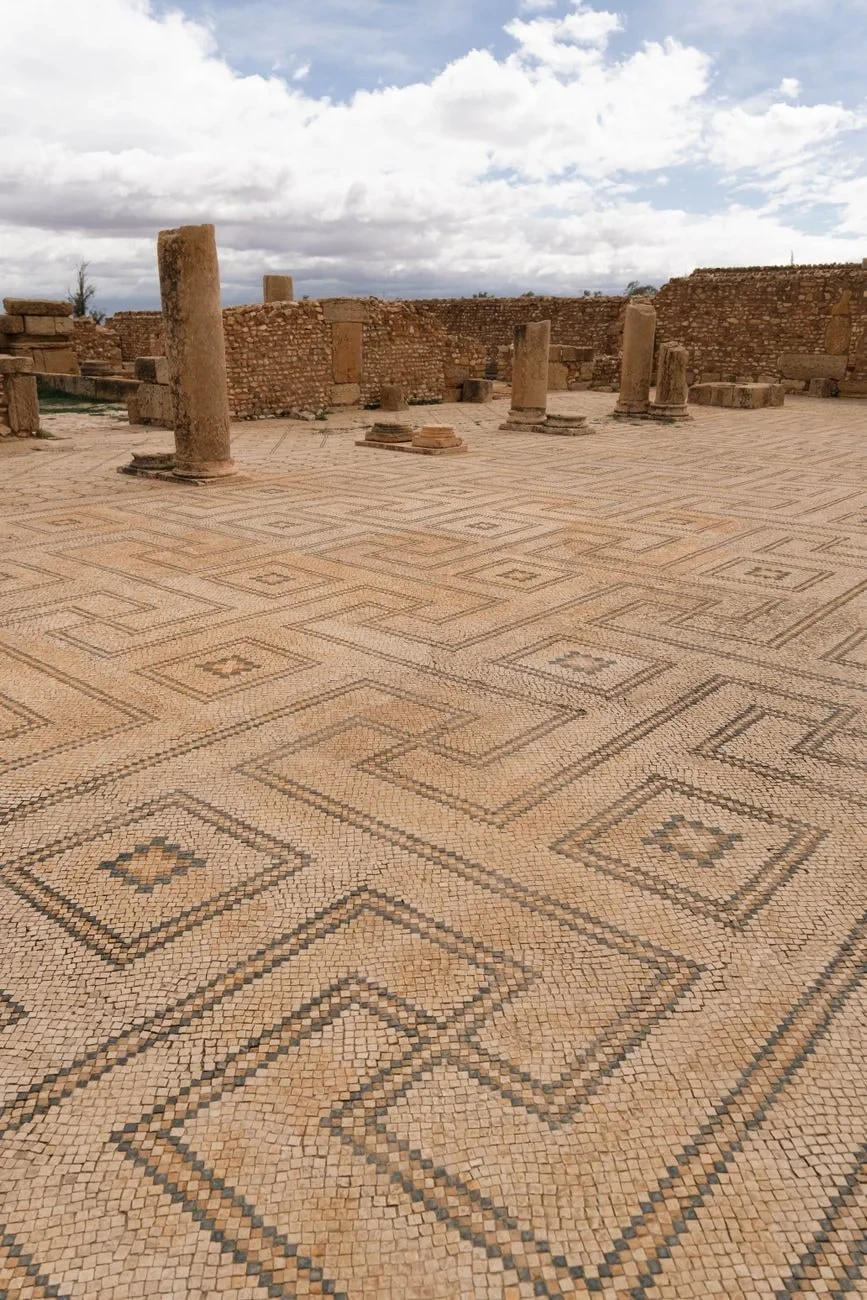
Intricate geometric mosaics at an ancient site. The photograph reminds us that complexity is built, stone by stone, from simple forms.
Photograph by Eleanore Stohner, via Pexels.
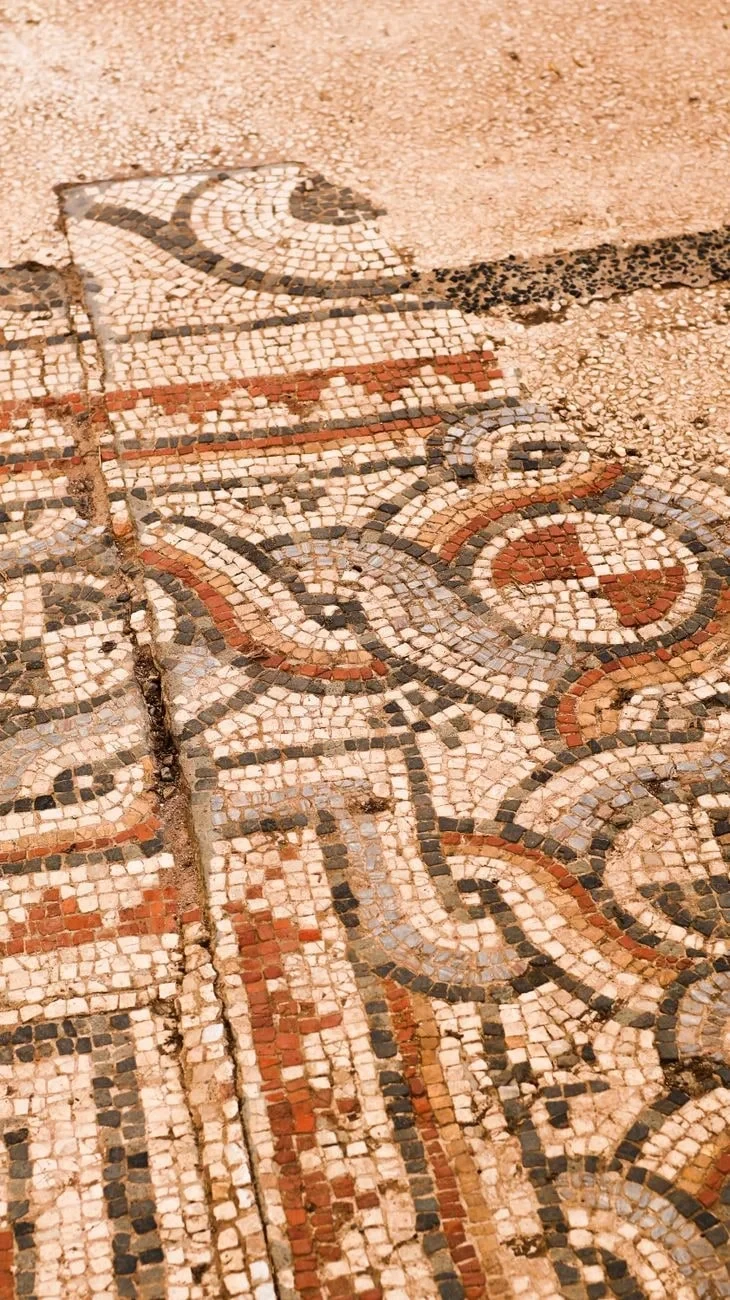
Geometric patterns fill an ancient floor. Precision and repetition create order from individual, irregular stones.
Photograph by Rumeysa Sürücüoğlu, via Pexels.
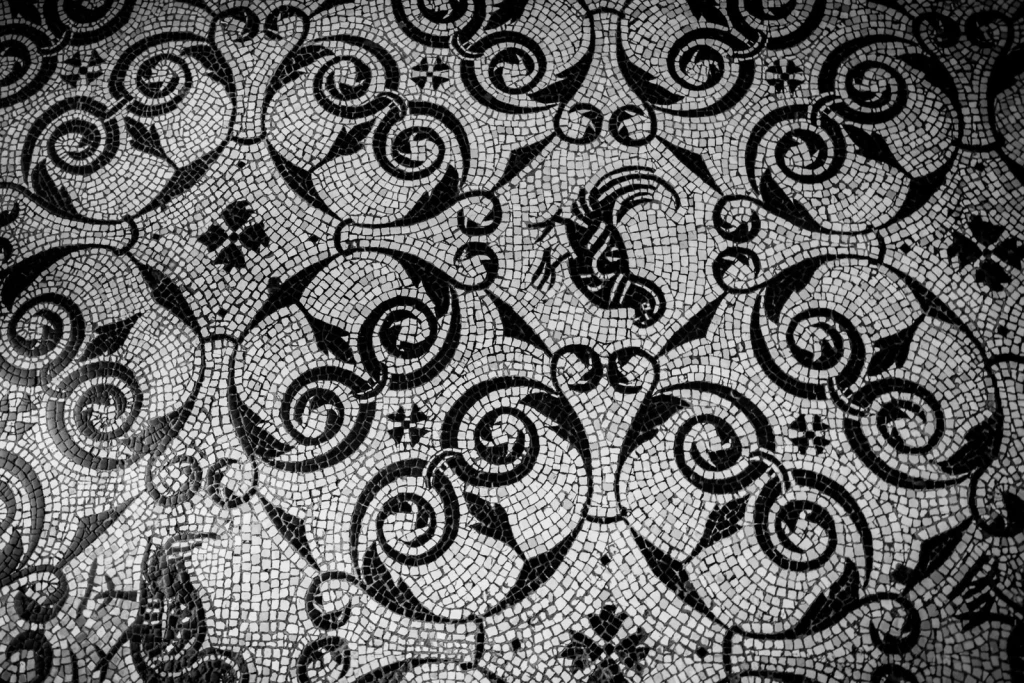
A black and white Roman mosaic floor reveals intricate patterns built from individual elements. Each design emerges only when viewed as a complete whole.
Photograph by Magda Ehlers, via Pexels.
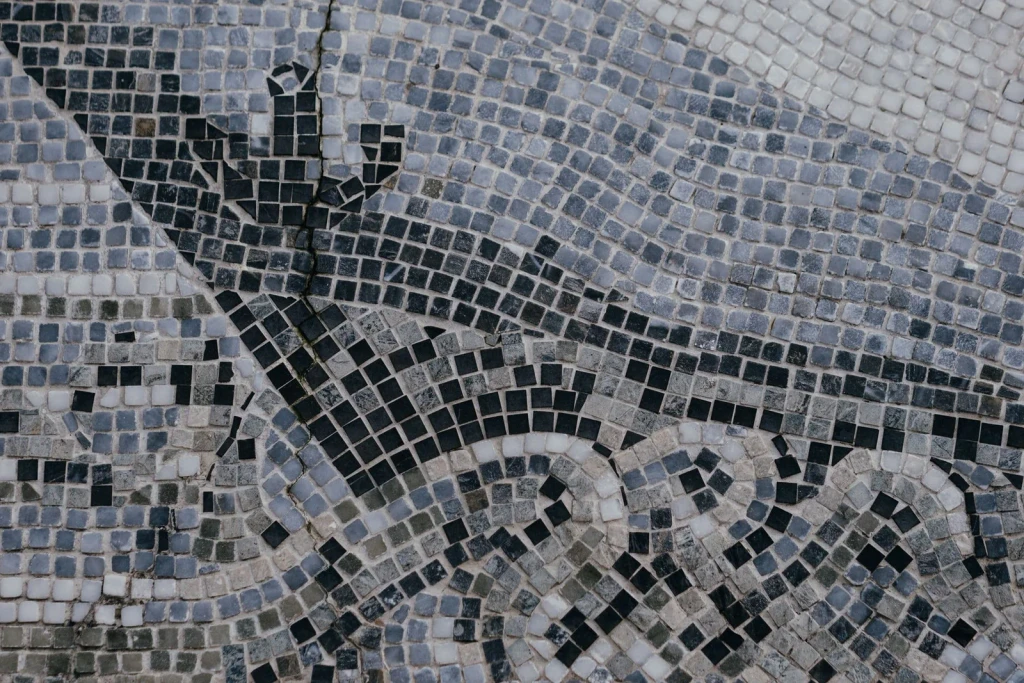
A stone mosaic abstracts into pattern when seen close. The photograph collapses distance between fragment and design.
Photograph by Polina ⠀, via Pexels.
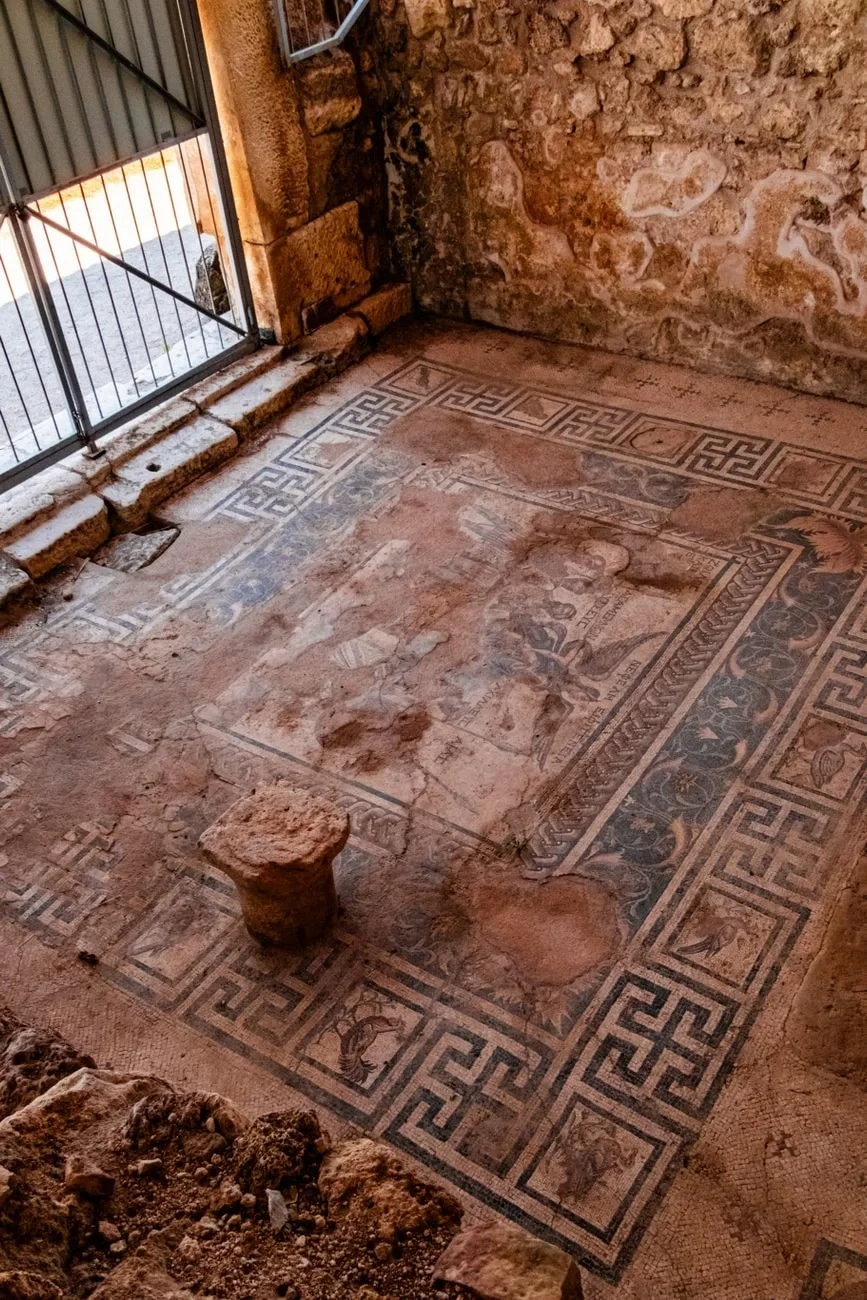
A detailed view of an ancient mosaic floor at an archaeological site. The photograph captures what remains when we look closely at history.
Photograph by Ayşegül Aytören, via Pexels.
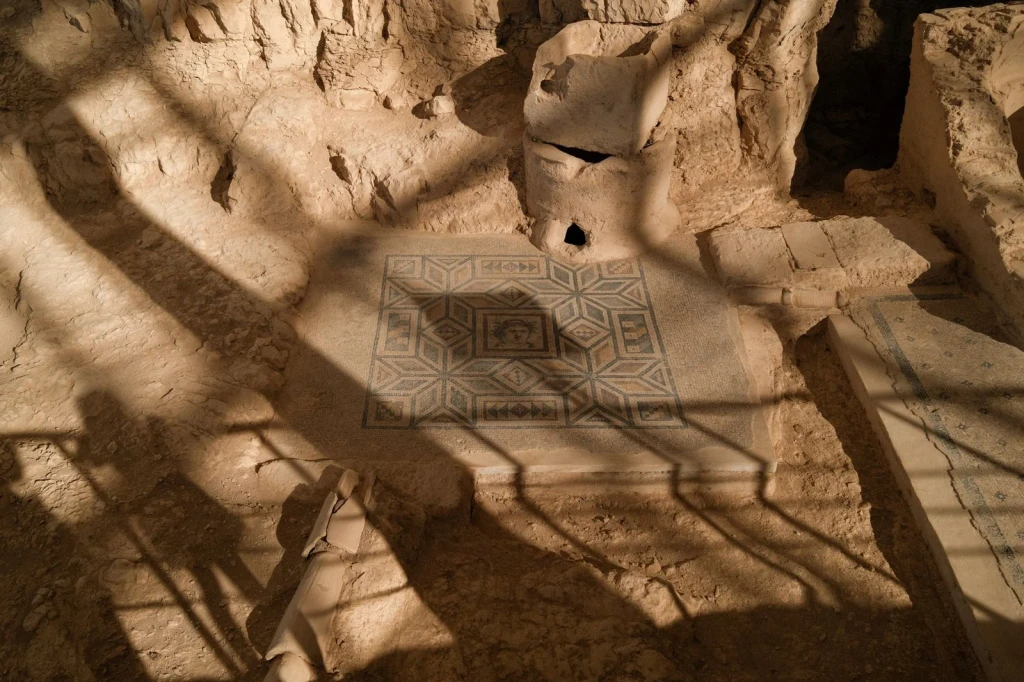
A detailed ancient mosaic brought to light through archaeological excavation. The photograph reveals intricate design hidden beneath the surface.
Photograph by İrfan Simsar, via Pexels.
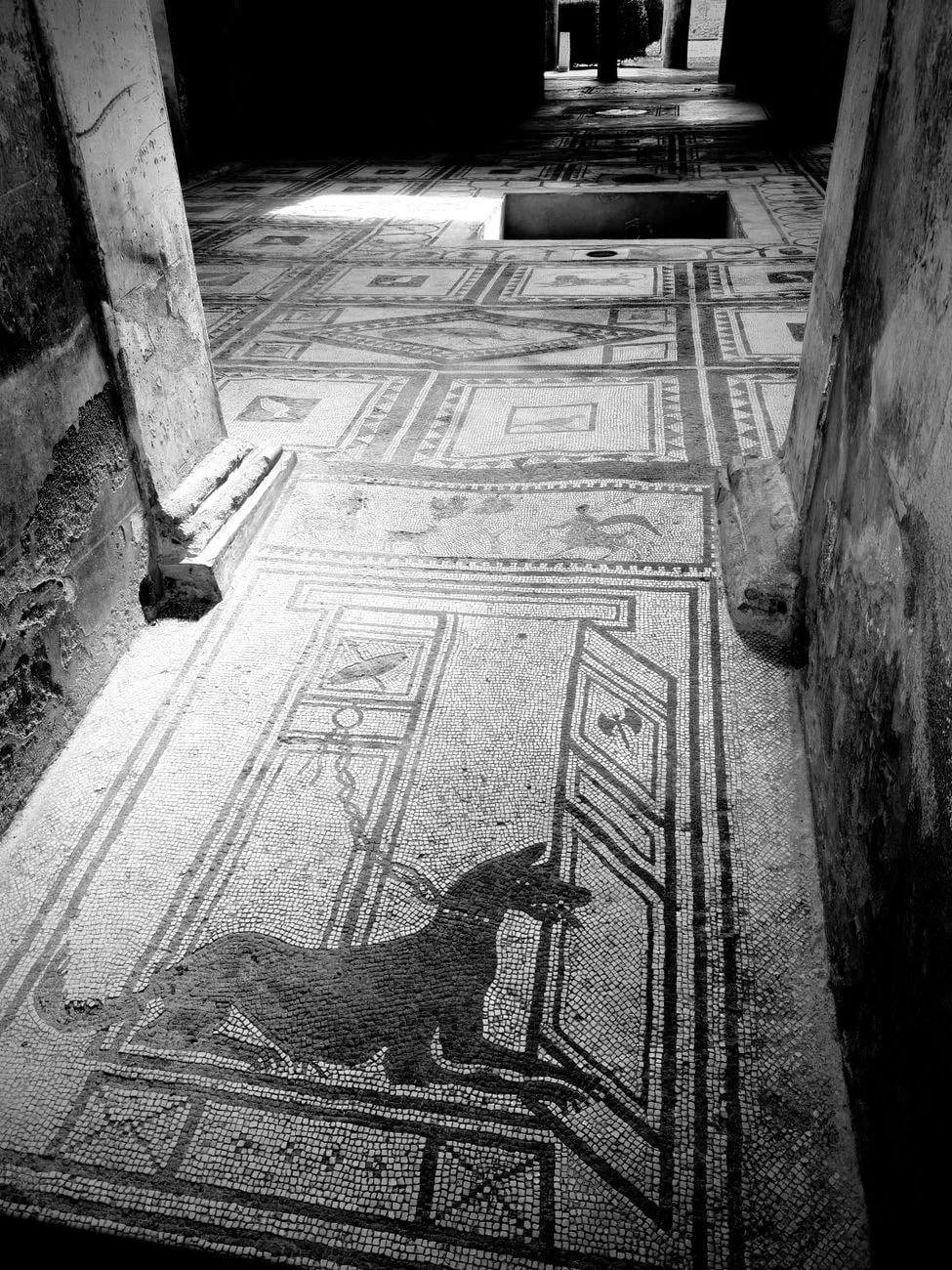
Stunning mosaic floors preserved in ancient ruins. These photographs show how individual stones were assembled into enduring works.
Photograph by Mario Luis Buonfiglio, via Pexels.
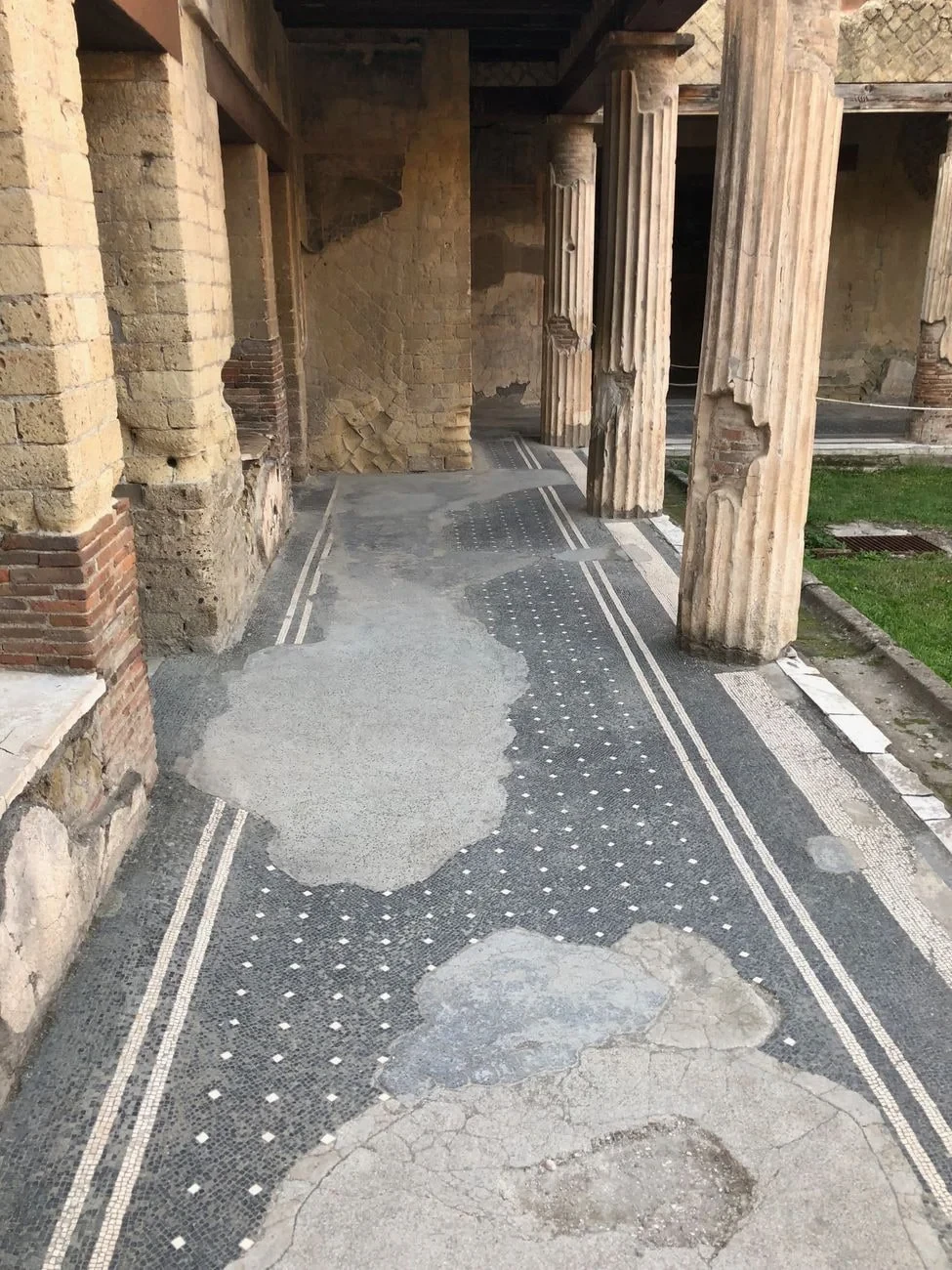
Ancient mosaic flooring with columns in view. The detailed composition shows how individual stones anchor larger architectural ideas.
Photograph by Brett Bennett, via Pexels.
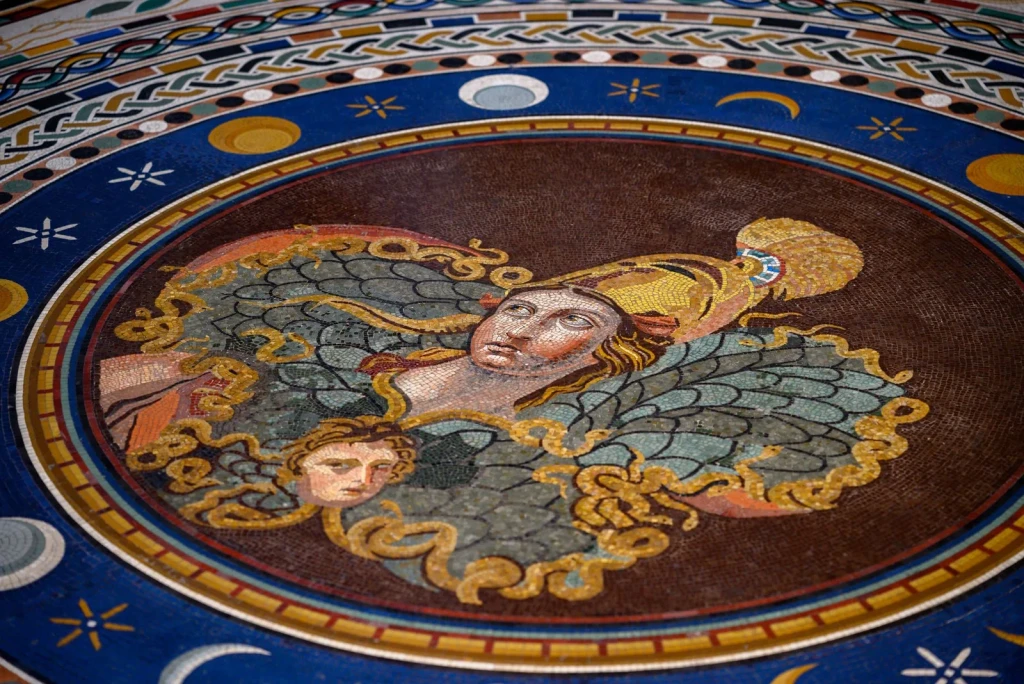
An elegant floor mosaic depicting Roman myths. Each stone, however small, carries narrative weight. Together they form something greater than any single piece.
Photograph by Osviel Rodriguez Valdés, via Pexels.
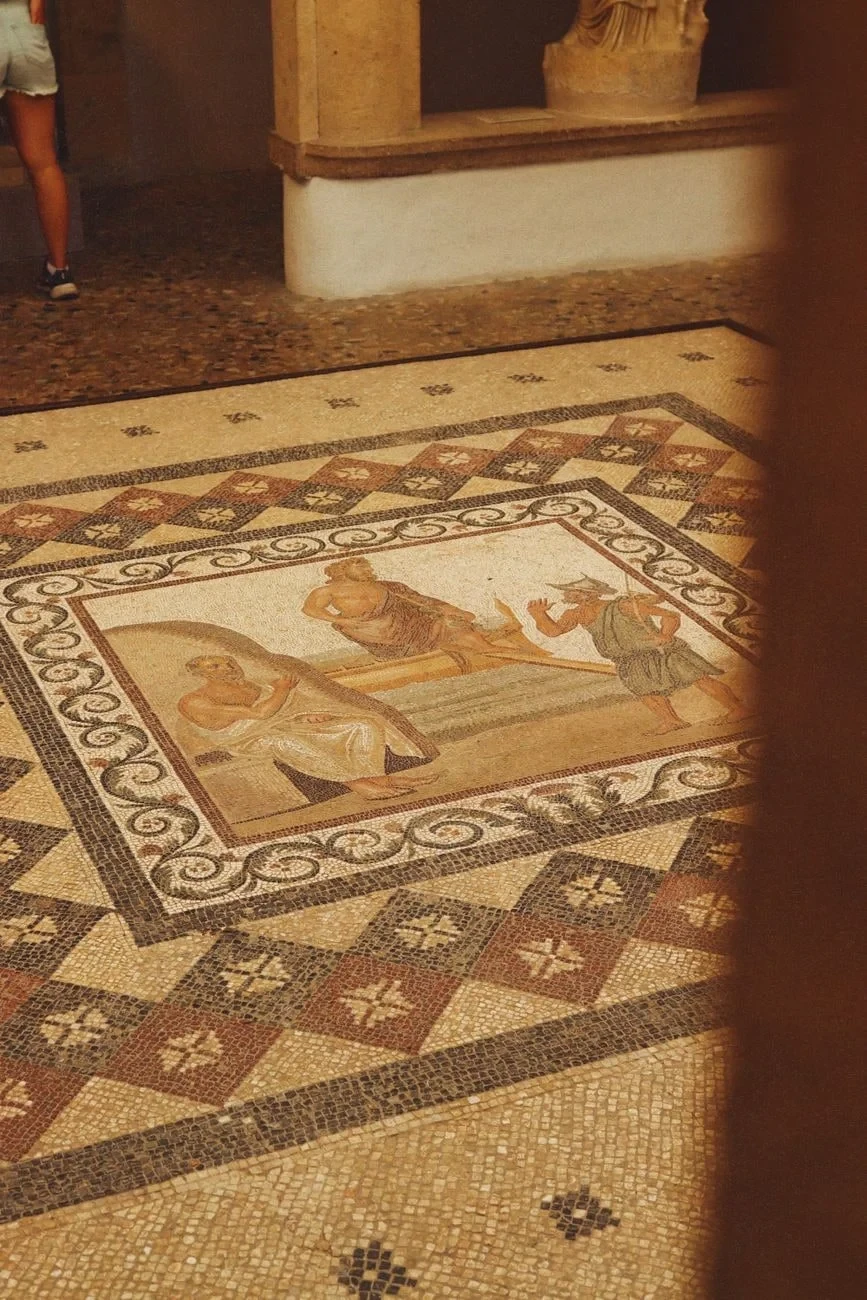
Roman artisans depicted historical figures in mosaic form. This archaeological example shows how individuals become part of a larger composed image.
Photograph by Sude Akpınar, via Pexels.
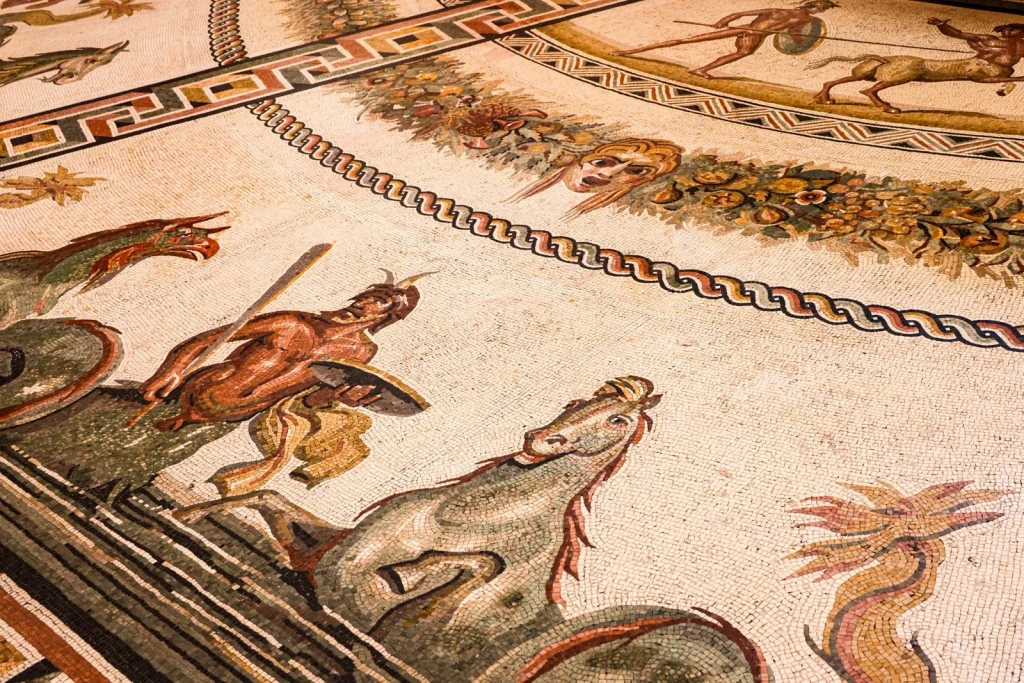
An intricate Roman mosaic weaves together mythological figures and designs. Ancient artistry speaks across time through the accumulated detail of countless stones.
Photograph by Magda Ehlers, via Pexels.
