3D Gallery
The Architecture Caves Made Alone
Enter gallery
The Architecture Caves Made Alone is a 3D virtual gallery on MyGallery3D, a walkable online exhibition of 15 works. Step inside and explore it in your browser: no app, no headset.
Walk through this 3D virtual museum of caves in your browser. Every chamber here was carved without a hand: the architecture is what the rock lost.
Rain picks up carbon dioxide on the way down, turns into weak carbonic acid, and spends millions of years eating limestone. Cracks widen into passages; passages widen into rooms. Mammoth Cave in Kentucky has 675.9 km of surveyed passage. The single largest passage known, in Son Doong Cave in Vietnam, runs 4.6 km and stands over 140 m high and wide along part of its length.
Not every cave was made by rain. Beneath Carlsbad Caverns lie petroleum reserves, and hydrogen sulfide seeping up from them met oxygen in the groundwater and became sulfuric acid. That acid dissolved the limestone upward, hollowing the rock from underneath. The gypsum left inside the cave is the byproduct, and the proof. The Big Room it opened is the largest chamber in North America.
Nearly 350 caves in France and Spain hold prehistoric art. The subjects are almost all large animals: bison, horses, aurochs, deer, and stencilled hands. Plants make up less than 1% of the symbols in European cave art. The painters at Lascaux left mostly reindeer bones behind, yet reindeer never appear on the walls. They were not painting their dinner.
A stalagmite grows one drip at a time, and the drips remember. Close rings mean little rainfall, wider spacing means heavier rain. Uranium-thorium and radiocarbon dating fix the layers in time, and oxygen and carbon isotopes inside them track temperature, rainfall and vegetation across roughly the past 500,000 years. Speleothems at Richards Spur in Oklahoma carry climate data from 289 million years ago.
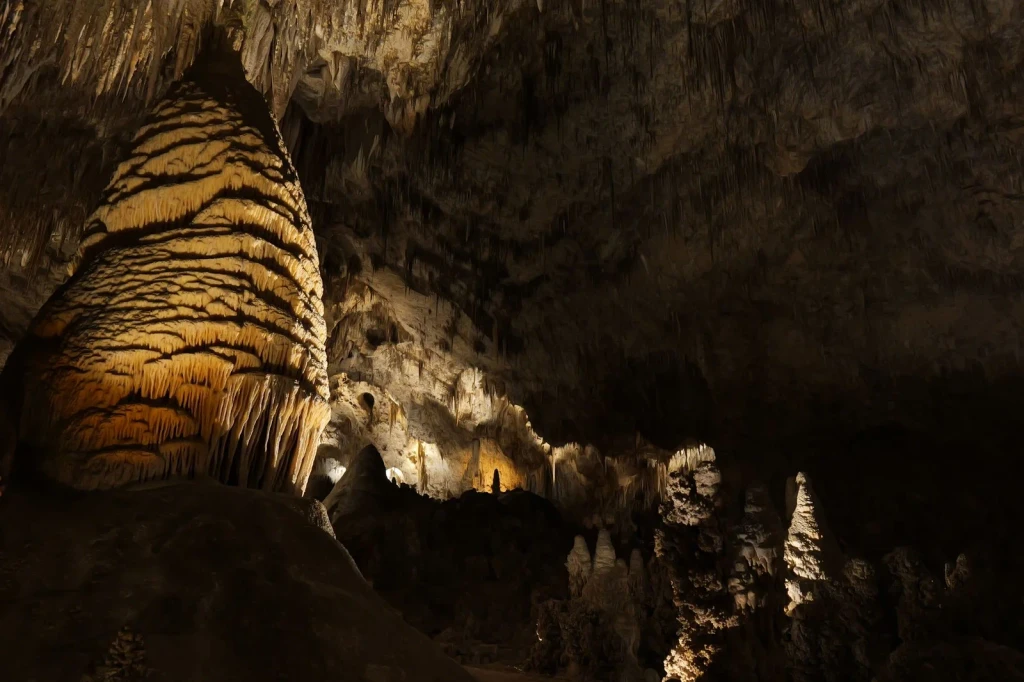
Explore the stunning rock formations of Carlsbad Caverns, a UNESCO World Heritage Site.
Photograph by Ambient Vista, via Pexels.
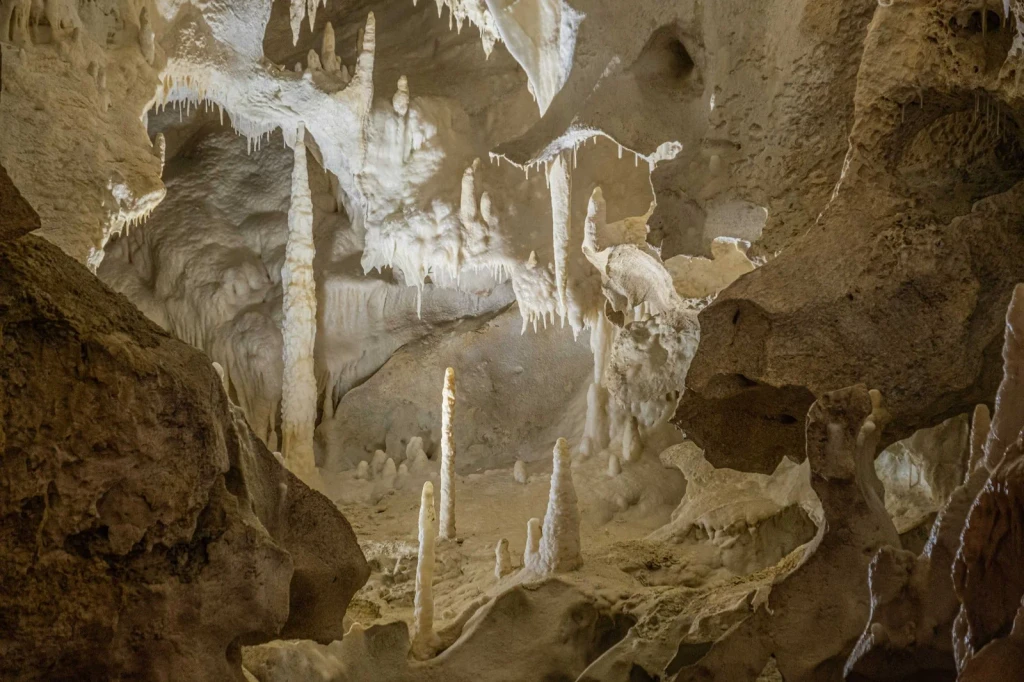
Natural architecture carved by geology. This cave interior, documented by a solitary photographer, reveals how stone creates its own cathedral.
Photograph by Francesco Ungaro, via Pexels.
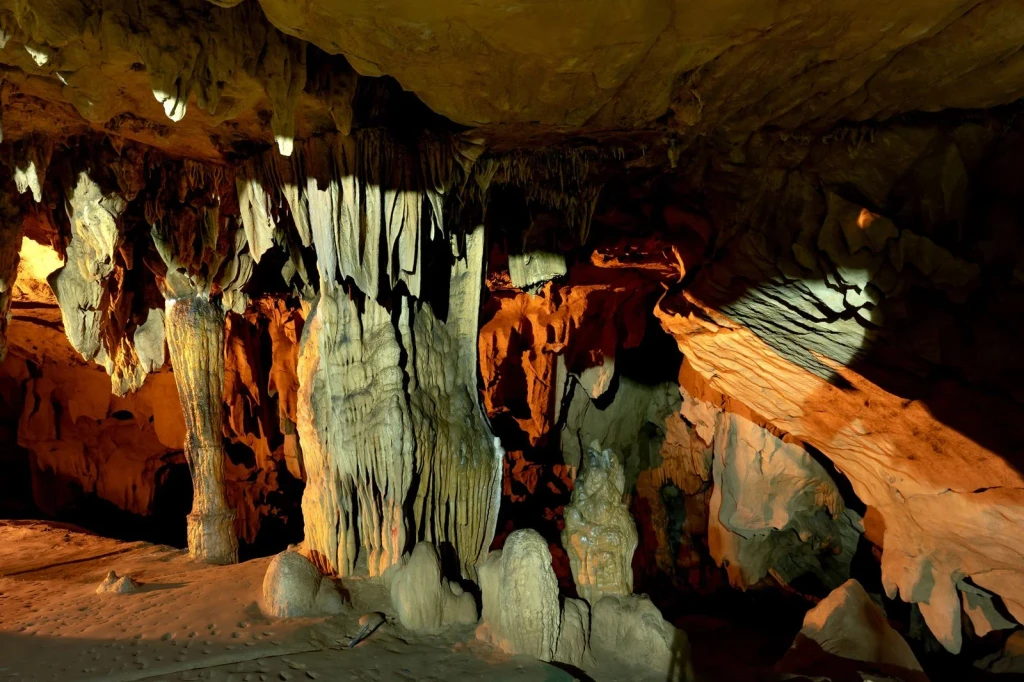
Stalactites dominate this view of a natural cave interior. Rock formations showcase the slow, solitary work of water and time.
Photograph by Quang Nguyen Vinh, via Pexels.
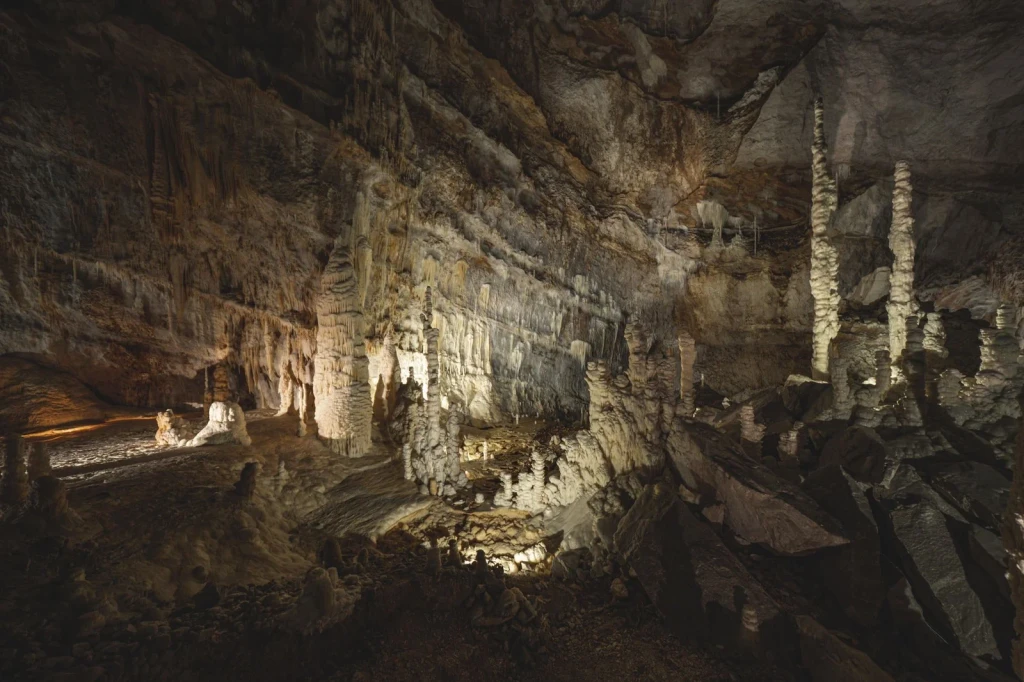
Stalactites and stalagmites create a breathtaking geometry beneath the earth. This solitary photograph captures the patient architecture that only caves and time can make.
Photograph by Francesco Ungaro, via Pexels.
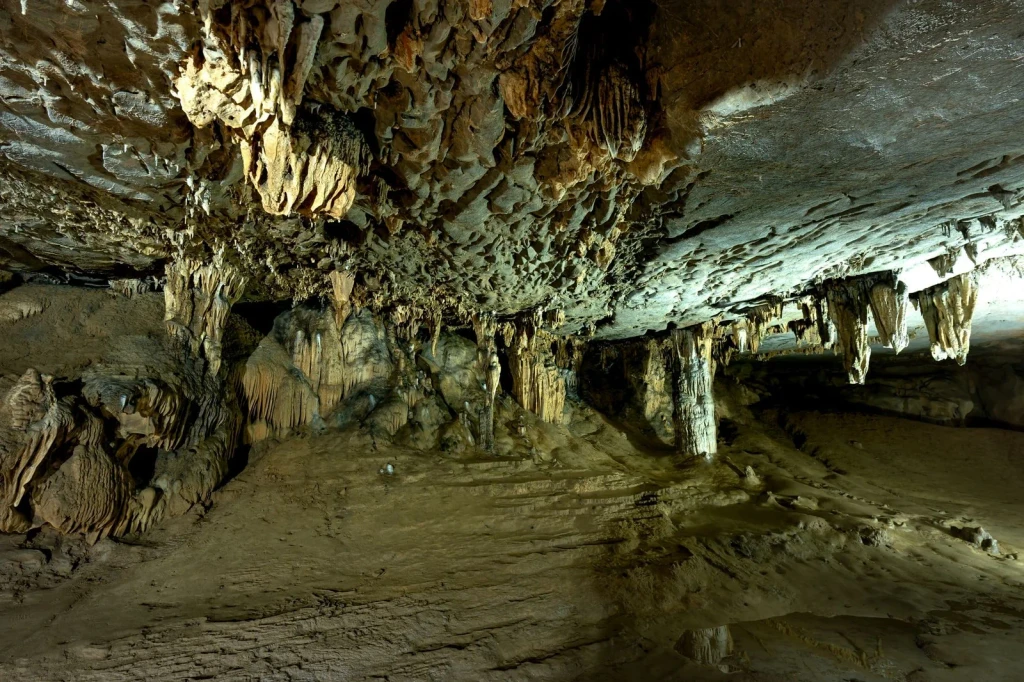
A cave interior reveals intricate rock formations. Stalactites and stalagmites demonstrate the detailed architecture caves construct without human design.
Photograph by Quang Nguyen Vinh, via Pexels.
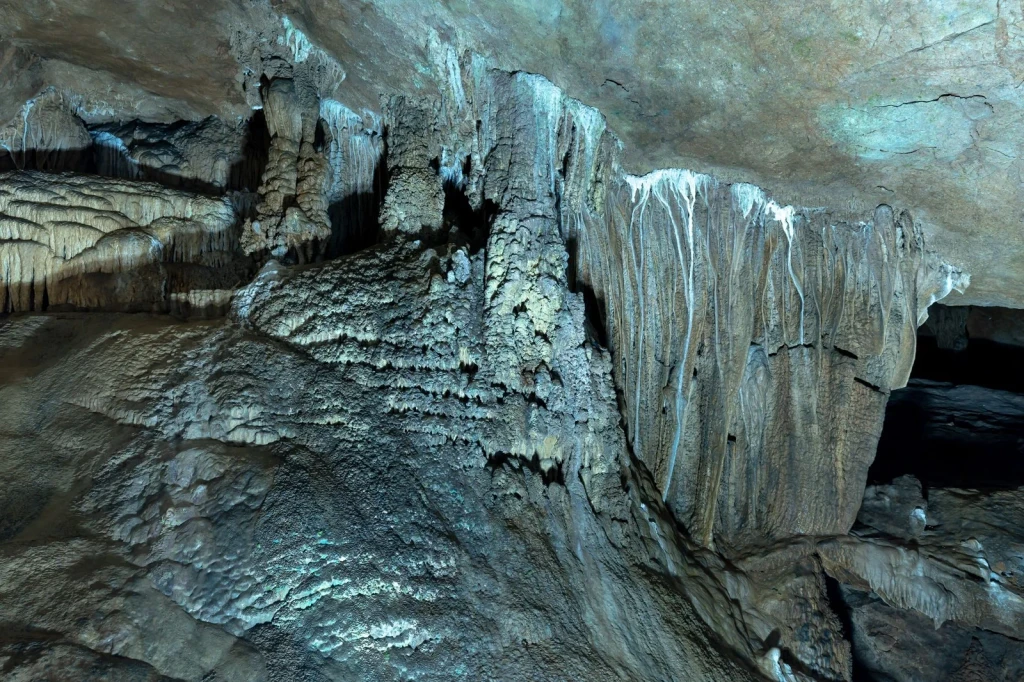
Stalactites and stalagmites meet in a breathtaking cave setting. Two formations, created independently, define the space caves make alone.
Photograph by Quang Nguyen Vinh, via Pexels.
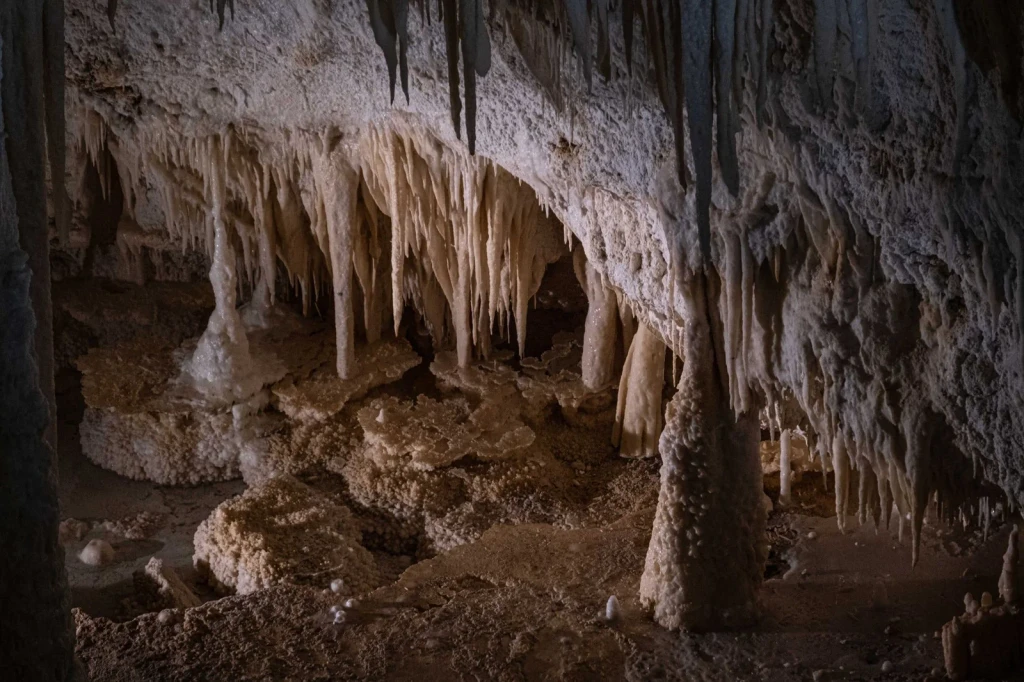
Stalactites and stalagmites create a captivating interior landscape. The formations speak to the autonomous artistry of cave geology.
Photograph by Francesco Ungaro, via Pexels.
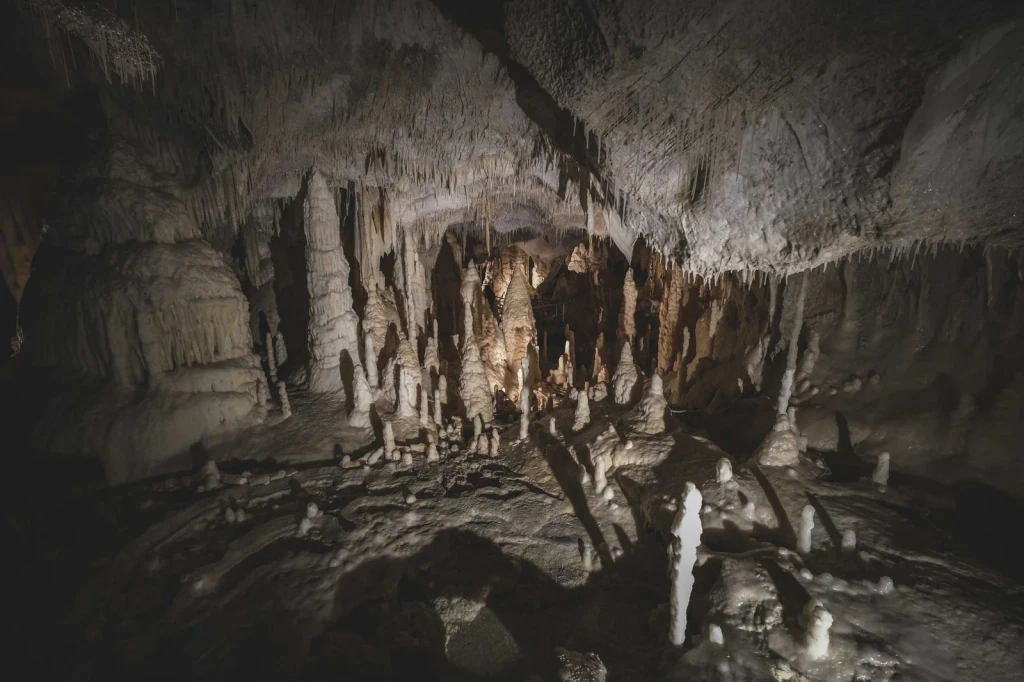
A solitary journey into an impressive cavern. The formations tower around the photographer, creating an atmosphere both beautiful and unsettling.
Photograph by Francesco Ungaro, via Pexels.
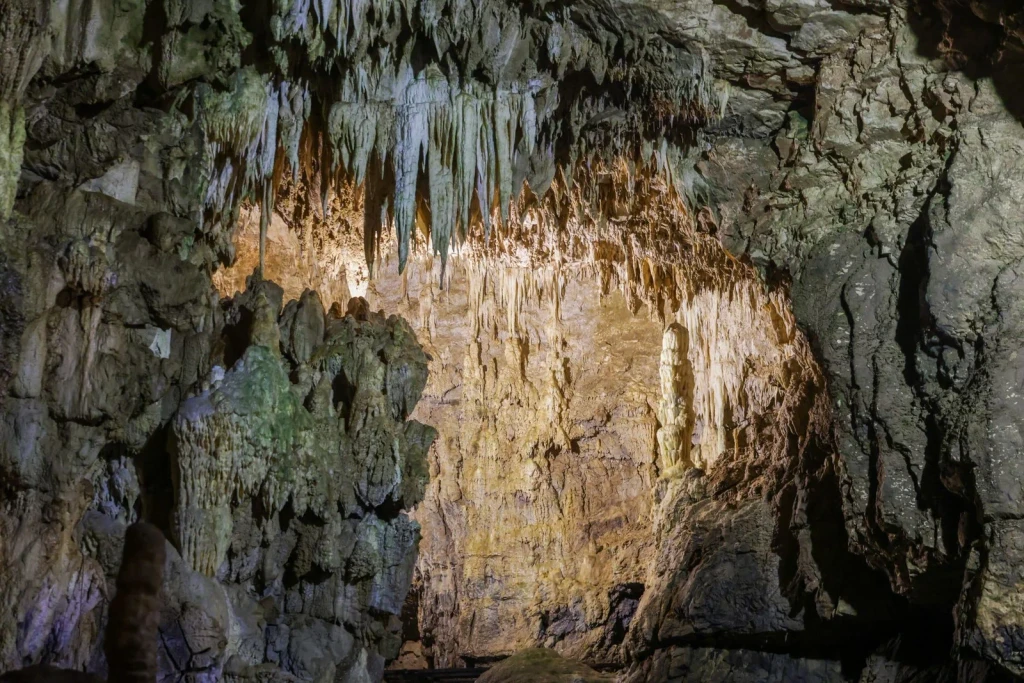
Stalactites and stalagmites emerge from darkness in this mysterious cave. The photograph captures formations built through solitude and geological time.
Photograph by Magda Ehlers, via Pexels.
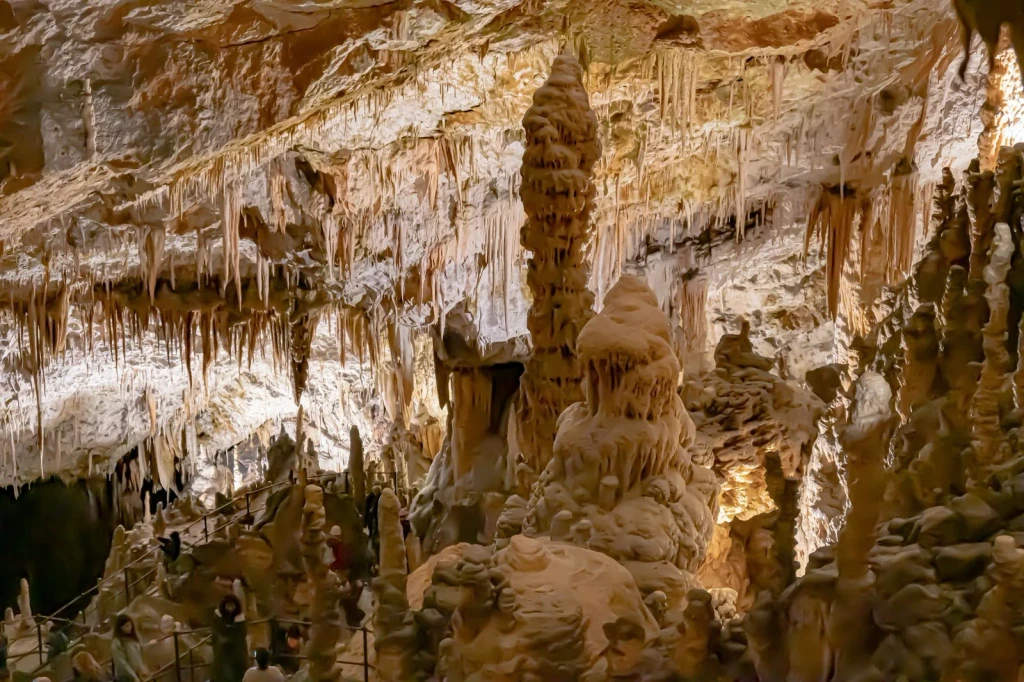
A solitary view into Postojna Cave, Slovenia. The photographer captures the towering mineral formations that define this natural chamber, standing alone to witness their scale.
Photograph by Carlo Giovanni Ghiardelli, via Pexels.
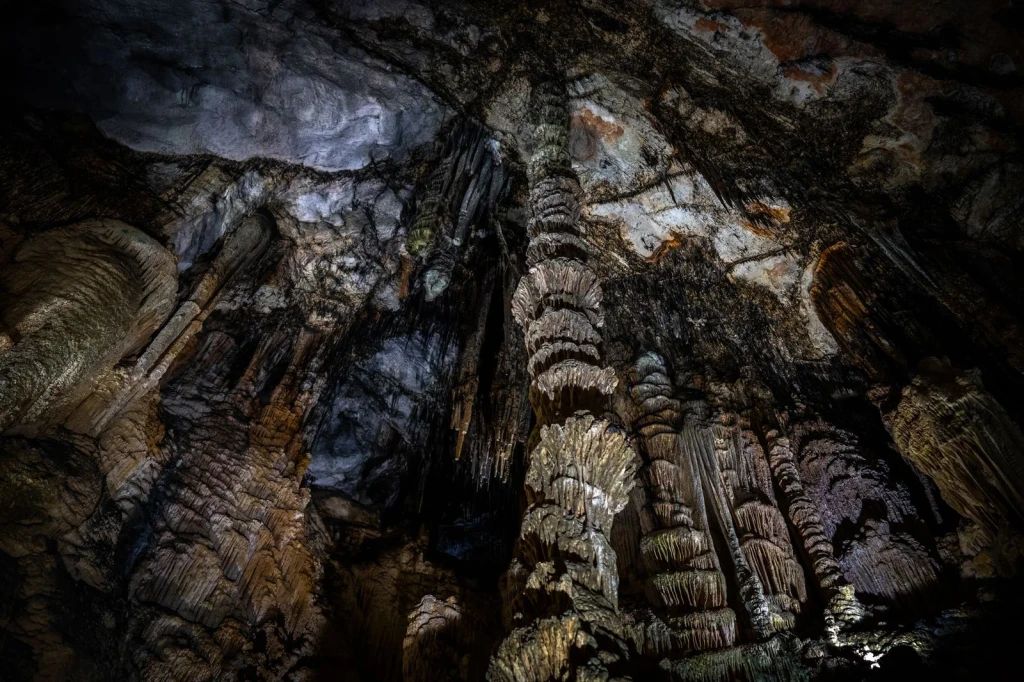
A breathtaking descent into a Spanish cave system. Standing alone among these formations, the photographer captures the drama of stone meeting shadow.
Photograph by Artem Zhukov, via Pexels.
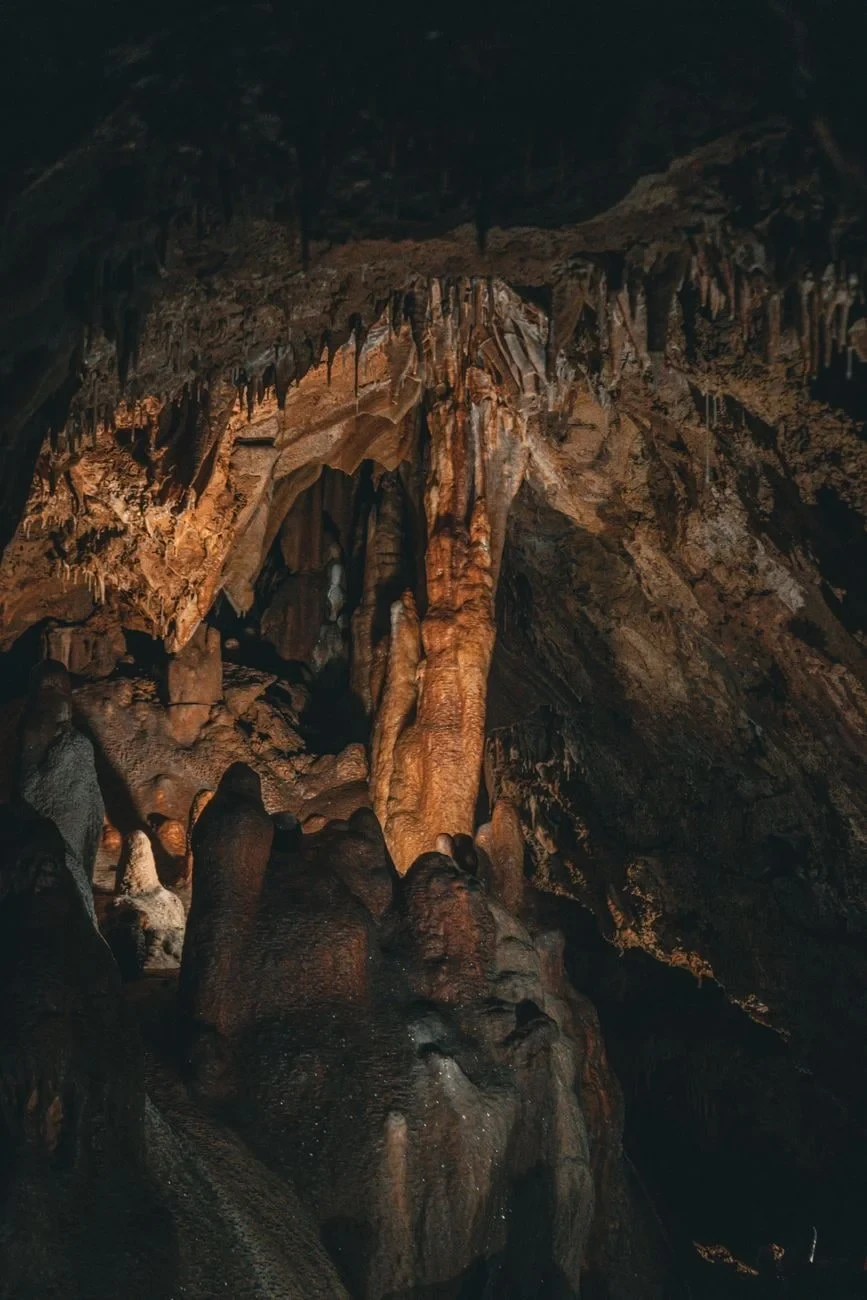
Stalactites and stalagmites form intricate patterns in the dark. These stone structures grow only in isolation, far from the surface.
Photograph by Joel Gundi, via Pexels.
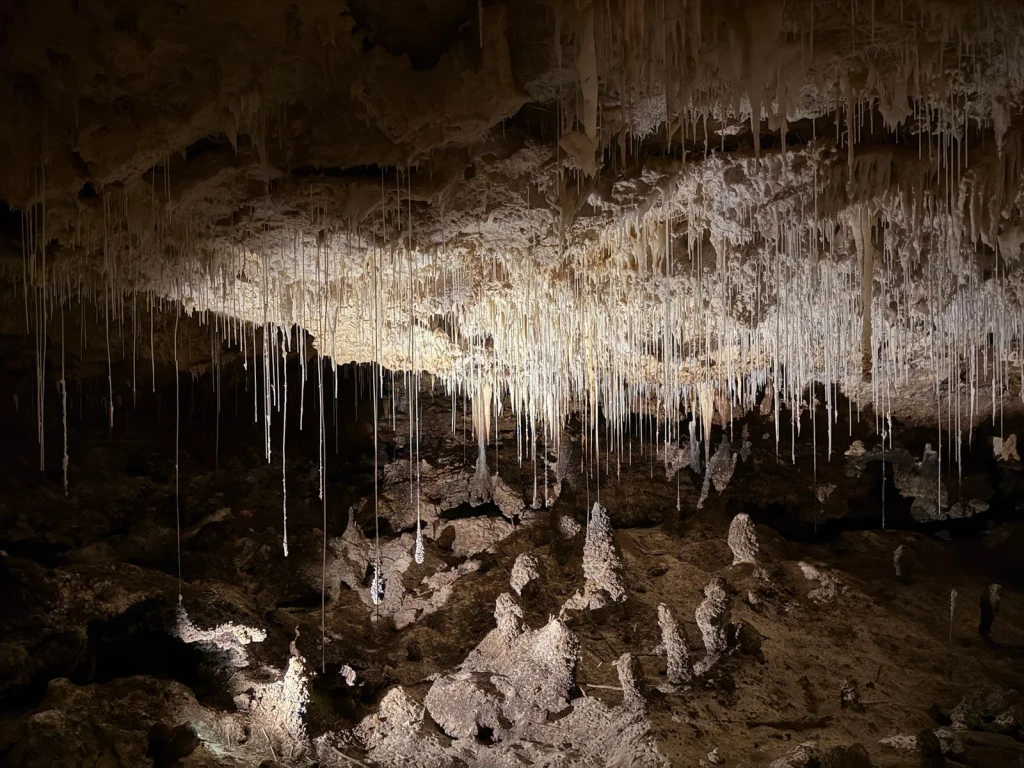
Dramatic light plays across stalactites hanging from above. The photographer alone witnesses how shadow gives these formations their depth and mystery.
Photograph by Akshaya Nandyala, via Pexels.
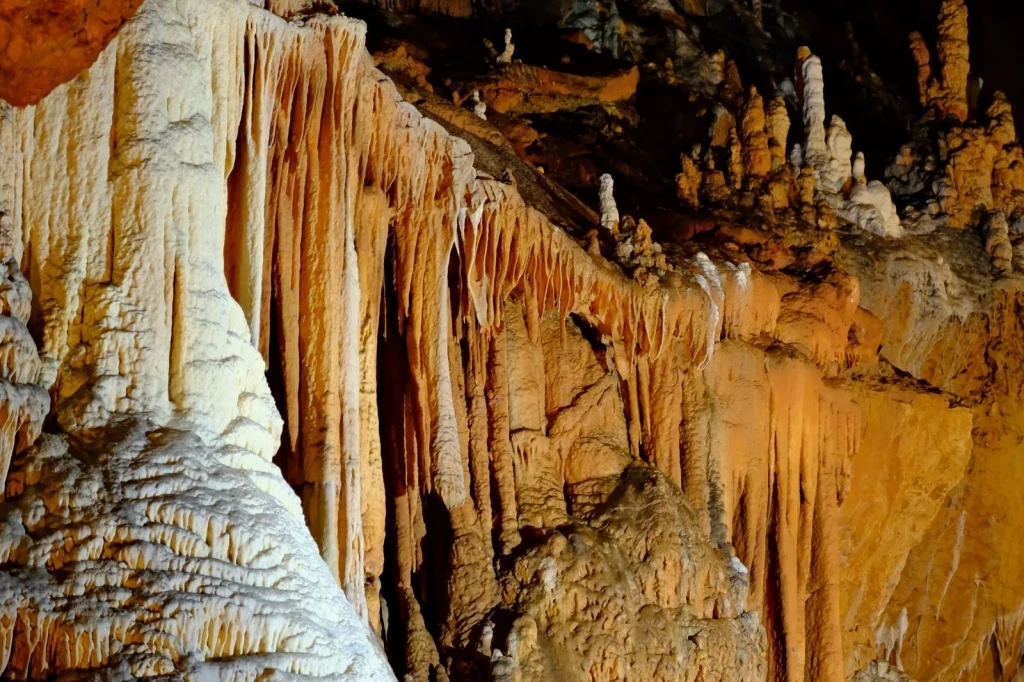
A close study of stalactites and stalagmites. The photograph captures the intricate geometry that caves create alone, without human intervention.
Photograph by Ozan Aldemir, via Pexels.
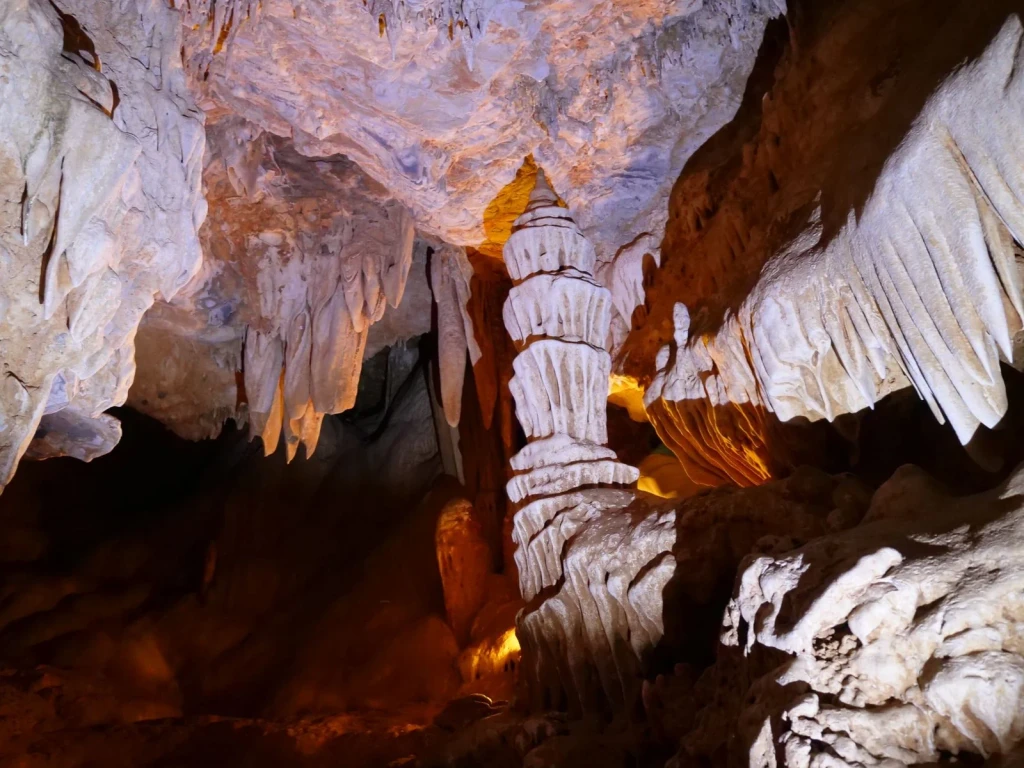
Stalactites and stalagmites create an otherworldly landscape. The photographer explores this cave alone, documenting the strange beauty of stone shaped by time and water.
Photograph by Bruno Storchi Bergmann, via Pexels.
