3D Gallery
Pearls: The Gem an Animal Makes
Enter gallery
Pearls: The Gem an Animal Makes is a 3D virtual gallery on MyGallery3D, a walkable online exhibition of 12 works. Step inside and explore it in your browser: no app, no headset.
Step inside a 3D virtual gallery of pearls, walk it in your browser, and consider that every one of them began as an injury.
A pearl is a wound that went well. Something pierces the mollusk's mantle, a parasite or damage to the shell's fragile rim, and the animal seals the intruder in layer after layer of nacre. None of it came cheaply. To find one wild pearl, hundreds of oysters had to be gathered and killed, and more than a ton was searched for three or four good ones. Today over 99% of pearls sold are cultured.
Nacre is brickwork. Hexagonal tablets of aragonite, 10 to 20 micrometres wide and half a micrometre thick, are stacked in parallel sheets and mortared with elastic biopolymers. Each tablet is about as thick as a wavelength of visible light, which is why the surface throws colour. The same structure deflects cracks rather than letting them run, leaving the material almost as strong as silicon.
Kokichi Mikimoto, the son of an udon shop owner, left school at 13 and sold vegetables. On 11 July 1893, after near bankruptcy, he produced a hemispherical cultured pearl by seeding an oyster with mother of pearl. Round ones took another 12 years. By 1935 Japan had 350 pearl farms making 10 million cultured pearls a year. Thomas Edison thought it was supposed to be biologically impossible.
Free divers went down over 100 feet on a single breath, at risk of blackout, drowning and sharks. In the Caribbean, Spaniards forced indigenous people, and later Africans, to dive. On Cubagua the divers were marked with a hot iron on the face and arms, and chained at night to prevent escape. A royal decree of 1558 ordered that only Africans be used.
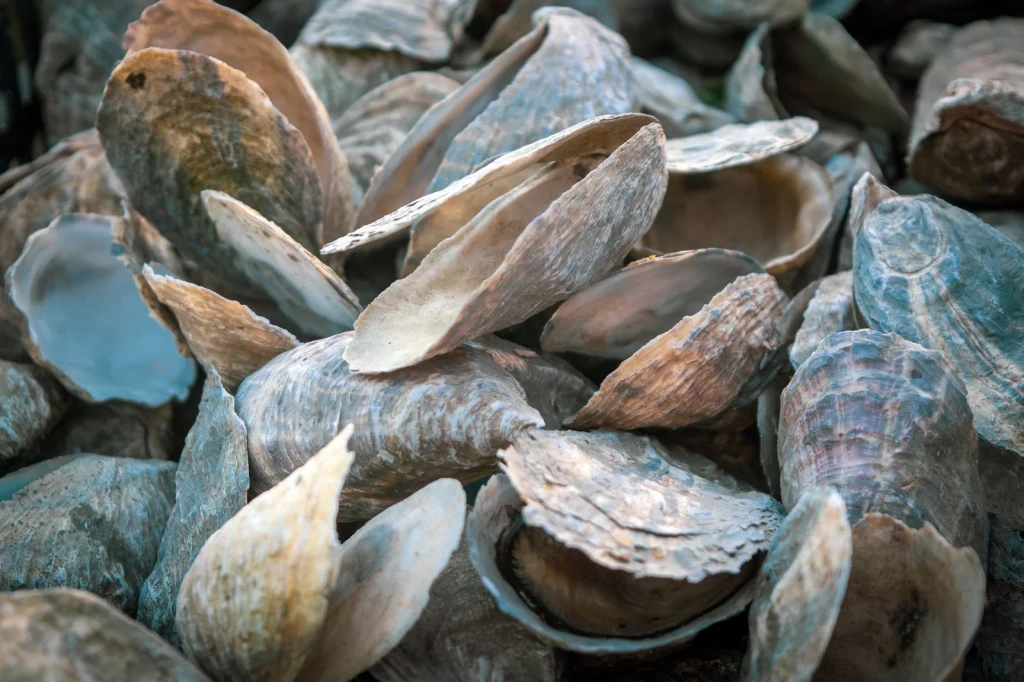
A collection of spent oyster shells in a coastal setting. What remains after the pearl is harvested has its own quiet beauty.
Photograph by Thomas Parker, via Pexels.
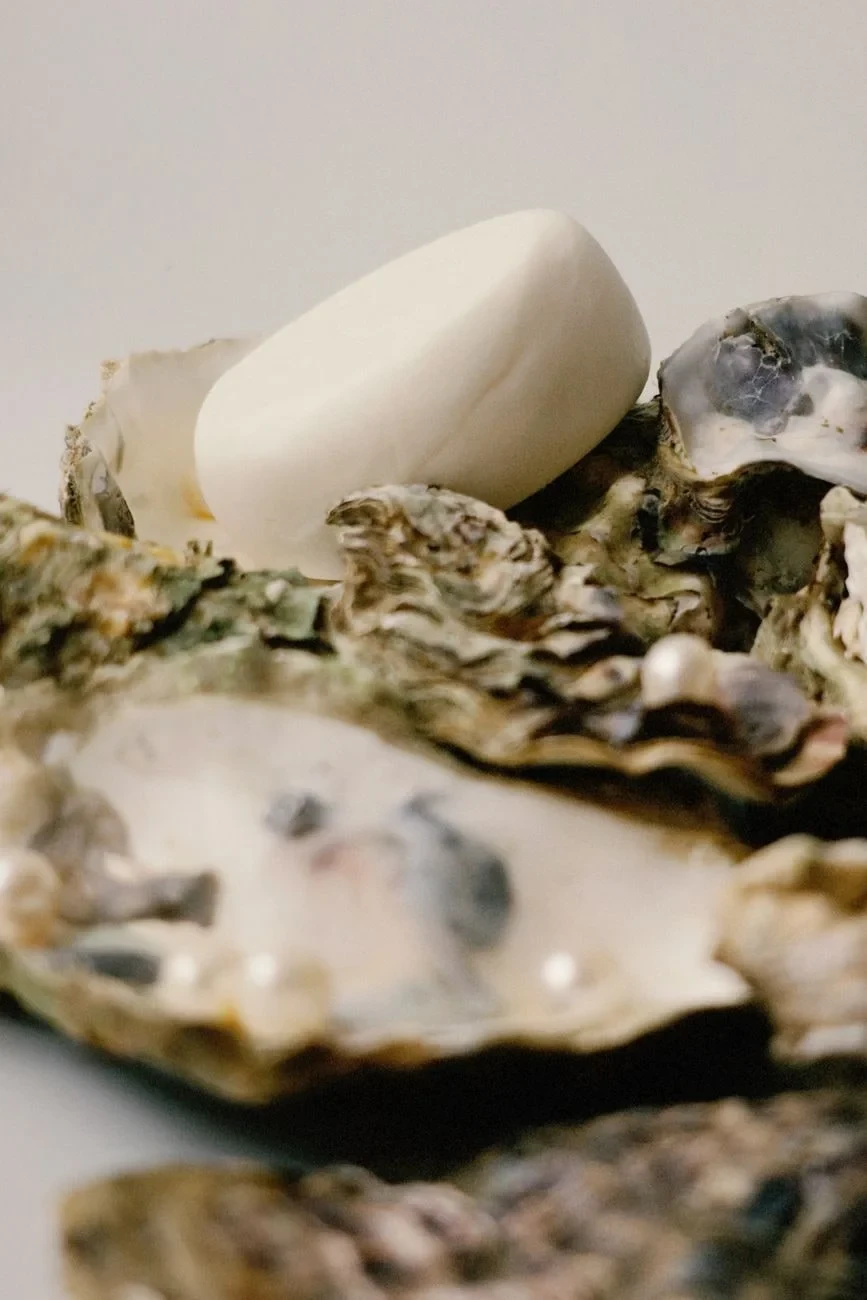
Pearls and soap are arranged together on shells for a spa aesthetic. Both items suggest refinement born from natural processes.
Photograph by Nastia Ligrain, via Pexels.
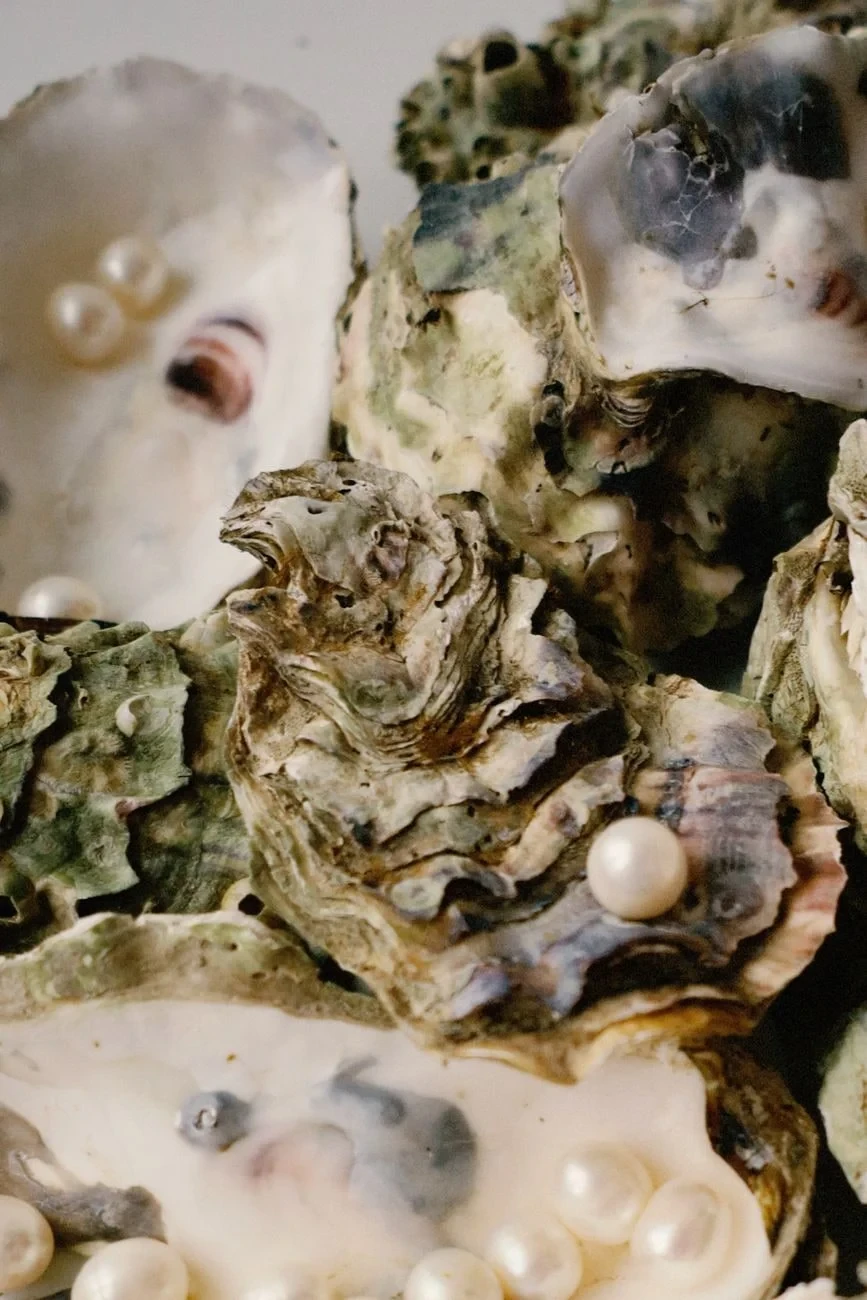
An elegant close-up revealing the lustrous pearls nestled within oyster shells. A direct study of the gem an animal creates.
Photograph by Nastia Ligrain, via Pexels.
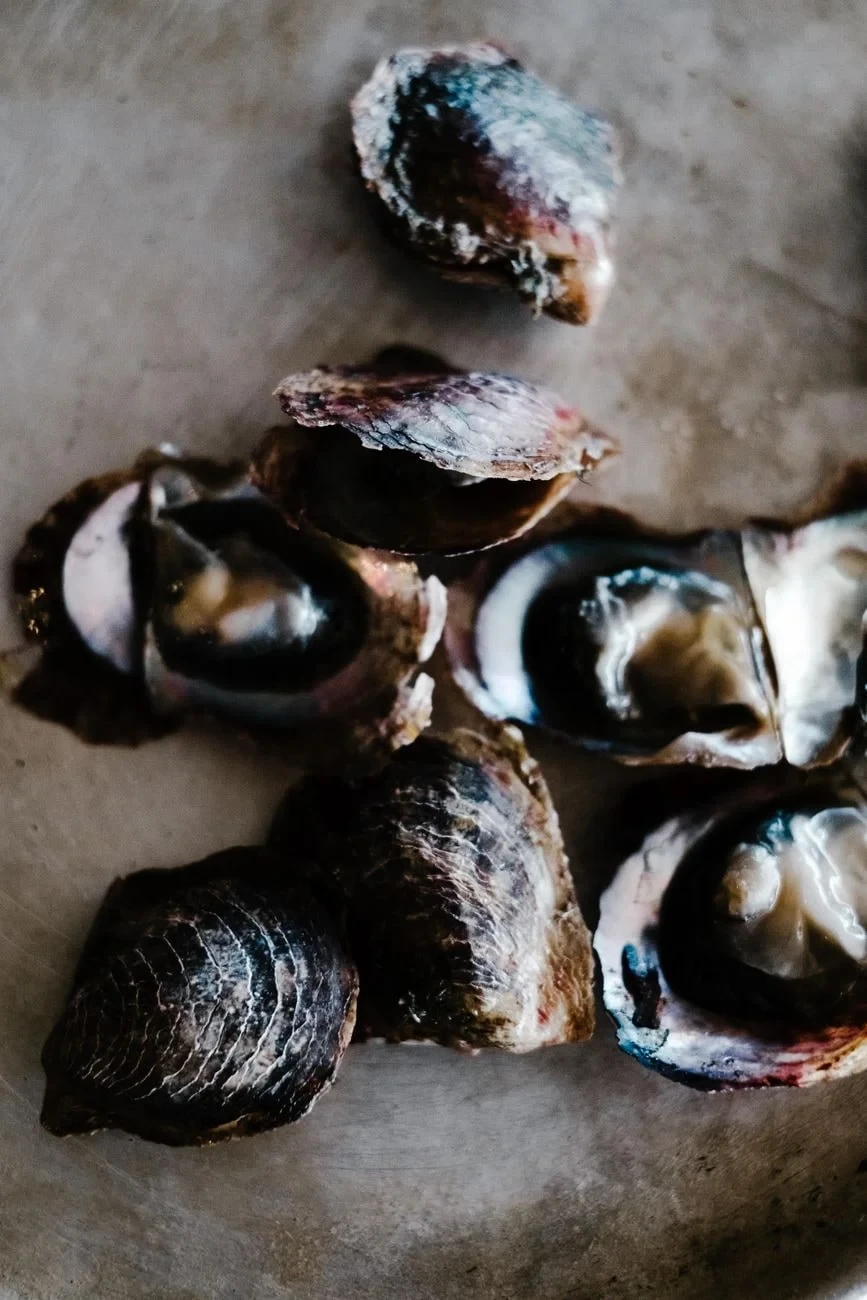
Rustic shells and meat are lit from above. The image shows what the oyster is before and beyond the pearl it makes.
Photograph by Rachel Claire, via Pexels.
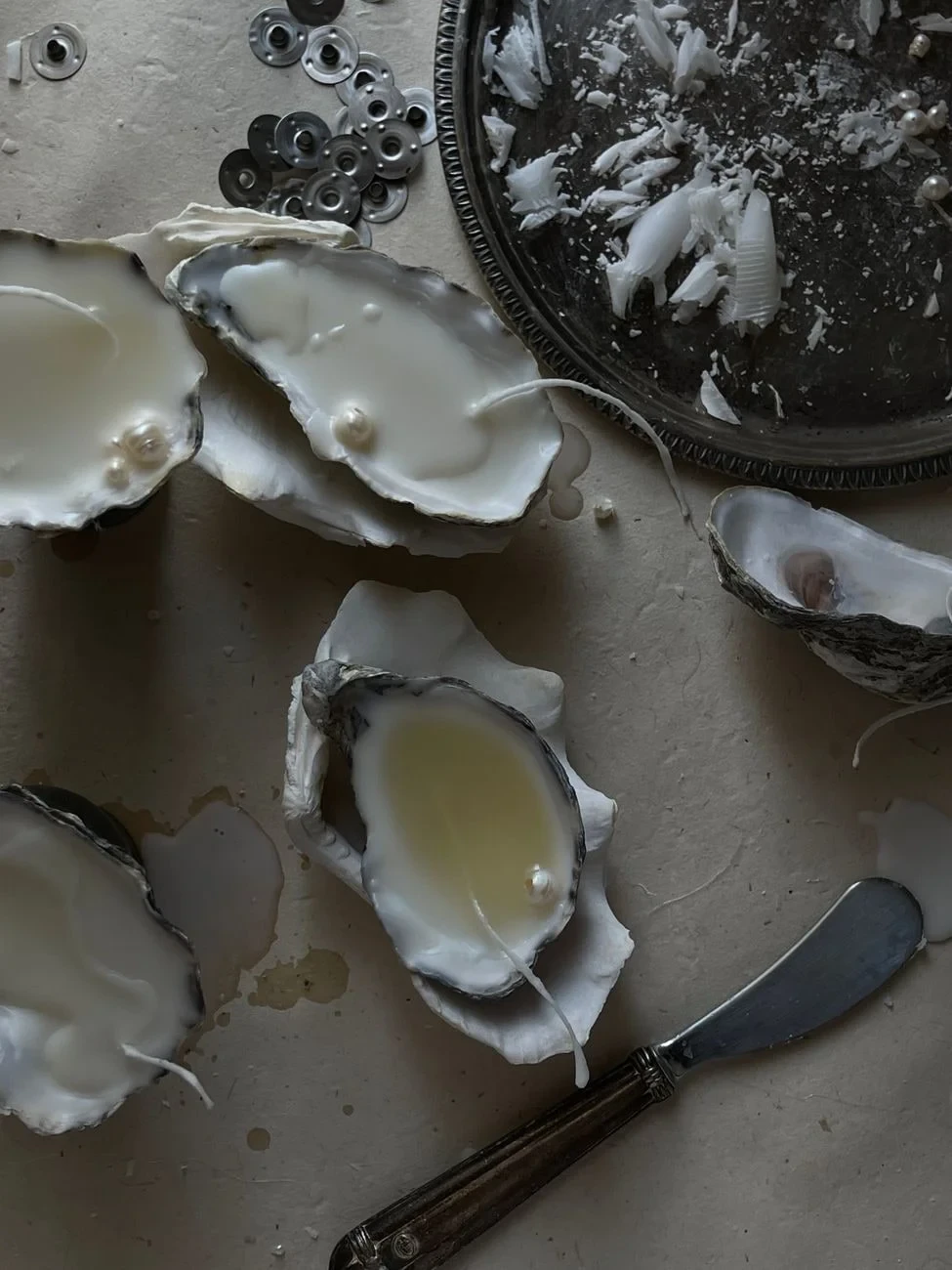
A high-angle view of oysters with pearls arranged on a table. The composition emphasizes these gems as the animals' remarkable creation.
Photograph by Eugenia Remark, via Pexels.
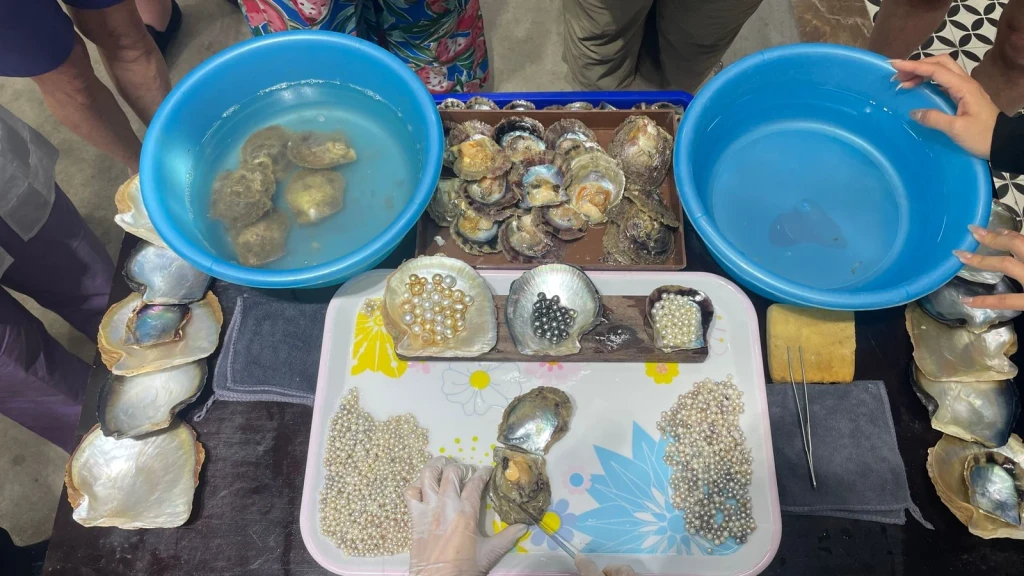
Oysters, pearls, and sorting trays are shown together in close detail. This documents the moment when an animal's creation becomes a human commodity.
Photograph by Clifford Coulter, via Pexels.
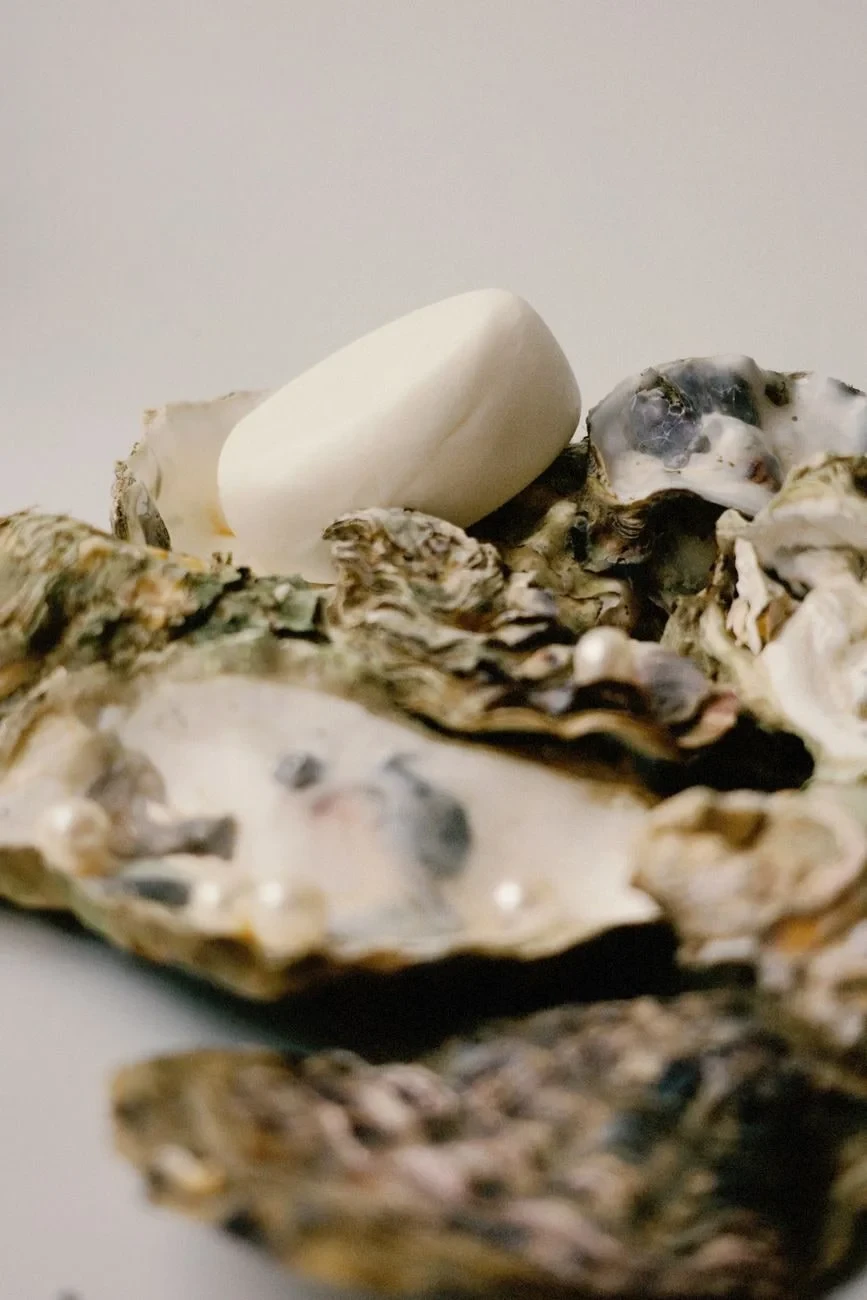
A bar of soap rests on opened oyster shells. The image pairs two clean things, suggesting the pearl's connection to luxury and care.
Photograph by Nastia Ligrain, via Pexels.
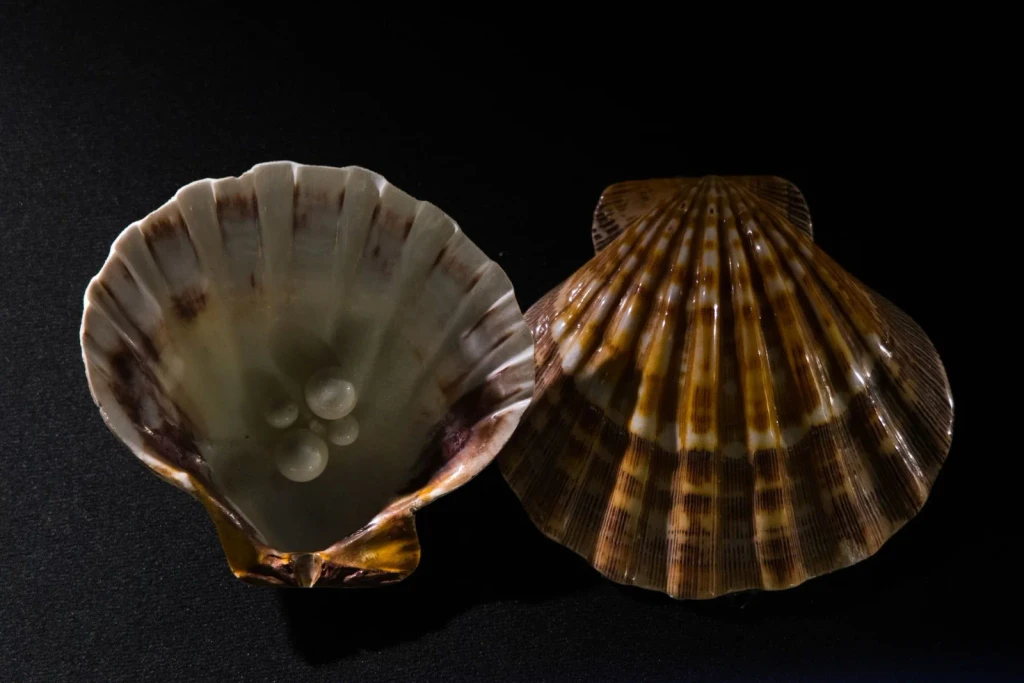
Elegant seashells displaying lustrous pearls set against a dark background. The contrast highlights the gem's natural radiance.
Photograph by Engin Akyurt, via Pexels.
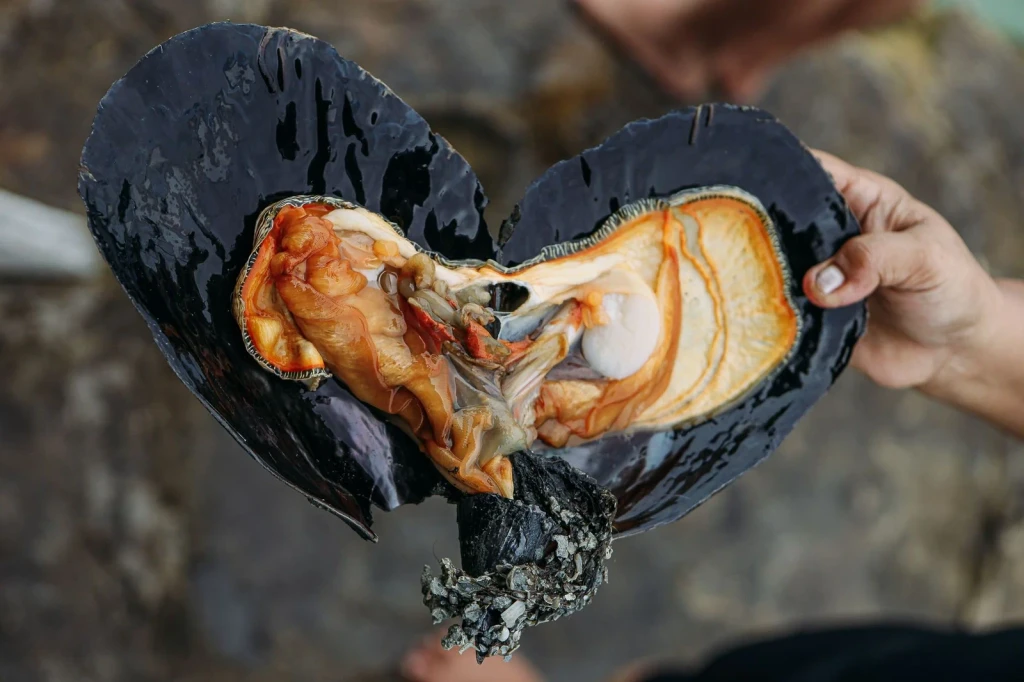
A close-up of a freshly opened black clam held outdoors. The photograph shows the mollusk's interior in natural light.
Photograph by Denniz Futalan, via Pexels.
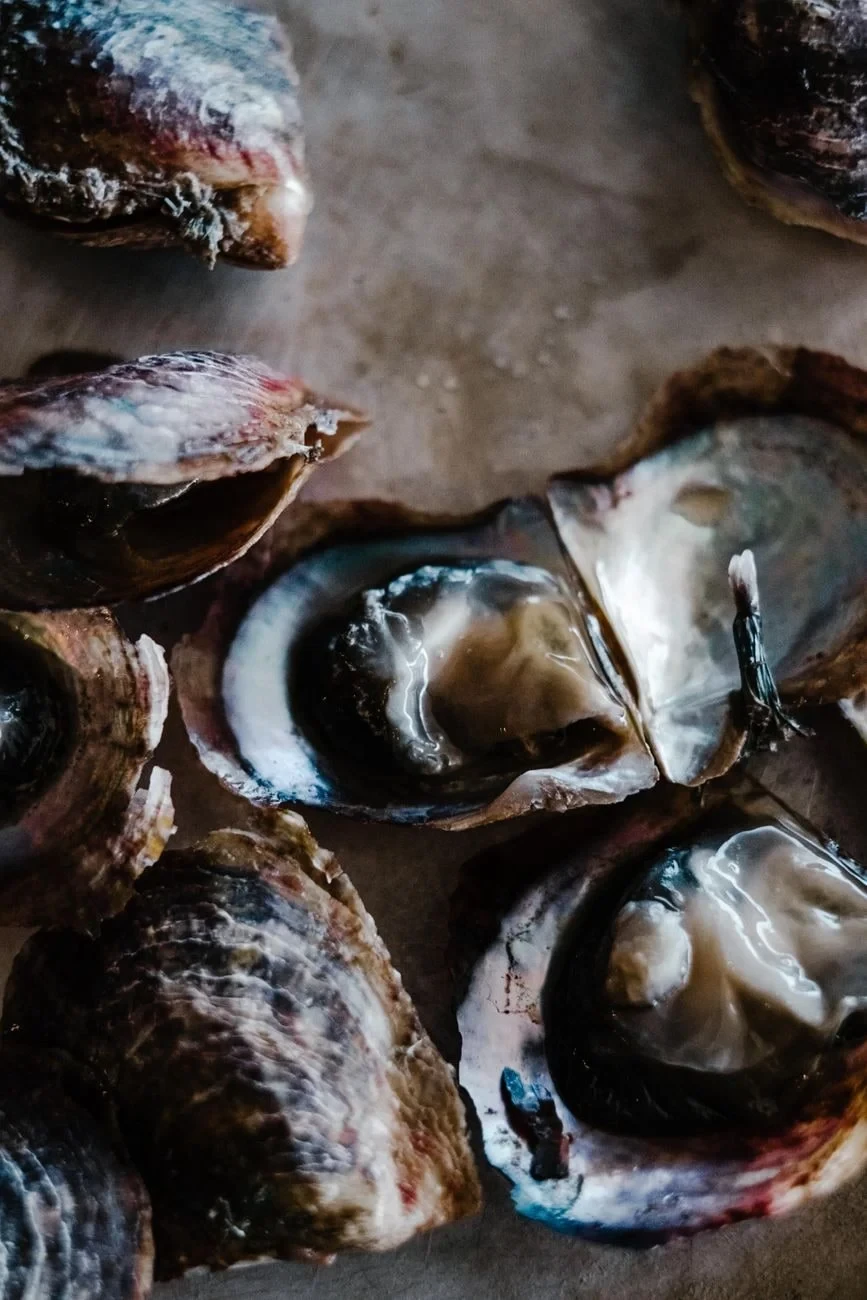
Newly opened oysters sit on a rustic surface. The image shows the animal and its textured home before transformation into something precious.
Photograph by Rachel Claire, via Pexels.
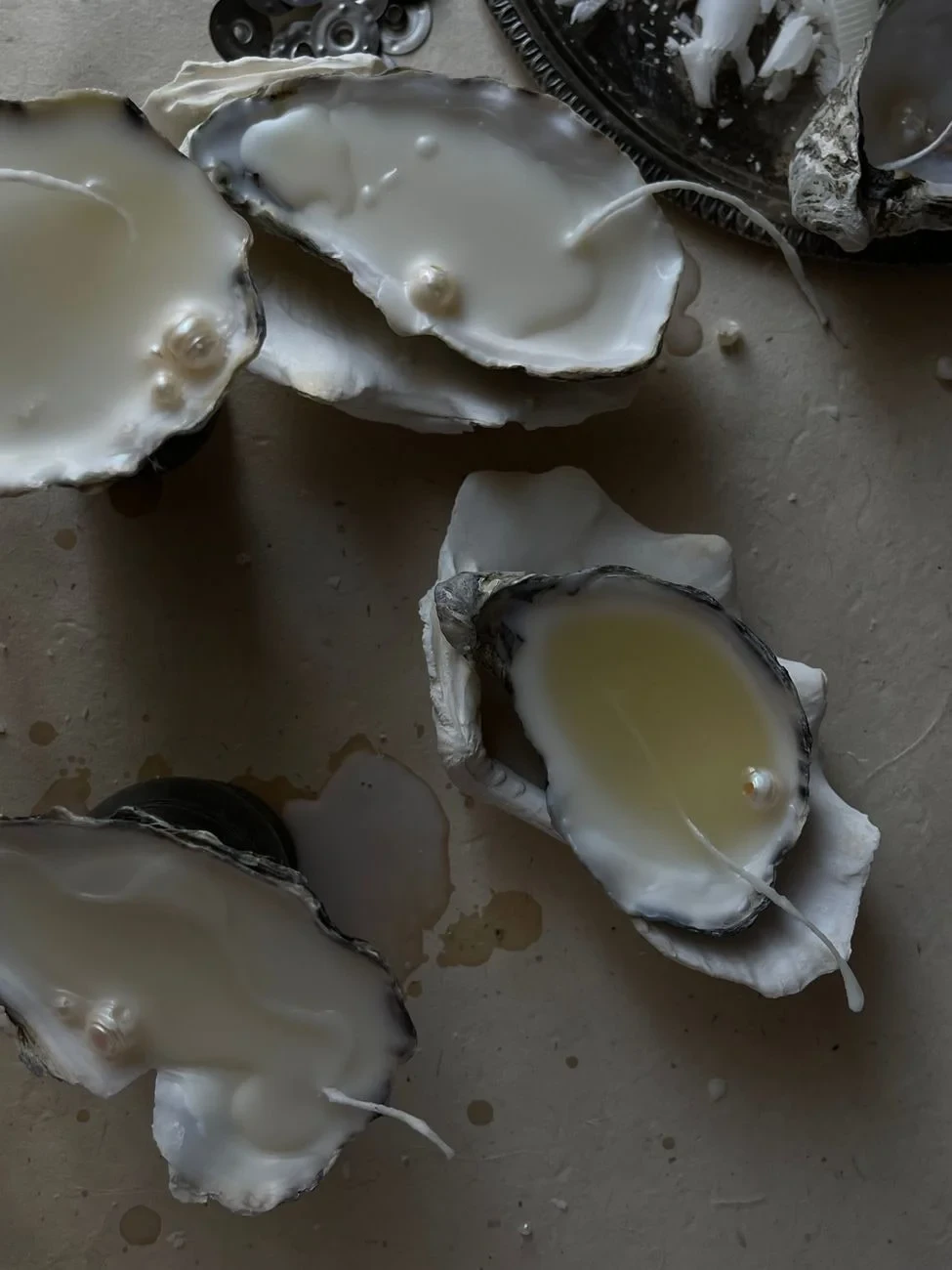
An artistic composition of opened oysters revealing their pearls. The image emphasizes texture and contrast between shell and gem.
Photograph by Eugenia Remark, via Pexels.
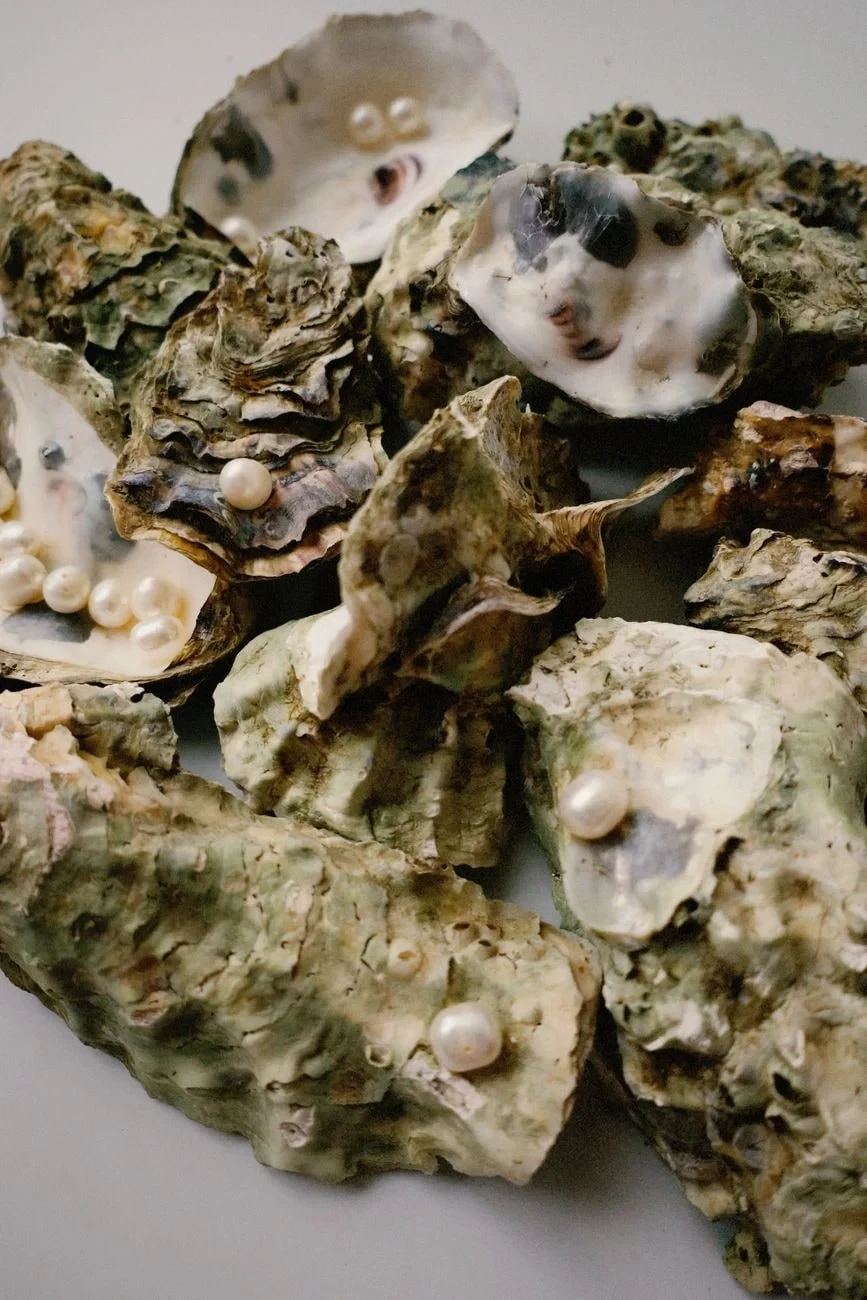
A detailed view of oyster shells containing lustrous pearls. The photograph documents the natural treasure produced by these mollusks.
Photograph by Nastia Ligrain, via Pexels.
