Type "is the metaverse dead" into Google in 2026 and you will not find a debate, you will find a funeral. Meta shut down Horizon Worlds, its flagship virtual-reality social platform, in June 2026, and Reality Labs closed 2025 with an operating loss of roughly $19.2 billion on just $2.2 billion in sales. And yet, walk through the actual data on immersive art sales and a different story emerges: people are buying more art online than ever, and they increasingly want to "walk through" it before they click buy. The confusion comes from lumping two very different technologies under one exhausted word. This piece separates them, with real numbers, so you know where to actually put your time in 2026.
Is the Metaverse Dead? What the 2026 Numbers Actually Say
The headset-and-avatar version of the metaverse that Meta bet the company on in 2021 is, commercially, in serious trouble. Reality Labs closed 2025 with a loss of approximately $19.2 billion and sales of only $2.2 billion, far below what was promised to investors five years ago. Zoom out further and the picture gets starker: Meta has lost more than $70 billion on the metaverse bet since 2021, and in mid-2026 the company shut down Horizon Worlds, the consumer-facing virtual world that was supposed to be the metaverse's front door, according to reporting from Live Science.
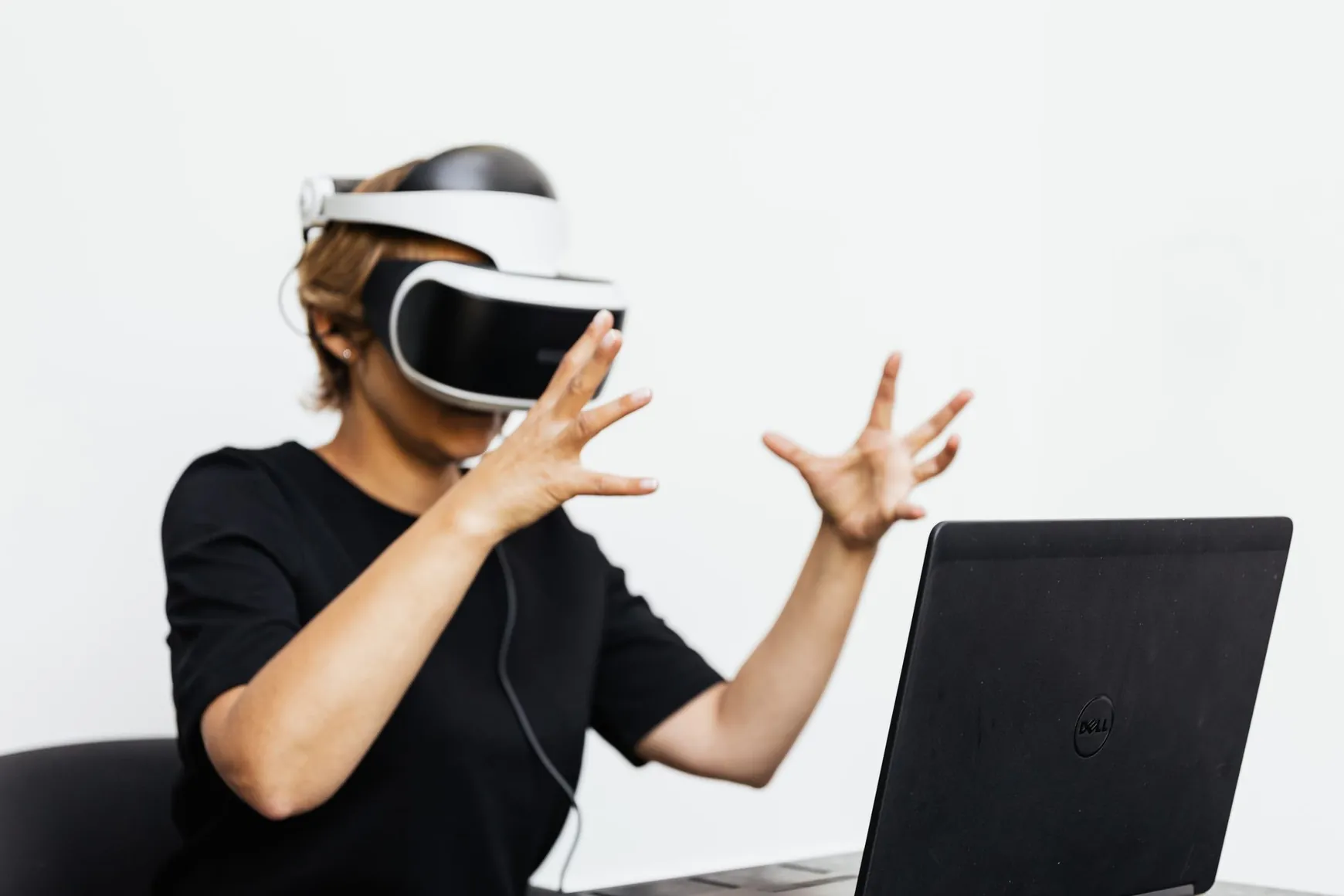
The hardware tells the same story. Dedicated VR headset shipments actually declined in 2025 even as the broader "extended reality" category grew, because that growth came almost entirely from smart glasses, not headsets, per market data compiled by SQ Magazine. Only about 13% of U.S. households own a VR headset at all. Meta still controls most of the XR hardware market, but even its own Quest shipments have been falling. In short: the vision of millions of shoppers strapping on headsets to browse a virtual mall never showed up.
What's Actually Working: Browser-Based 3D With a Link
Here is the part the "metaverse is dead" headlines miss: immersive 3D content itself is not dying, it is just moving to where people already are, inside a normal web browser. WebXR, the technology that lets 3D and VR-style experiences run directly on a web page, saw adoption jump roughly 40% in 2026, precisely because it removes the friction that killed headset-based platforms, no app store, no account creation, no install, according to VR.org's coverage of the trend. You click a link, and you are inside the experience.
That friction matters more than most people realize. Research on immersive engagement shows that requiring an app download can cut engagement by 50 to 70% compared to a direct browser-based experience. Every extra step, download, install, permissions, tutorial. loses another slice of your audience before they ever see the thing you built. A single shareable link skips all of that.
The technical groundwork caught up too. In early 2026, WebGPU, the modern graphics standard that makes rich 3D run smoothly in a browser, became the stable default across every major browser, from Chrome and Edge to Safari, ending the 15-year run of the older, slower WebGL standard as reported by VR.org. Translation: the browser can now render a genuinely walkable 3D space, on a phone or a laptop, without anyone touching a headset.
Why the Link Beats the Headset
Think about the actual buyer journey. A VR platform asks a visitor to own a $300–500 headset, install an app, create an account, and load a tutorial before they see a single artwork. A browser-based 3D gallery asks for one click on a link already sitting in an Instagram bio, an email newsletter, or a text message. For a shop or an independent artist trying to convert casual scrollers into buyers, that difference is the entire game.
Immersive Art Sales Trends: Where the Money Is Really Going
Buyer behavior backs this up. Online art sales reached roughly $12 billion globally in 2025, and curators are prioritizing digital-first exhibitions as a result. On the collector side, 59% purchased art online in 2024, and among them 73% bought as much or more digitally compared with the year before, according to Artsy data cited in recent art-market reporting. Galleries have noticed: 43% say they plan to focus more on online sales, and 55% are creating more online content to meet that demand.
None of that growth required a metaverse account or a headset. It required galleries and shops to make their online presence feel less like a flat product grid and more like a place worth spending time in, which is exactly the gap a browser-based 3D gallery fills.

3D Web Gallery vs VR: A Practical Comparison
- Cost of entry: A browser-based 3D gallery needs nothing from the visitor. A VR platform needs a headset most people don't own.
- Shareability: A gallery link travels anywhere, DMs, email, a Linktree, a QR code on a market stall. A VR world lives inside its own app ecosystem.
- Setup time for the creator: Turning existing photos into a 3D web gallery can take minutes. Building a true VR world is a production project.
- Best use case for VR/headsets: Flagship brand activations, trade-show booths, high-budget experiential marketing where the headset itself is part of the spectacle.
- Best use case for browser-based 3D: Everyday storefronts, portfolios, and pop-up exhibitions that need to reach a wide, mixed-device audience right now.
Neither format is objectively "wrong." But for most independent sellers and artists, the browser-based path removes almost all of the friction for a fraction of the cost — which is exactly why it is the format actually showing up in the sales and adoption data above, not the headset-first vision that dominated headlines in 2021–2023.
The Practical Middle Ground for Artists and Shops in 2026
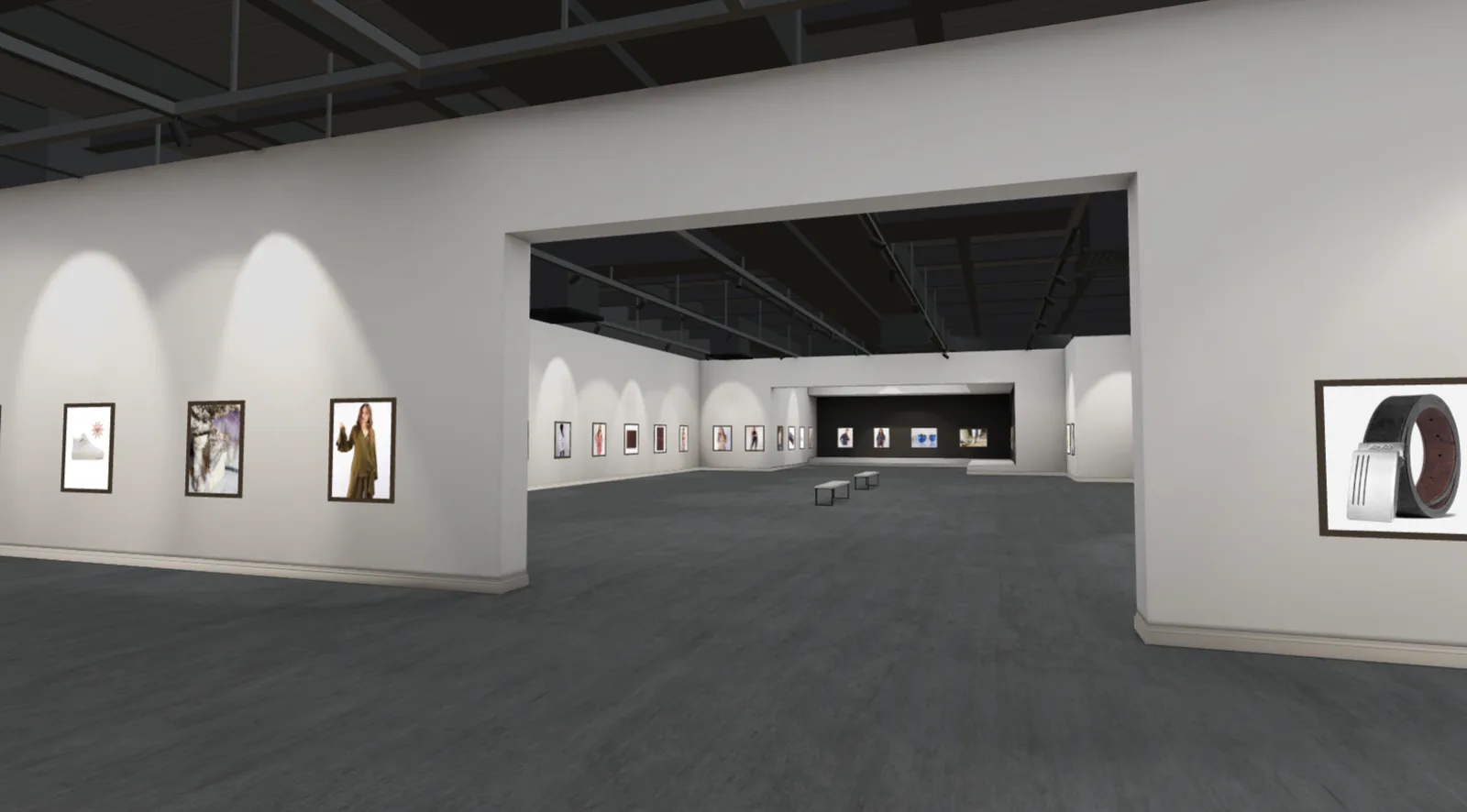
This is the space MyGallery3D was built for: not a heavy metaverse platform, not a static product page, but a walkable 3D gallery generated automatically from what you already have — an online store, a portfolio, or a folder of uploaded images, and shared with a single link, no headset required.
A painter who has been posting flat photos to Instagram can turn that same body of work into a room visitors actually walk through. An Etsy or Shopify shop selling ceramics or prints can let a browsing customer feel the scale and spacing of a piece instead of guessing from a thumbnail. Building the gallery itself is free, and you only pay when you decide to make it public, going live is the one paid step, nothing more. Shops that want extra polish can add PRO features later, but it is a bonus, never a requirement to get started.
If the last few years of metaverse headlines taught the market anything, it's that people don't want a new universe to log into, they want the art or the product they were already interested in to feel a little more real, without extra steps. Build your free 3D gallery and see the difference a single link can make.
FAQ
Is the metaverse really dead in 2026?
The headset-first, persistent-virtual-world version of the metaverse that Meta promoted from 2021 onward is in serious commercial trouble: Reality Labs posted a roughly $19.2 billion loss in 2025 on just $2.2 billion in sales, and Meta shut down Horizon Worlds in June 2026. That doesn't mean immersive technology is dead, it means the heavy, hardware-dependent version of it failed to find an audience, while lighter browser-based 3D has kept growing.
Do I need a VR headset to use a 3D web gallery?
No. Thanks to WebGPU becoming the stable default across all major browsers in 2026, a browser-based 3D gallery runs directly on a phone, tablet, or laptop through a normal web link, no headset, no app install, and no account required.
Can a 3D gallery actually increase sales, not just look nice?
The buyer data suggests yes: 59% of collectors purchased art online in 2024, with 73% of them buying as much or more digitally than the year before, and 43% of galleries are shifting more resources into online sales. A format that lets a browser make a piece feel three-dimensional aligns directly with where those buyers already are.
What's the real difference between a 3D web gallery and a full VR platform?
A 3D web gallery opens instantly from a single shared link in any modern browser and is built for quick, wide sharing. A VR platform requires a headset and often a dedicated app, and is better suited to longer, deeper immersive sessions like flagship brand events rather than everyday product or portfolio browsing.
Sources
- Is the Metaverse Dead? — KMROM, 2026
- Is the metaverse finally dead and buried? — Live Science, 2026
- Virtual Reality Statistics 2026: Market Size, Users and Data — SQ Magazine, 2026
- WebXR Adoption Just Jumped 40% — VR.org, 2026
- WebXR: How Browser-Based Immersive Experiences Are Eliminating the App Download Barrier — MadXR, 2026
- WebGPU Just Hit Baseline in Every Major Browser — VR.org, 2026
- Top 10 Curation Trends Shaping Art Exhibitions in 2025 — Artinfoland Magazine, 2025
- Art Market Trends 2025 — Prominent Painting, 2025